Exhibitions / Solo
Şeytan Tüyü
Halka Sanat Projesi, Moda, Istanbul
13 June – 21 July 2019
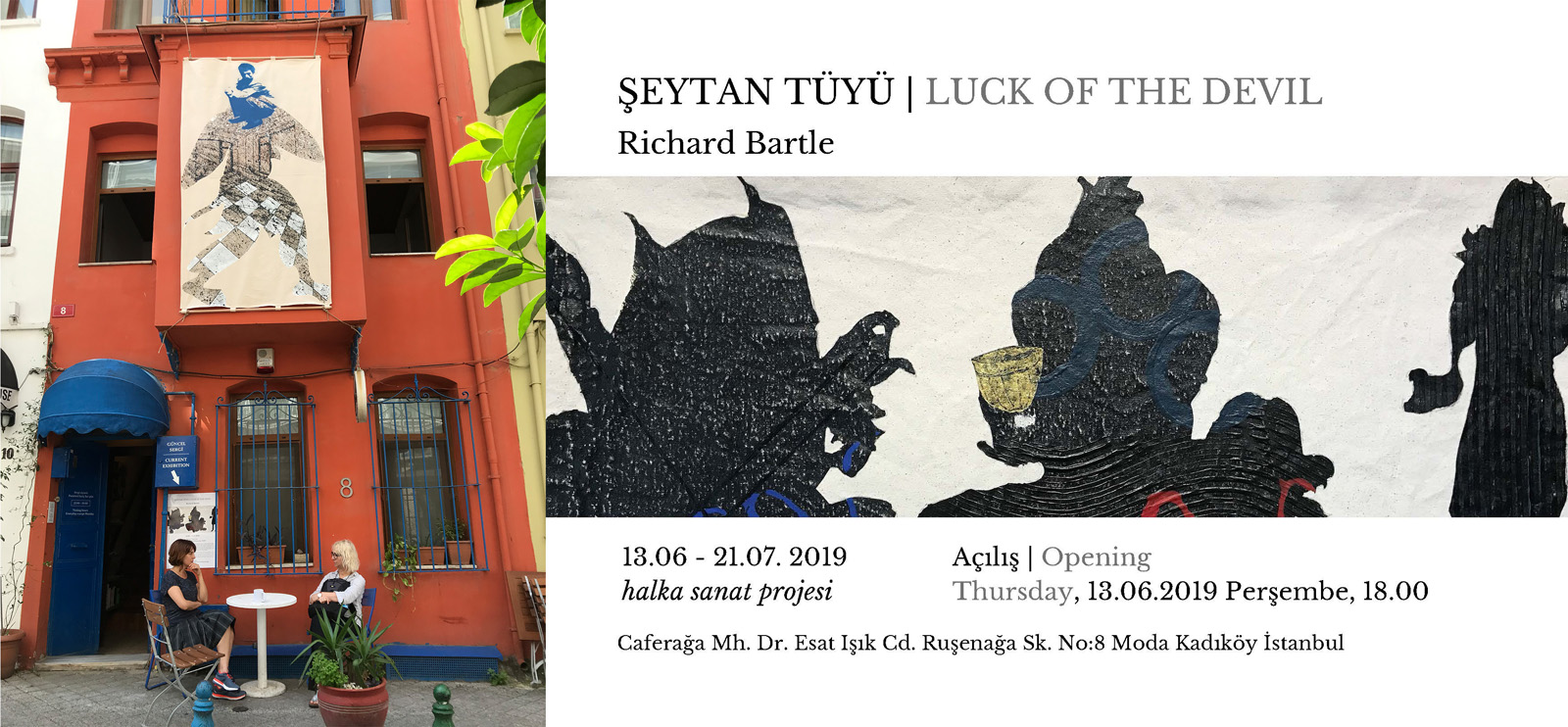
Şeytan Tüyü was the first major body of work to emerge from Richard Bartle’s long engagement with fragments attributed to the fourteenth-century artist and storyteller Mehmet Siyah Kalem.
Bartle first encountered these enigmatic images at the Royal Academy exhibition Turks: A Journey of a Thousand Years, 600–1600 in 2005 and returned to them during a residency in Istanbul in 2008. They became the starting point for an extended exploration of painting, installation and cultural memory.
Developed over more than a decade, the project evolved alongside Bartle’s experience of living and working in Istanbul. Walking through the city and observing its surfaces, he began to use the figures attributed to Siyah Kalem as vessels through which contemporary experience could be explored.
Graffiti, political stencils, architectural details, urban textures and accumulated traces were gathered, layered and reassembled within the forms of demons, travellers and wandering performers.
Although the project began during Bartle’s earlier period in Istanbul, it was during a residency at Halka Sanat Projesi in Kadıköy that many of its ideas finally came together. The residency provided the opportunity to resolve and exhibit the work, culminating in the 2019 exhibition Şeytan Tüyü.
Working between past and present, the paintings allowed contemporary Istanbul to inhabit historical images, creating a dialogue between cultural memory, personal experience and the constantly changing surface of the city.
Installation Views
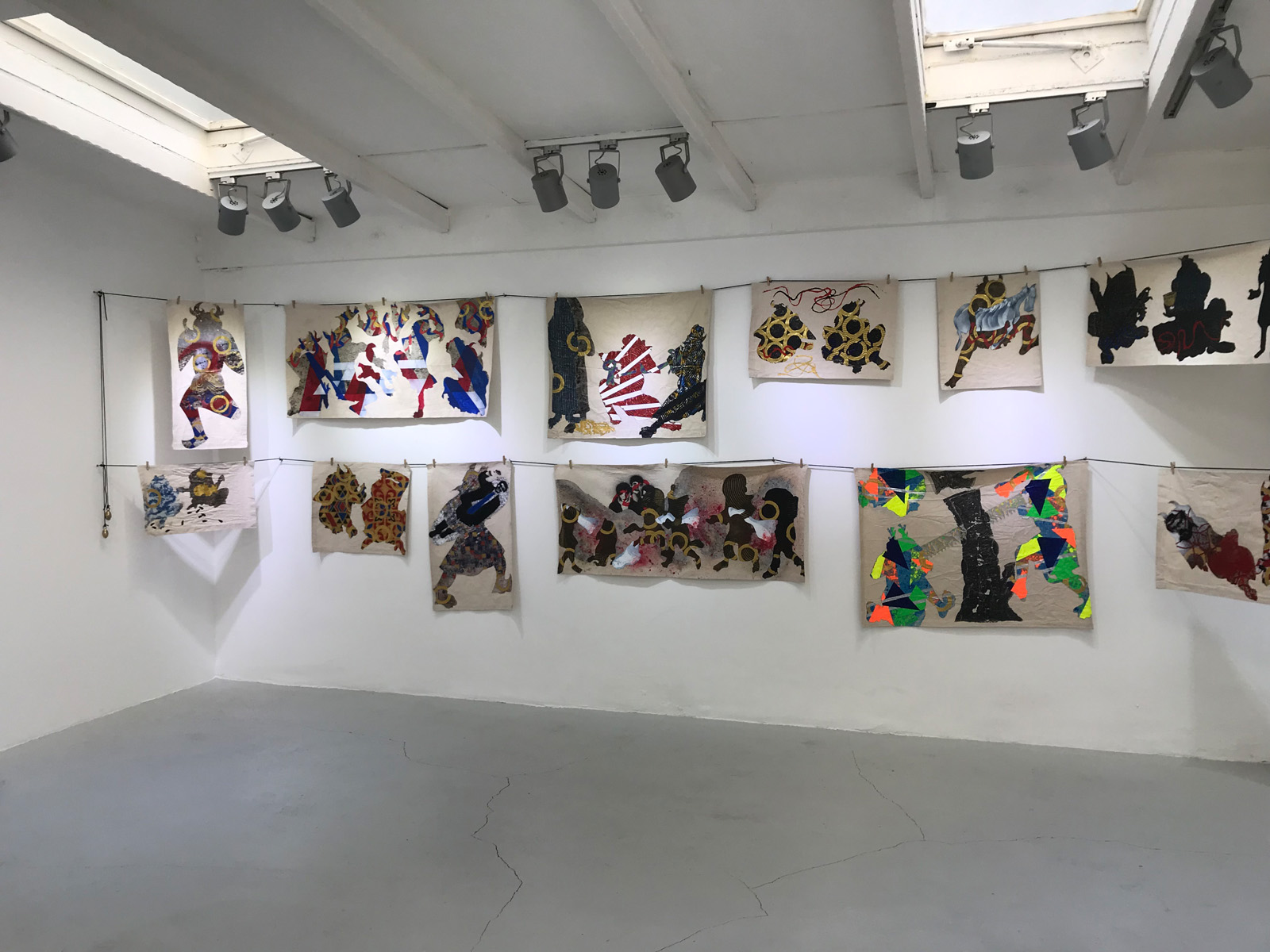
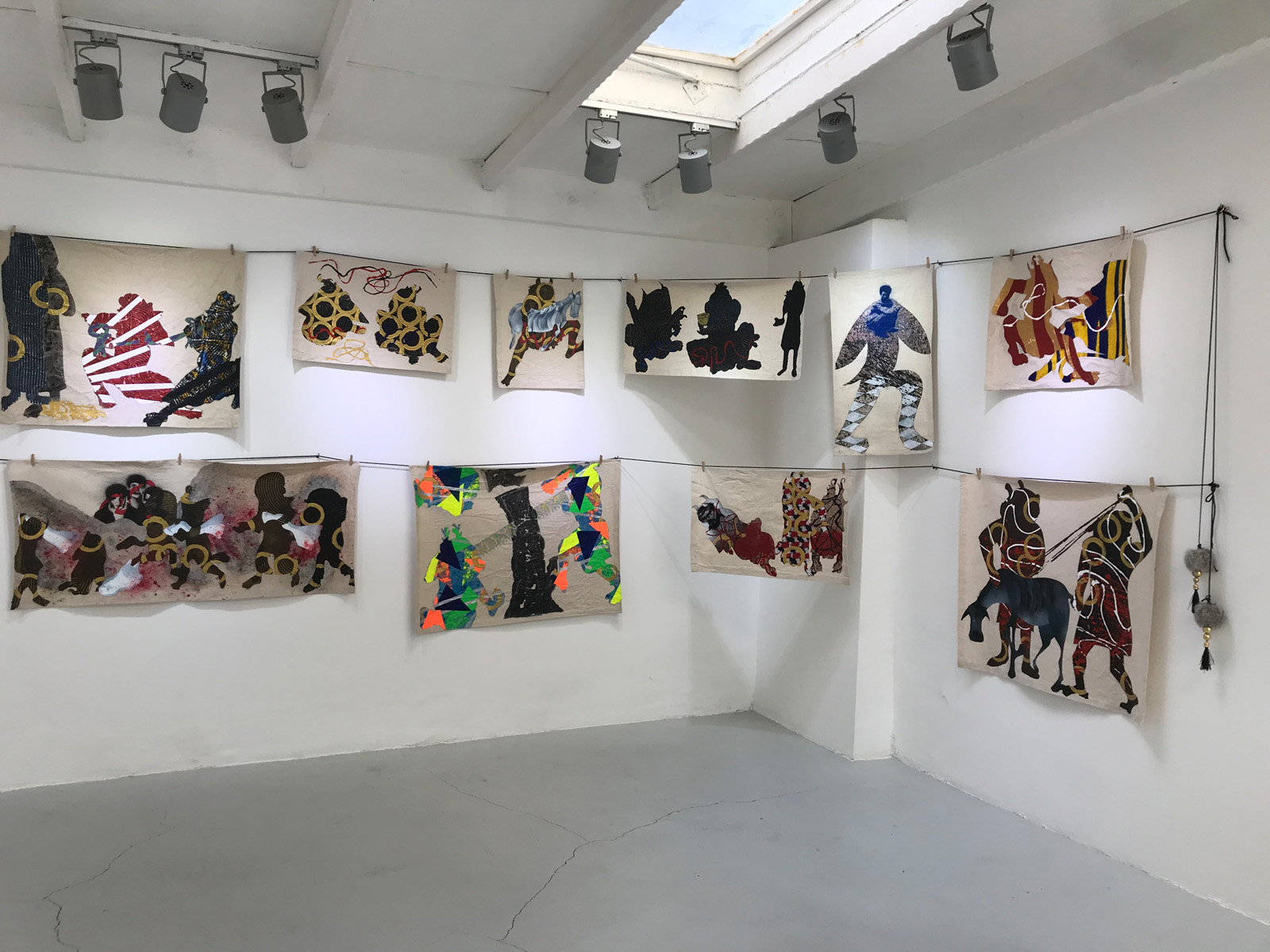
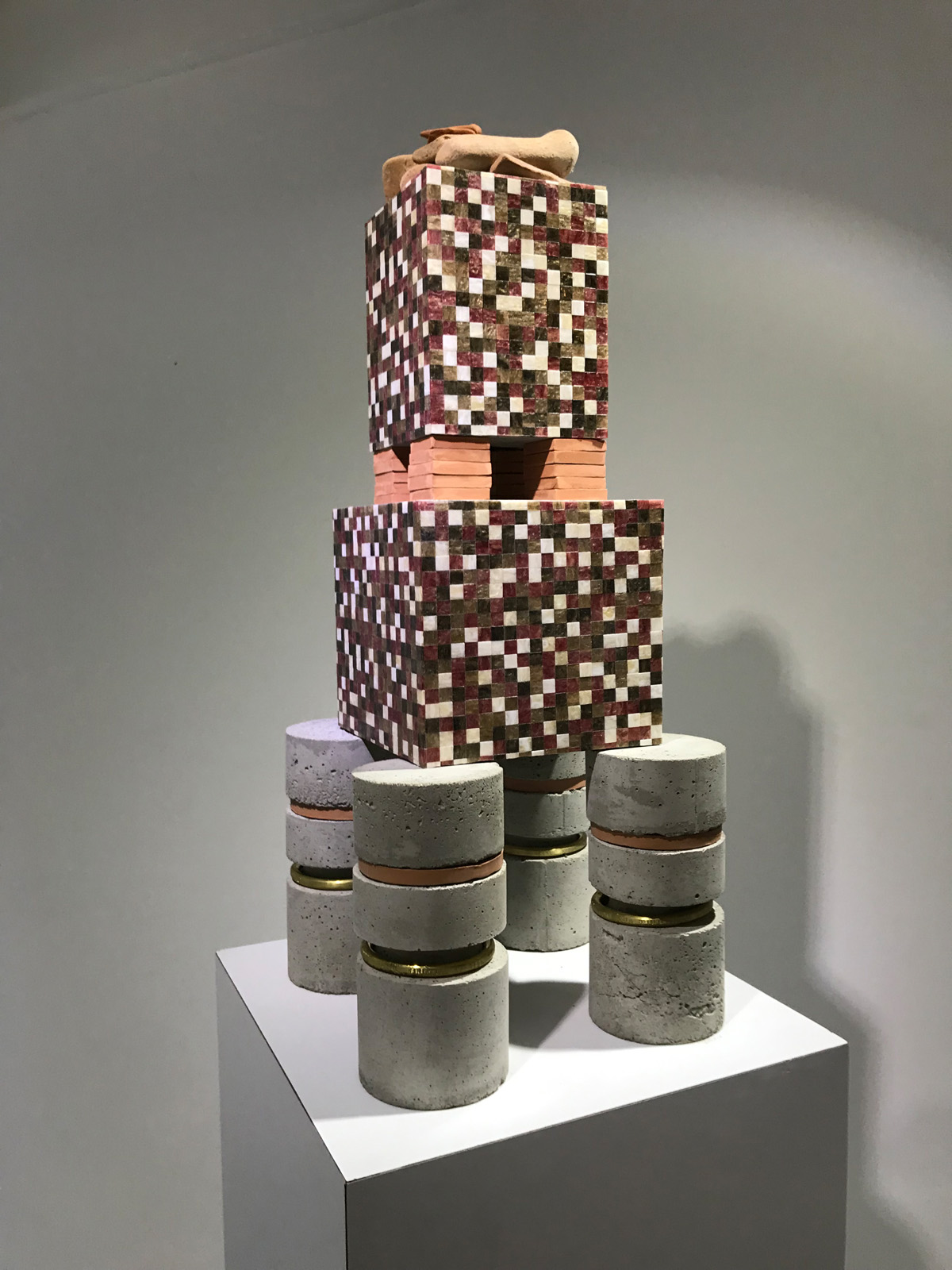
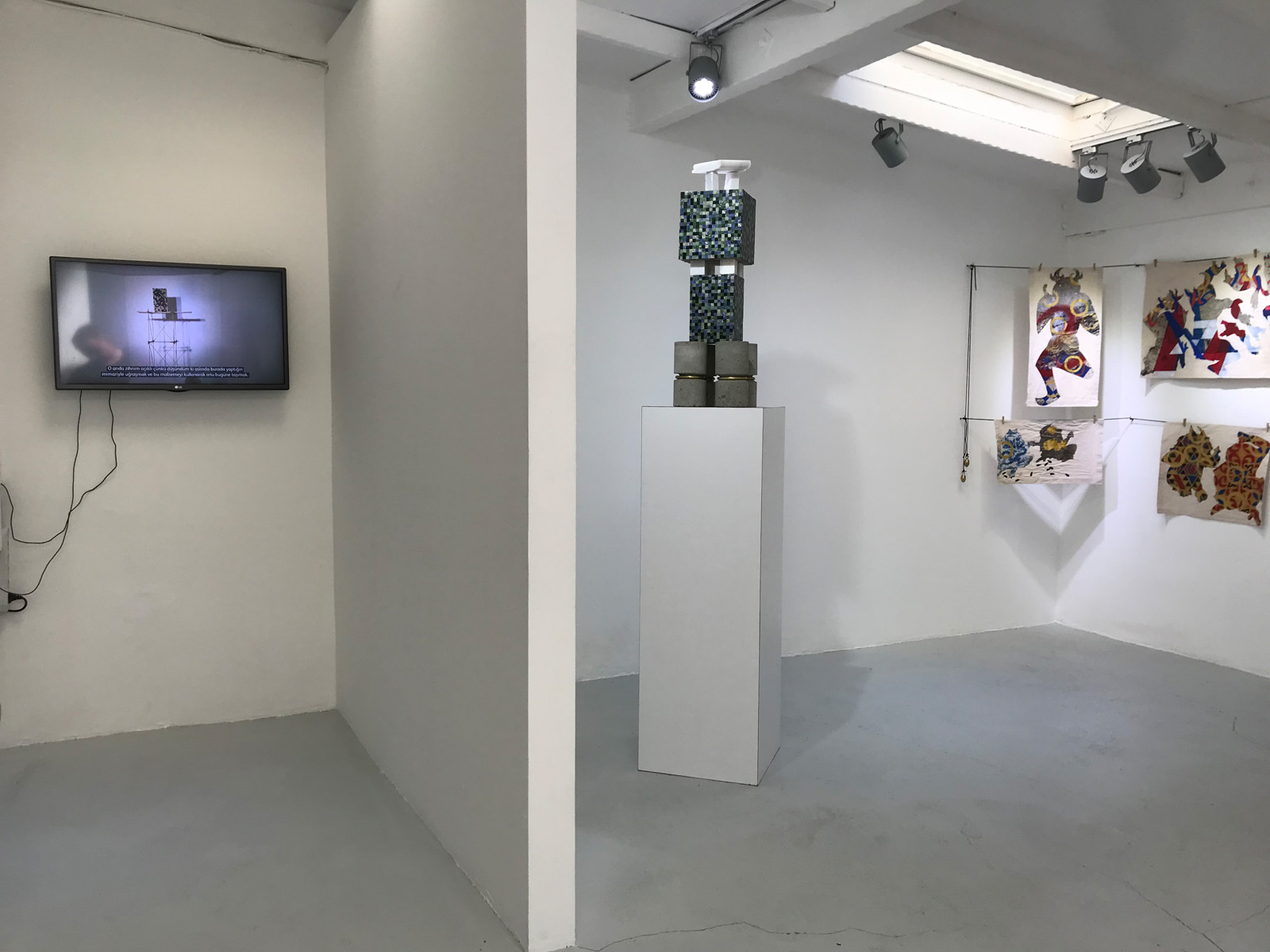
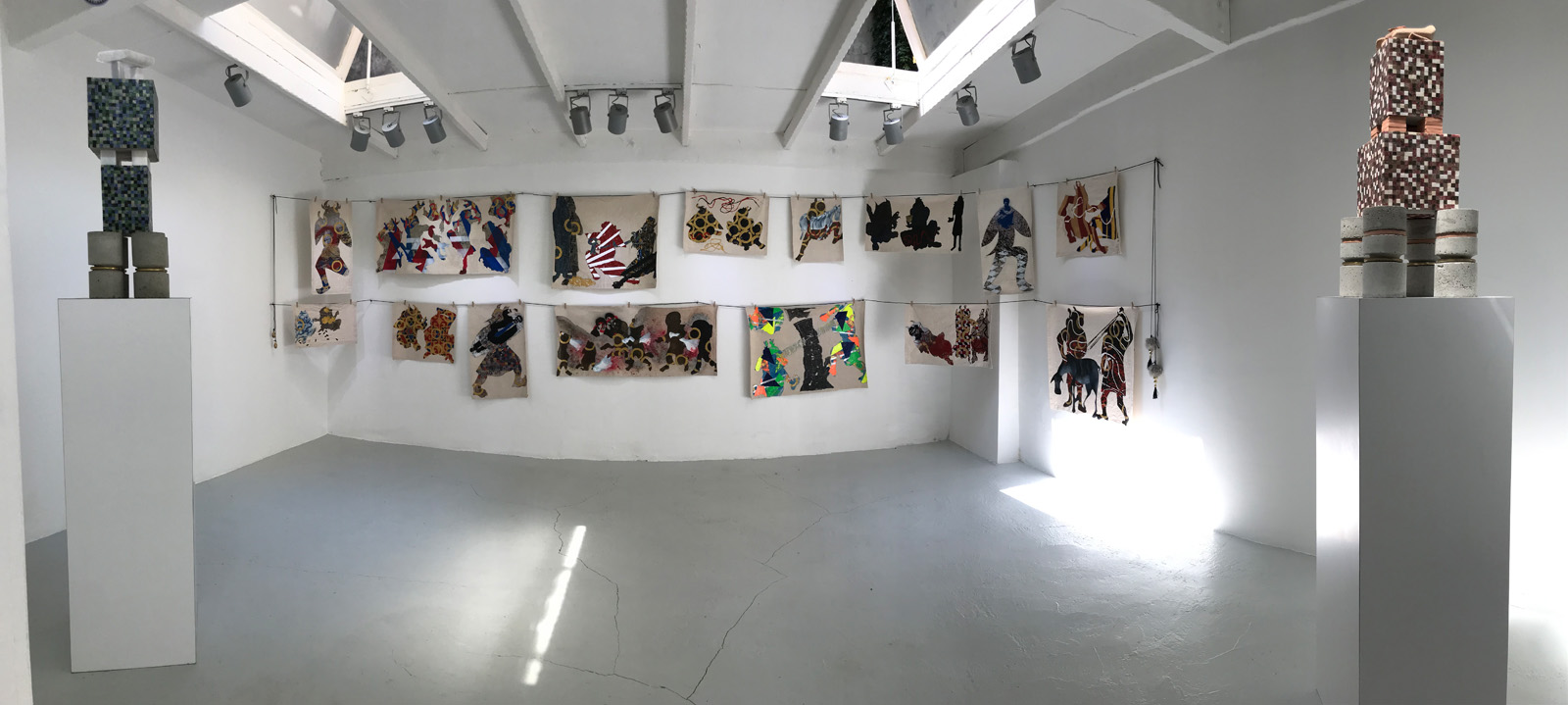
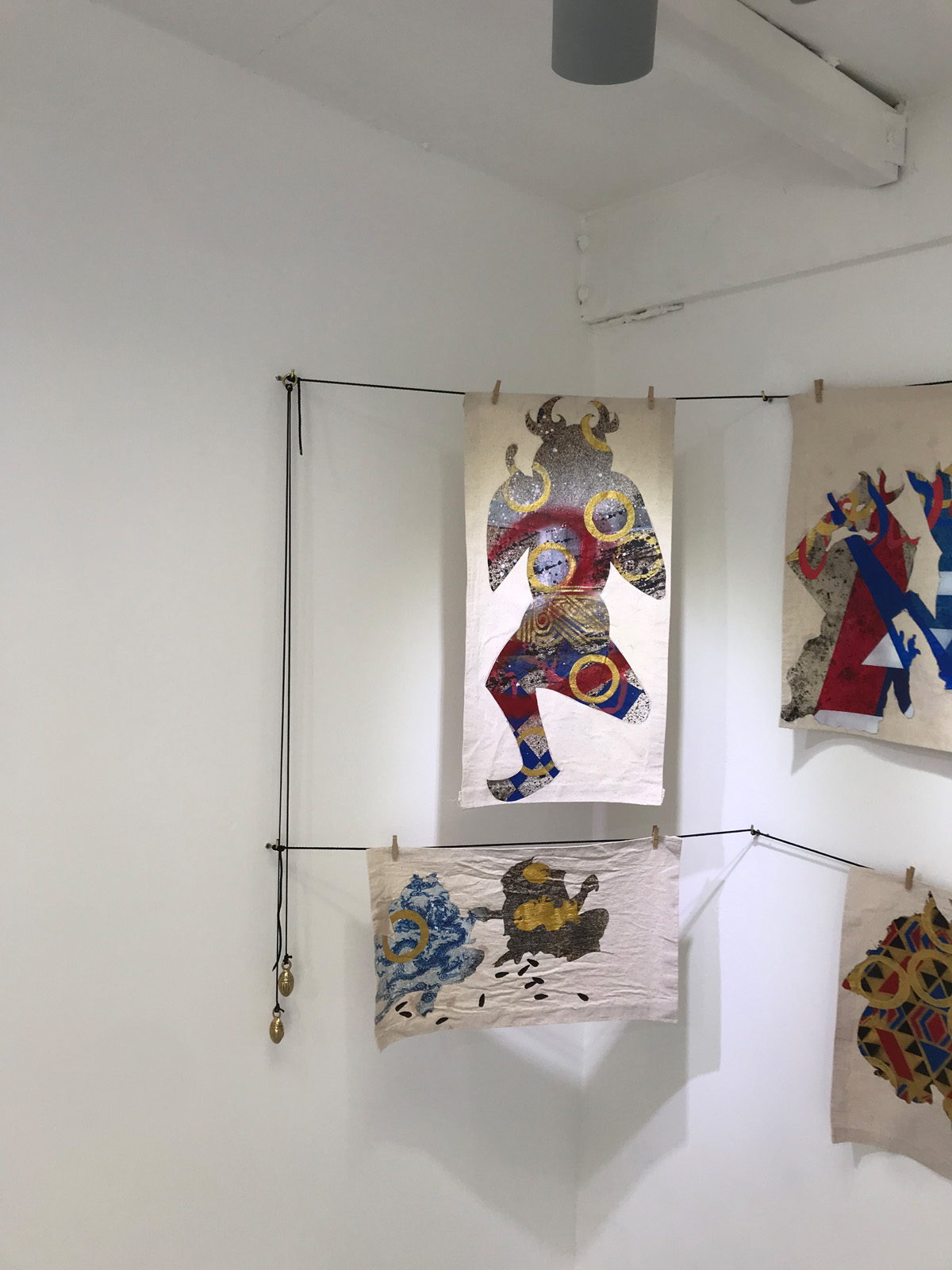
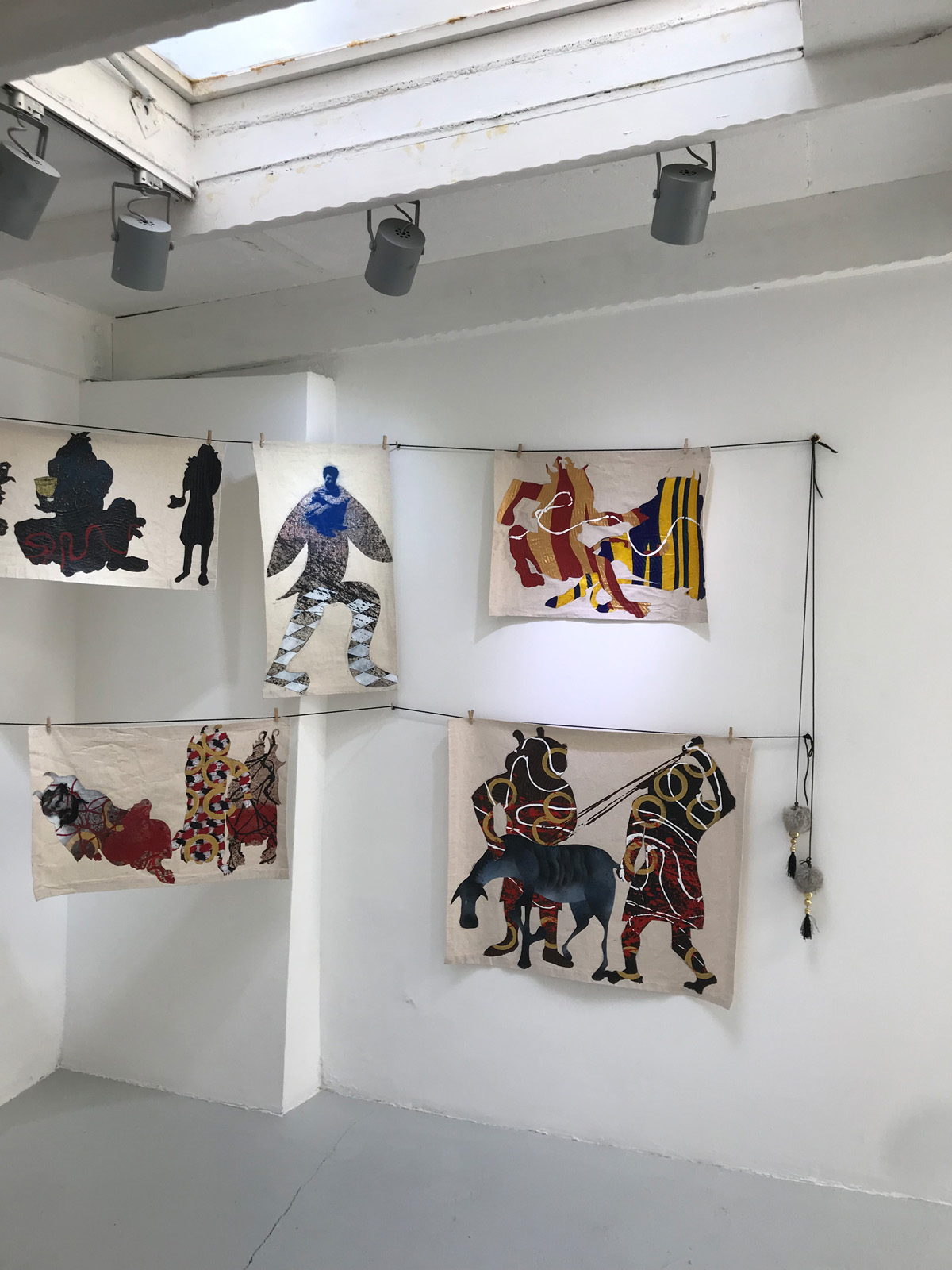
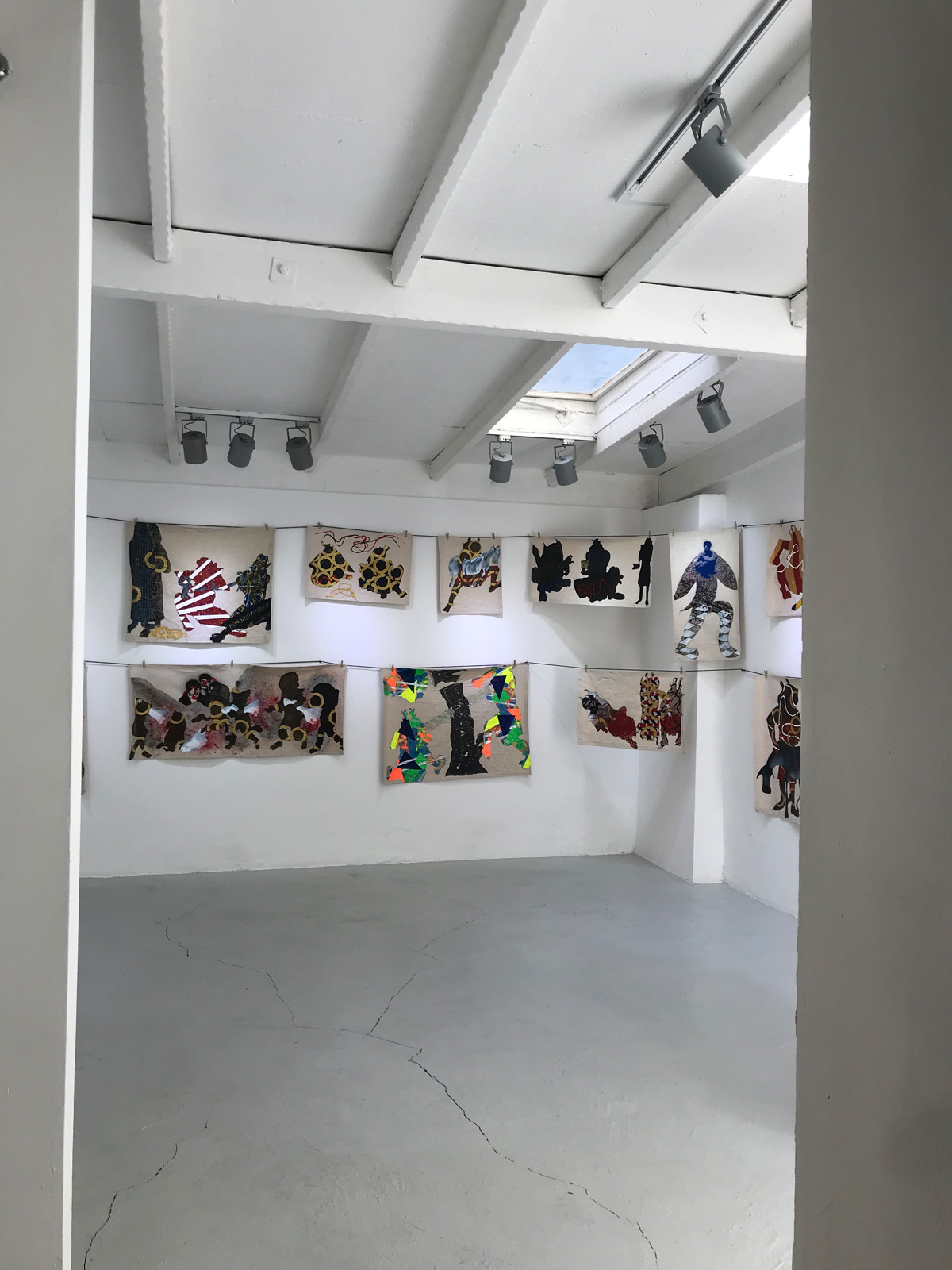
Selected Artworks
Selected works from Şeytan Tüyü.
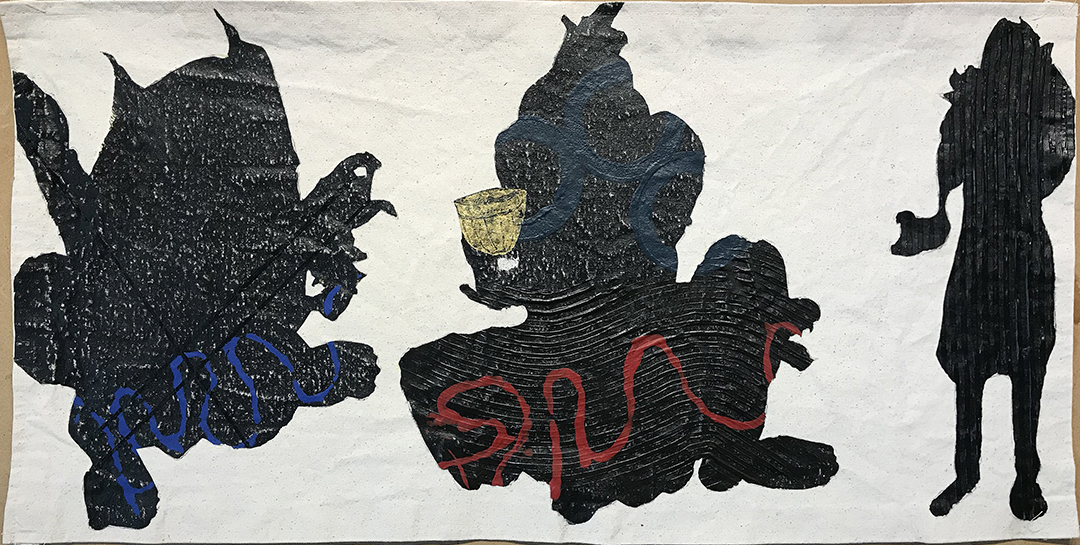
Eğlenen demonlar (Demons having fun)
2019 · mixed media on canvas · 39 × 85 cm
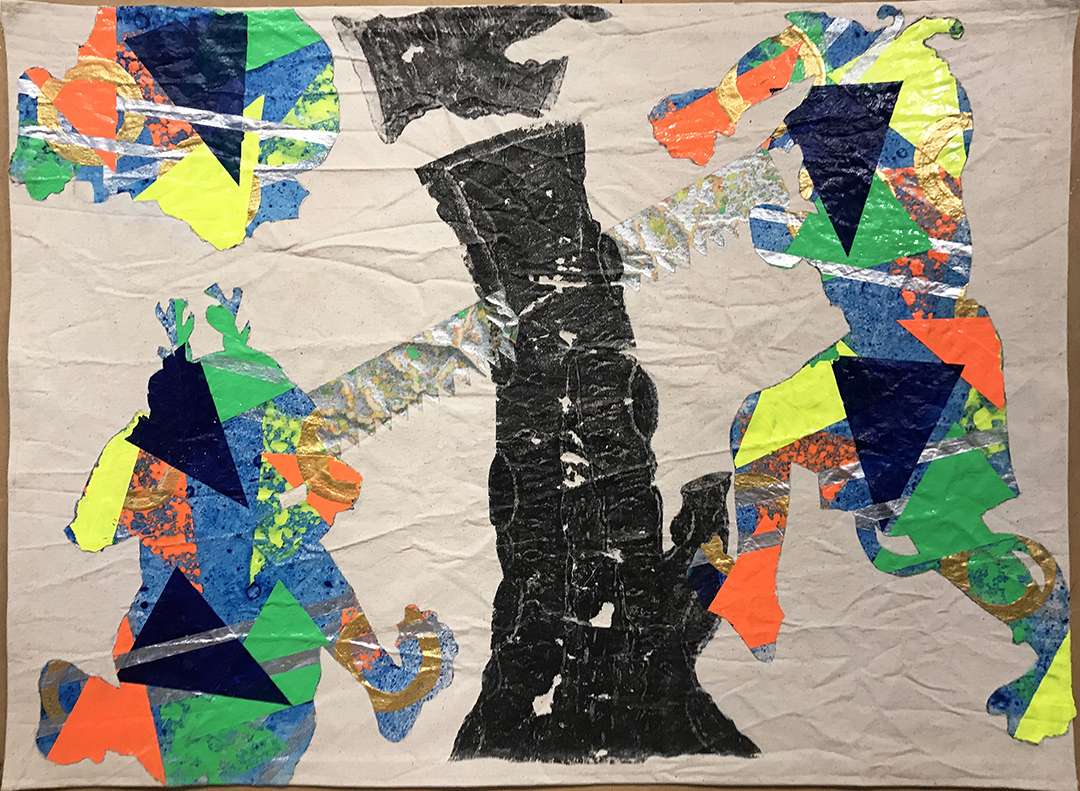
Ağaç kesen demonlar (Wood-working demons)
2019 · mixed media on canvas · 65 × 87 cm
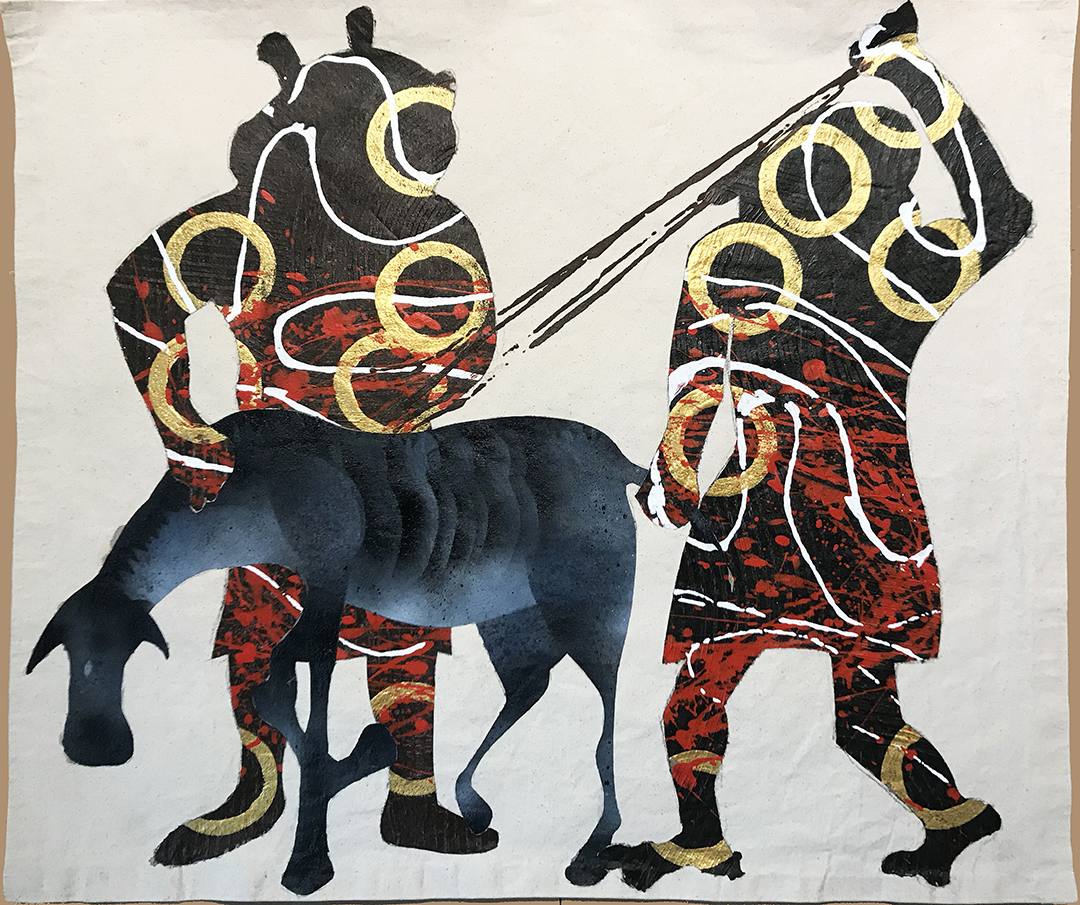
İki demon hasta bir eşeği götürüyor (Two demons taking a sick donkey)
2019 · mixed media on canvas · 68 × 89 cm
View the complete Şeytan Tüyü project
Exhibition Flyer
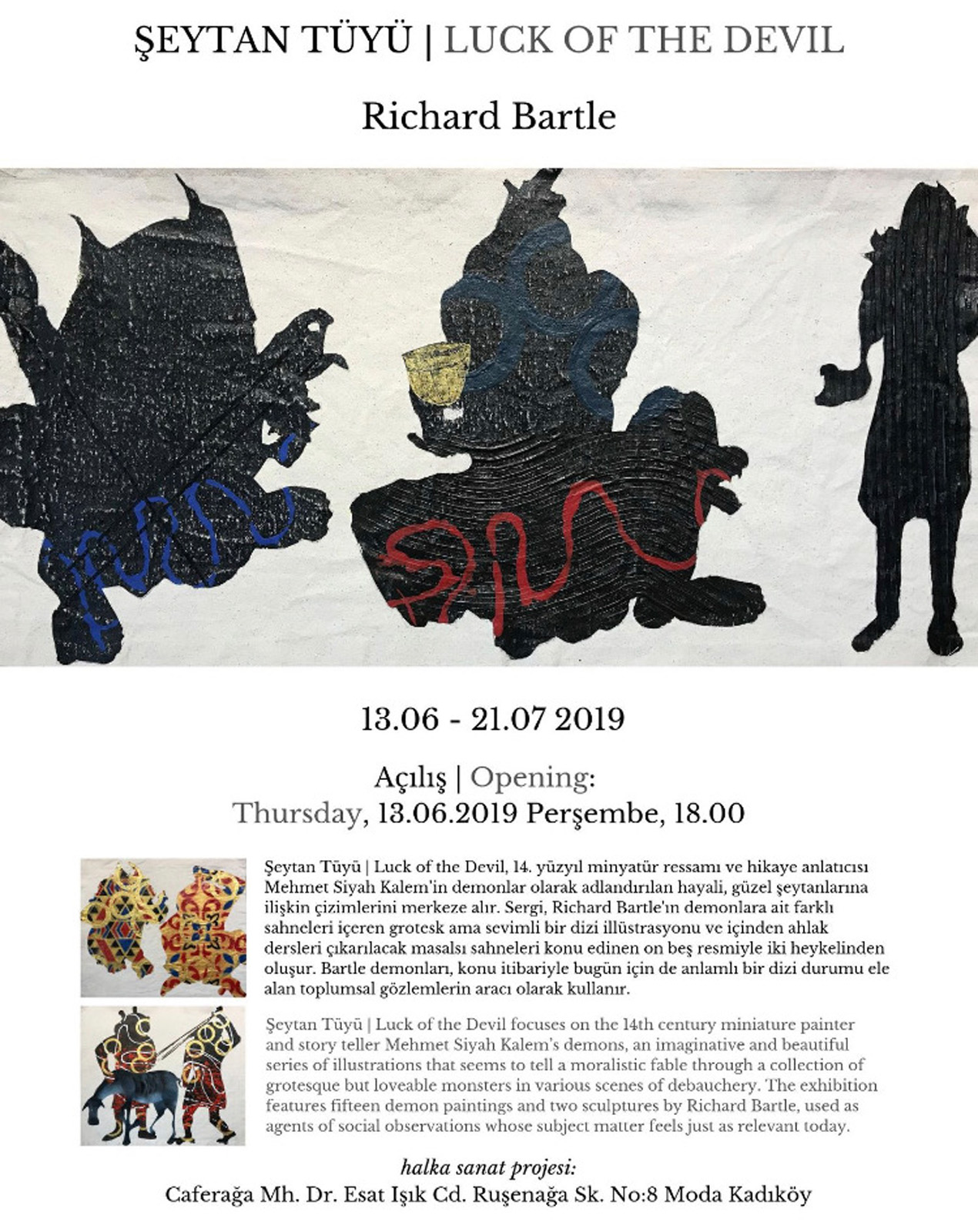
Exhibition flyer, Halka Sanat Projesi, Istanbul, 2019.
Continuing the Project
Şeytan Tüyü brought together more than a decade of observation, experimentation and reflection. It established the figures attributed to Siyah Kalem not as images to be copied or illustrated, but as structures capable of carrying new places, surfaces and experiences.
The exhibition formed part of a wider investigation that continued through A Nomad’s Tale, Nomadic Tales and The Black Pen Project. Across these related bodies of work, historical imagery became a means of examining the relationship between people, memory, material and place.
The process of gathering and layering evidence from the surface of Istanbul also anticipated Bartle’s later engagement with archaeological objects and excavated material. In both, the work begins through direct encounter and develops by allowing fragments from the past to enter into conversation with the present.