Statement
My work begins through direct encounter. I learn by wandering. Whether walking through a landscape, running a shoreline, handling archaeological artefacts, diving beneath the sea or working with found images, I come to understand places through experience rather than distance. Observation, participation and making are not preparation for the work; they are the work.
For more than three decades, I have investigated the material evidence people leave behind. I am drawn to worn surfaces, discarded objects, fragments of history and overlooked places because they reveal the lives that have passed through them. A piece of graffiti, a weathered stone, an excavated artefact or a fragment of brick can become a point of contact between people, place and time.
My practice is empirical. I rarely begin with a fixed conclusion. Instead, I enter a place, observe what is present and allow the work to develop through attention, curiosity and chance. Walking, gathering, handling and making become ways of testing what I think I know and discovering relationships that cannot be reached through research alone.
Although my projects have moved through advertising imagery, political media, Istanbul, archaeology and landscape, these subjects belong to the same continuing enquiry. I am interested in how people leave themselves behind and how physical traces, images and objects continue to influence the present.
Painting and sculpture are not ways of illustrating history. They are ways of entering into conversation with it. Found objects, historical images, archaeological fragments and remembered places are brought together through making, allowing new relationships to emerge between past and present, observation and imagination.
Ideas drawn from alchemy, semiotics and theories of transformation have informed my practice, but making remains my primary form of enquiry. Materials, images and processes are tested through repetition, adjustment and sustained observation. Meaning is not imposed upon the work in advance; it emerges through the act of making.
I have often described my practice as running my hand over the surface of the world. Whether working in a city, an archaeological landscape, a gallery or beside the sea, I continue to learn through direct encounter. Each painting, sculpture and installation develops as a conversation between people, place, material and time.
About
Richard Bartle is a contemporary visual artist based between Sheffield, UK, and Istanbul, Türkiye.
Over a career spanning more than three decades, he has developed an interdisciplinary practice encompassing painting, sculpture, installation, moving image and public art. His work has been exhibited throughout the United Kingdom and internationally in galleries, museums, biennials, artist residencies and site-specific contexts.
Bartle studied Fine Art at Bretton Hall College and undertook postgraduate study at Sheffield Hallam University. He is the founder and director of Bloc Studios, Sheffield, and was one of the founders of Bloc Projects, helping to establish two organisations that have played an important role in supporting contemporary art and artists in the region.
Living and working in Istanbul between 2008 and 2022 profoundly influenced his practice, leading to collaborations with artists, curators, archaeologists and academic researchers. More recent projects have developed through partnerships with heritage organisations, including Wessex Archaeology, and through research into archaeological landscapes, excavated objects and the remains of Sheffield Castle.
His practice investigates how material evidence can reveal relationships between people, place and time, developing long-term collaborations across contemporary art, archaeology and heritage.
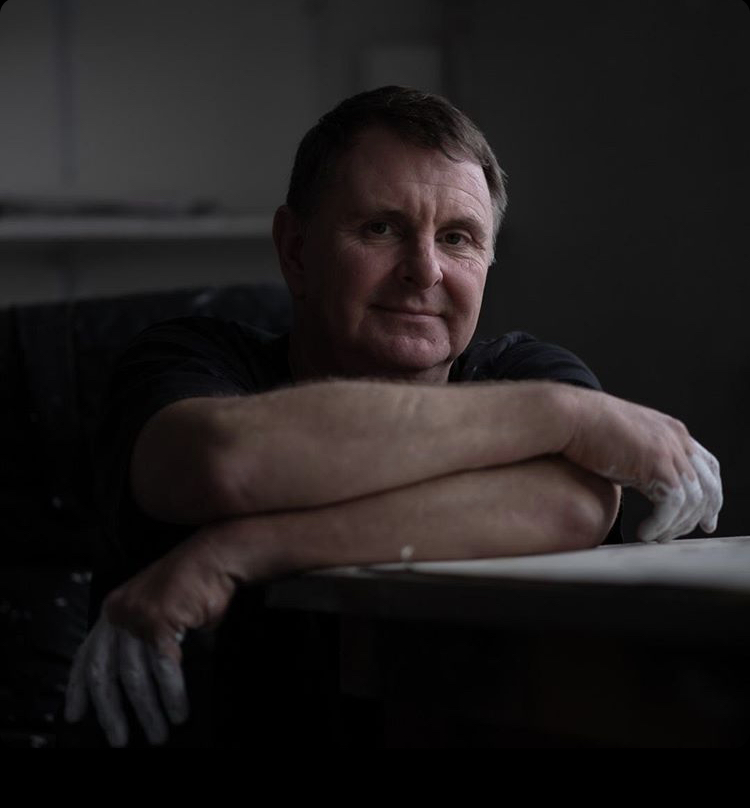
Photograph by Richard Harland ©