Exhibitions / Group
Abbara Kadabra
1st Mardin Biennial
Mardin, Türkiye
4 June – 5 July 2010
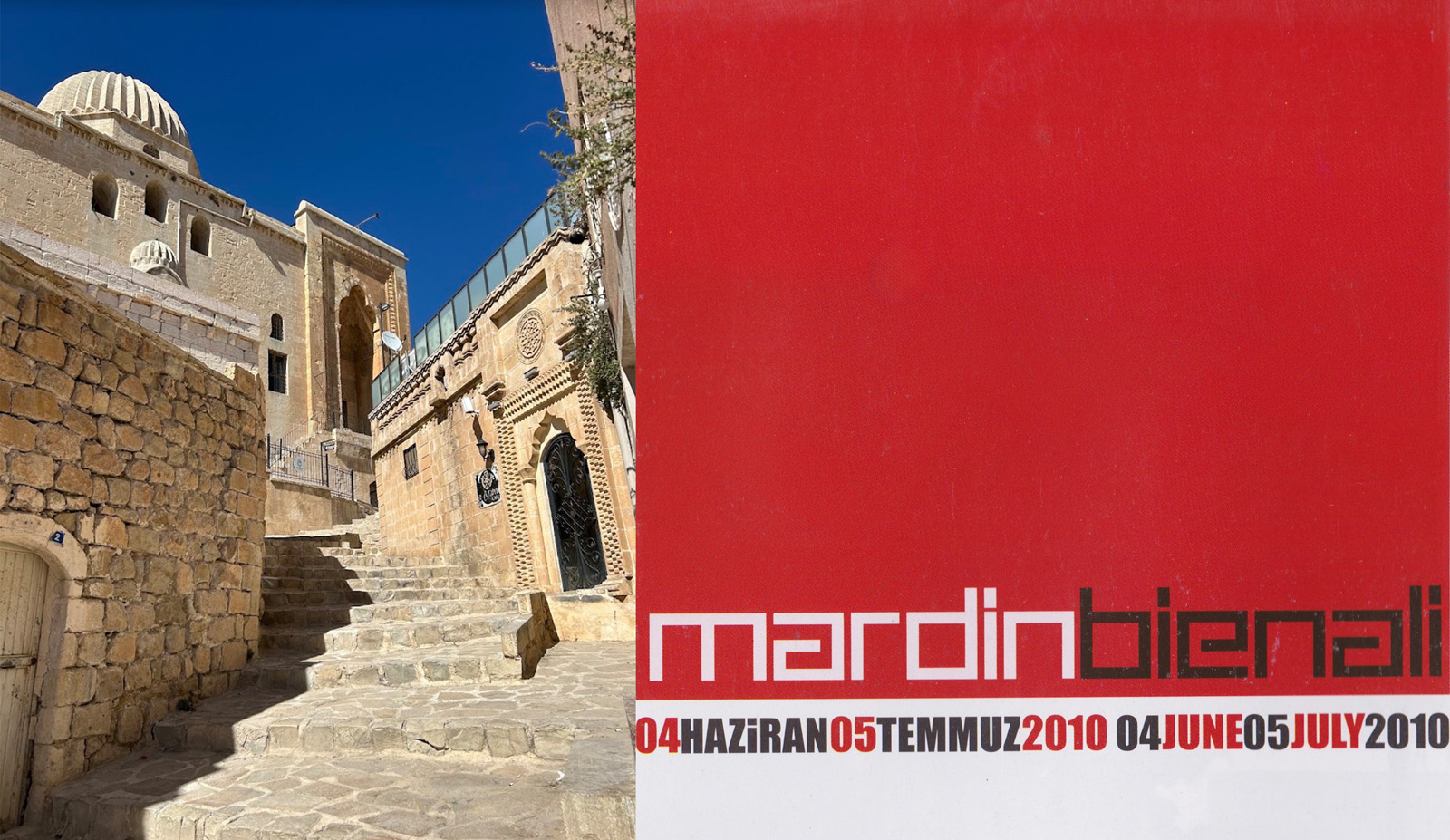
Flyer for Abbara Kadabra, the 1st Mardin Biennial, 2010.
Abbara Kadabra was the inaugural Mardin Biennial, an international exhibition of contemporary art presented throughout the historic city of Mardin in southeastern Türkiye.
Rather than being contained within a single conventional gallery, the biennial unfolded through medreses, historic houses, courtyards, streets and other architectural spaces. The city was not simply a setting for the exhibition but an active part of its meaning, bringing contemporary artistic practice into contact with Mardin’s layered cultural, religious and architectural history.
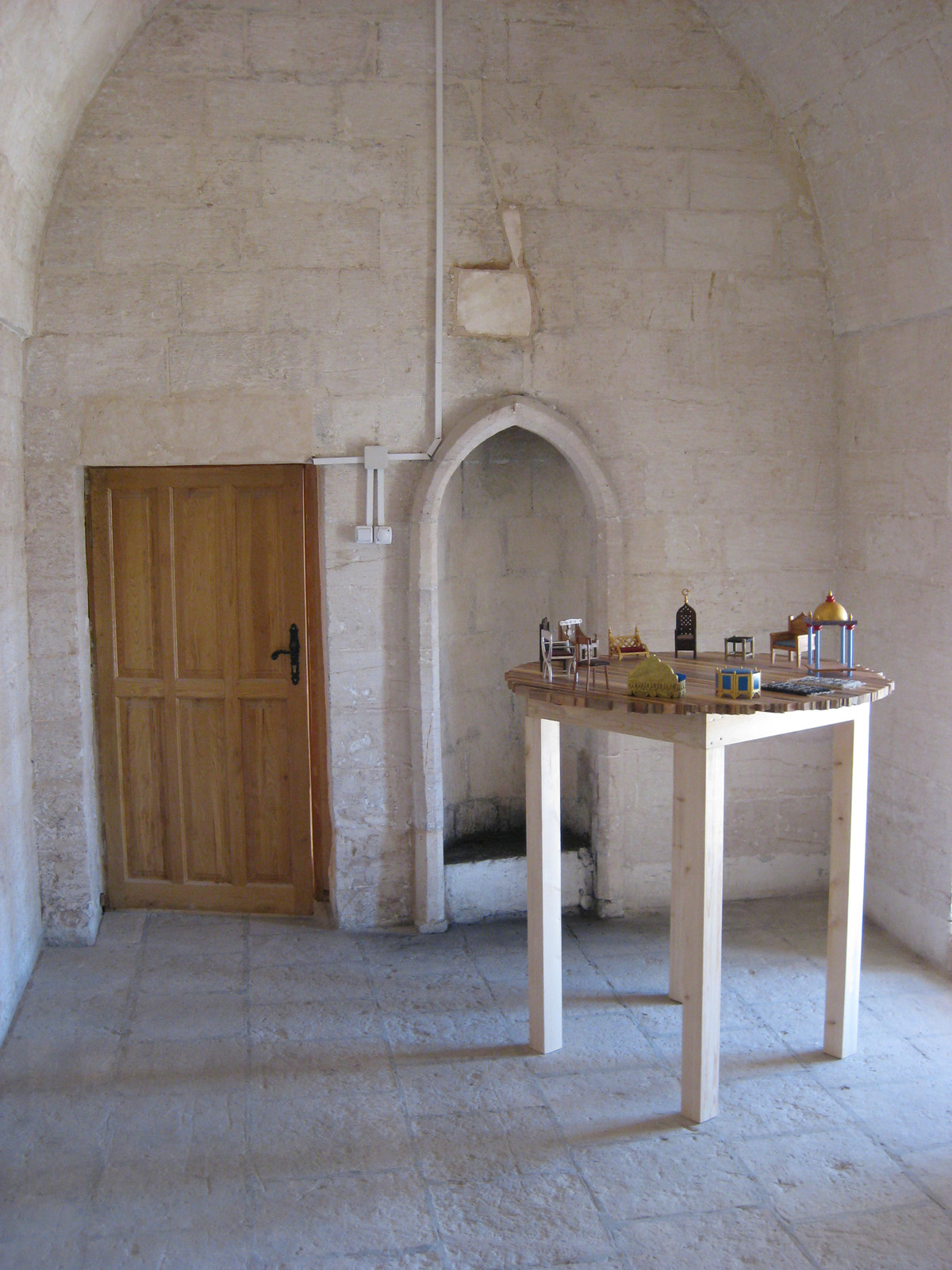
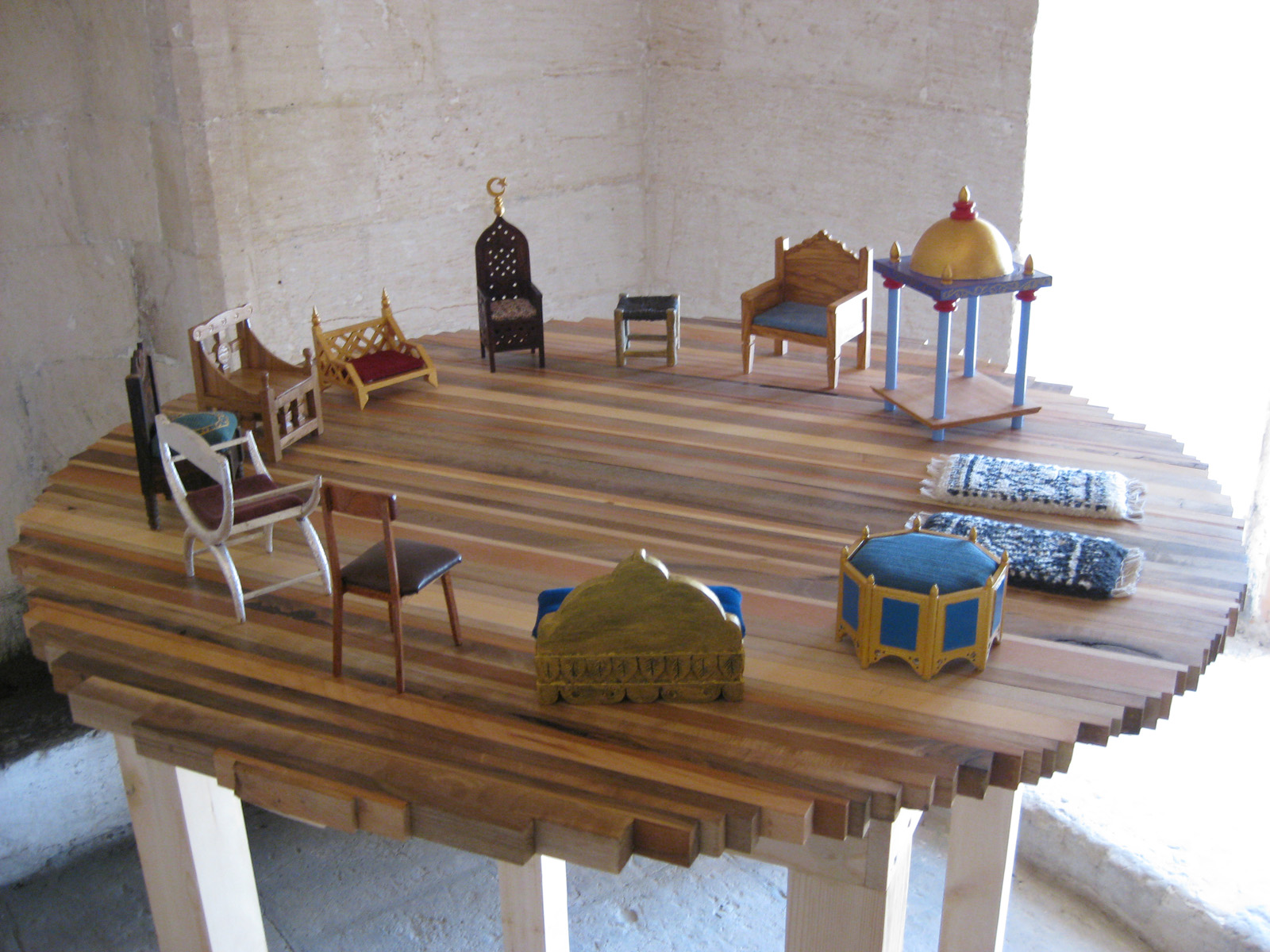
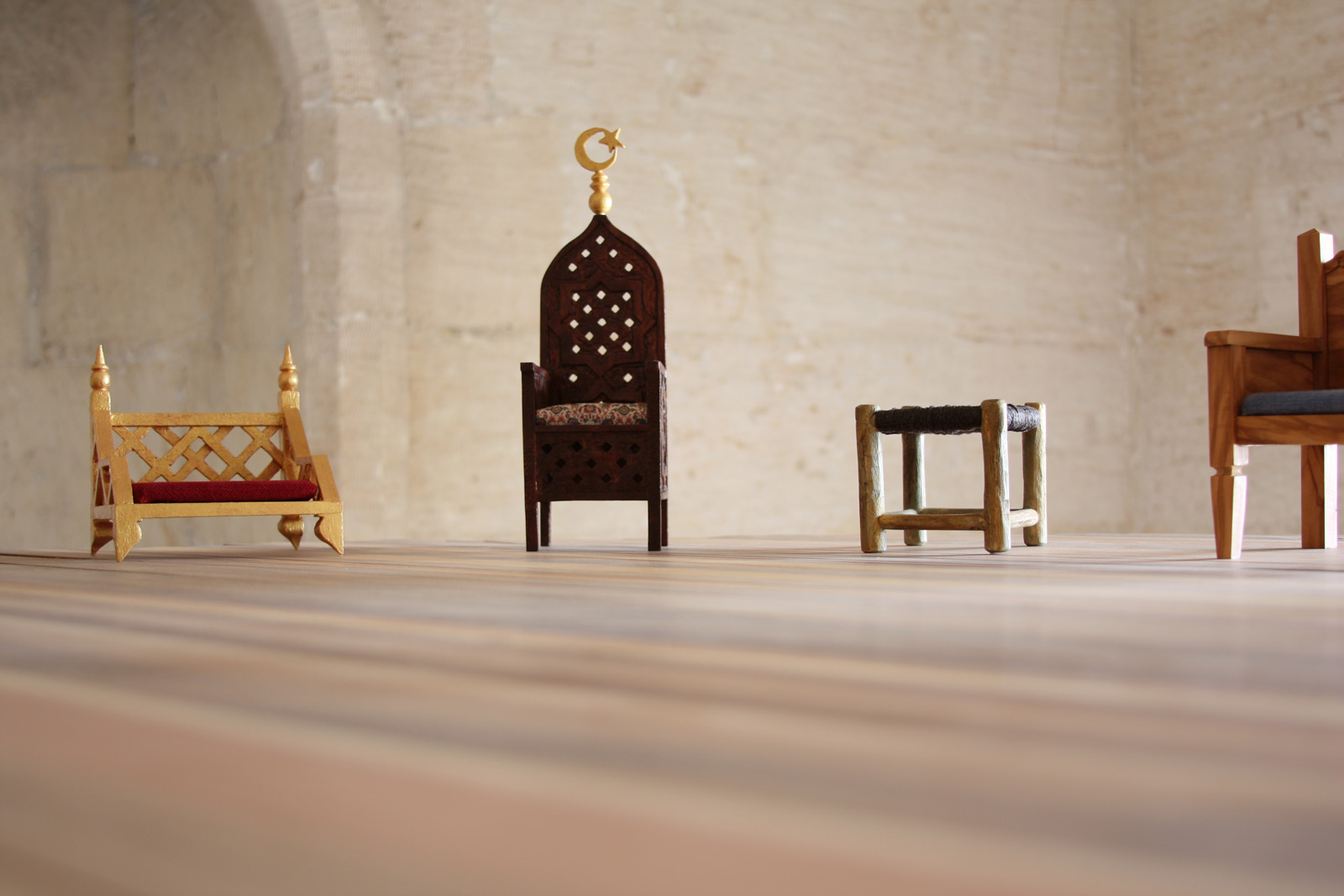
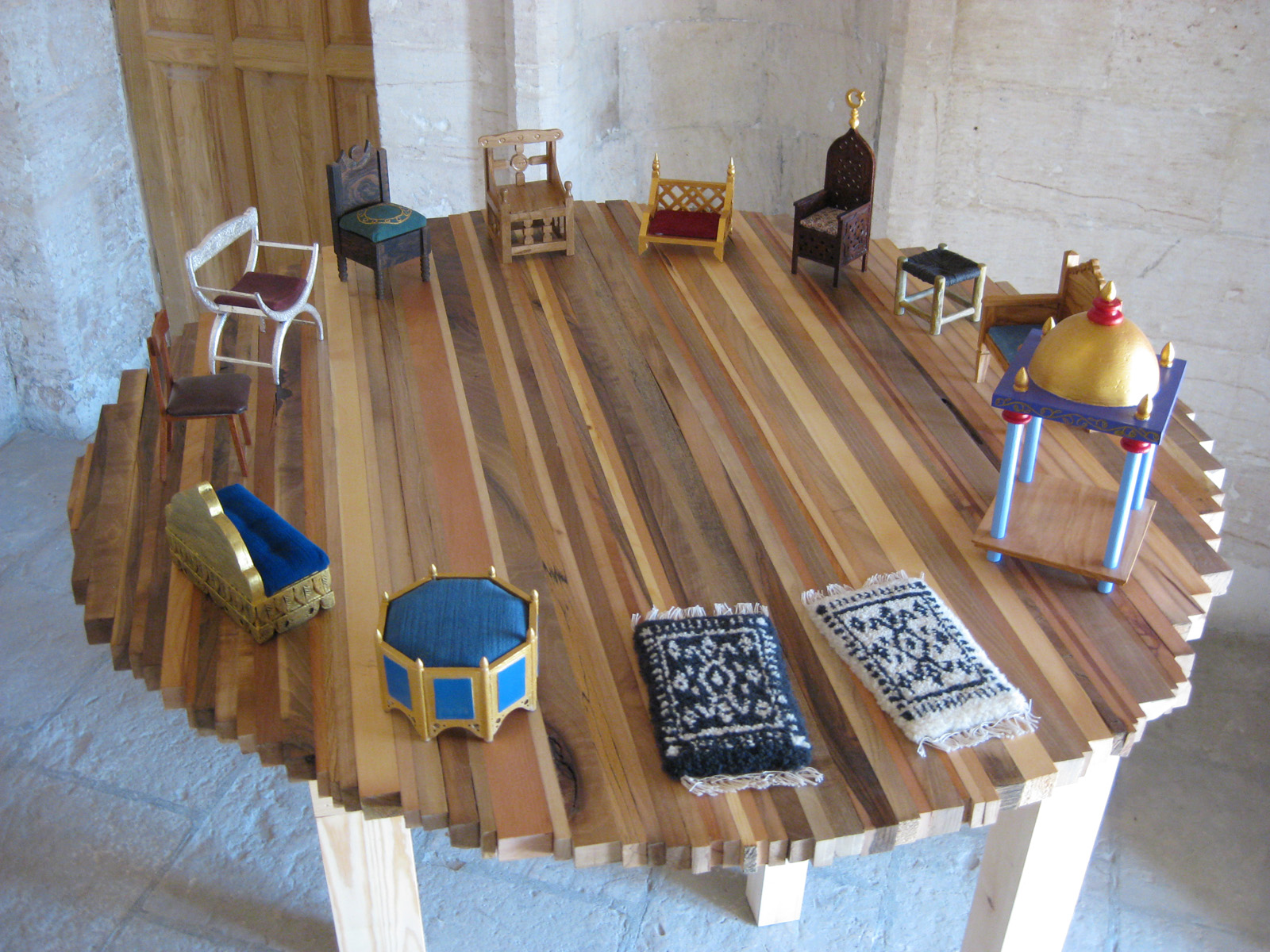
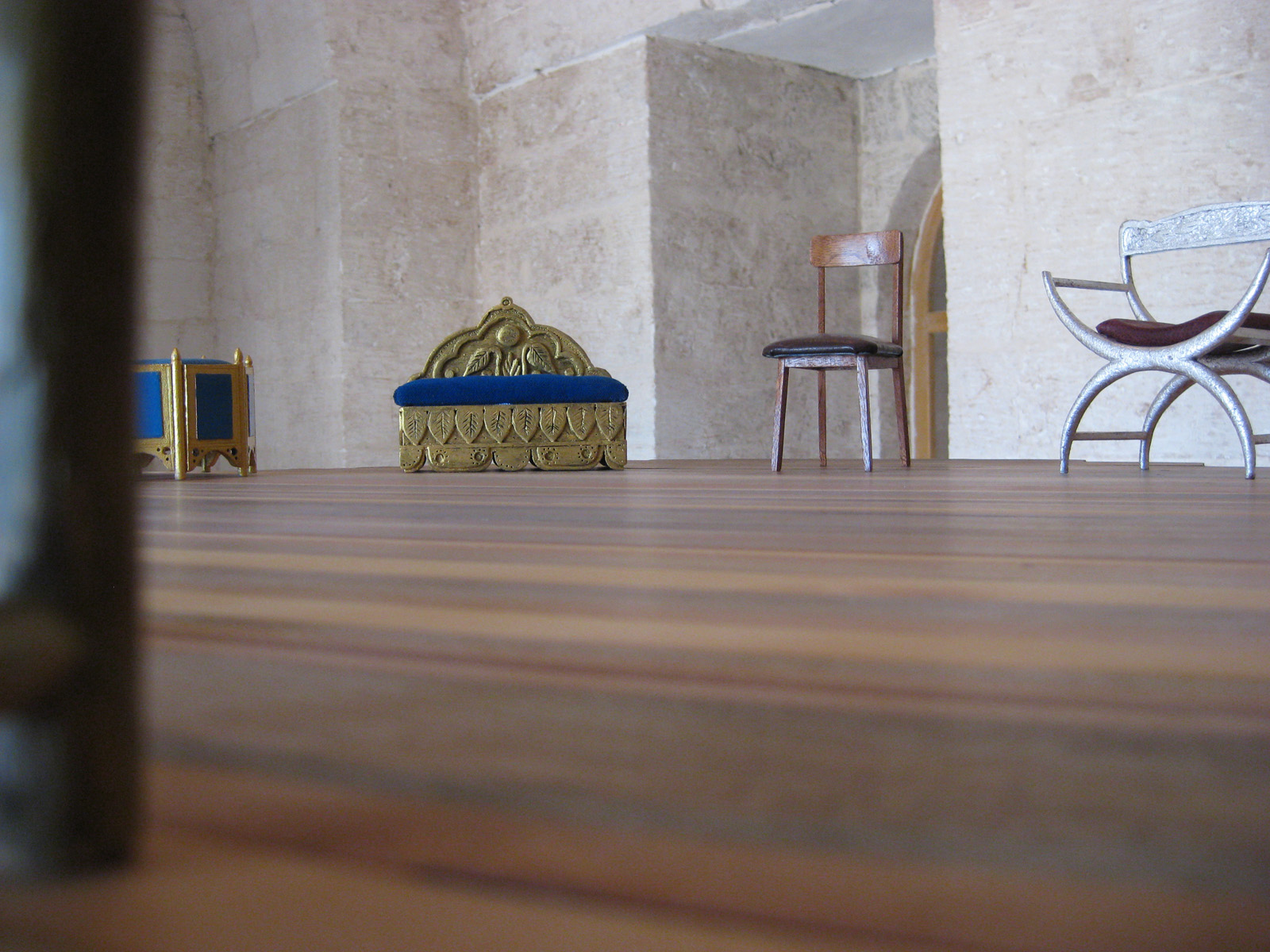
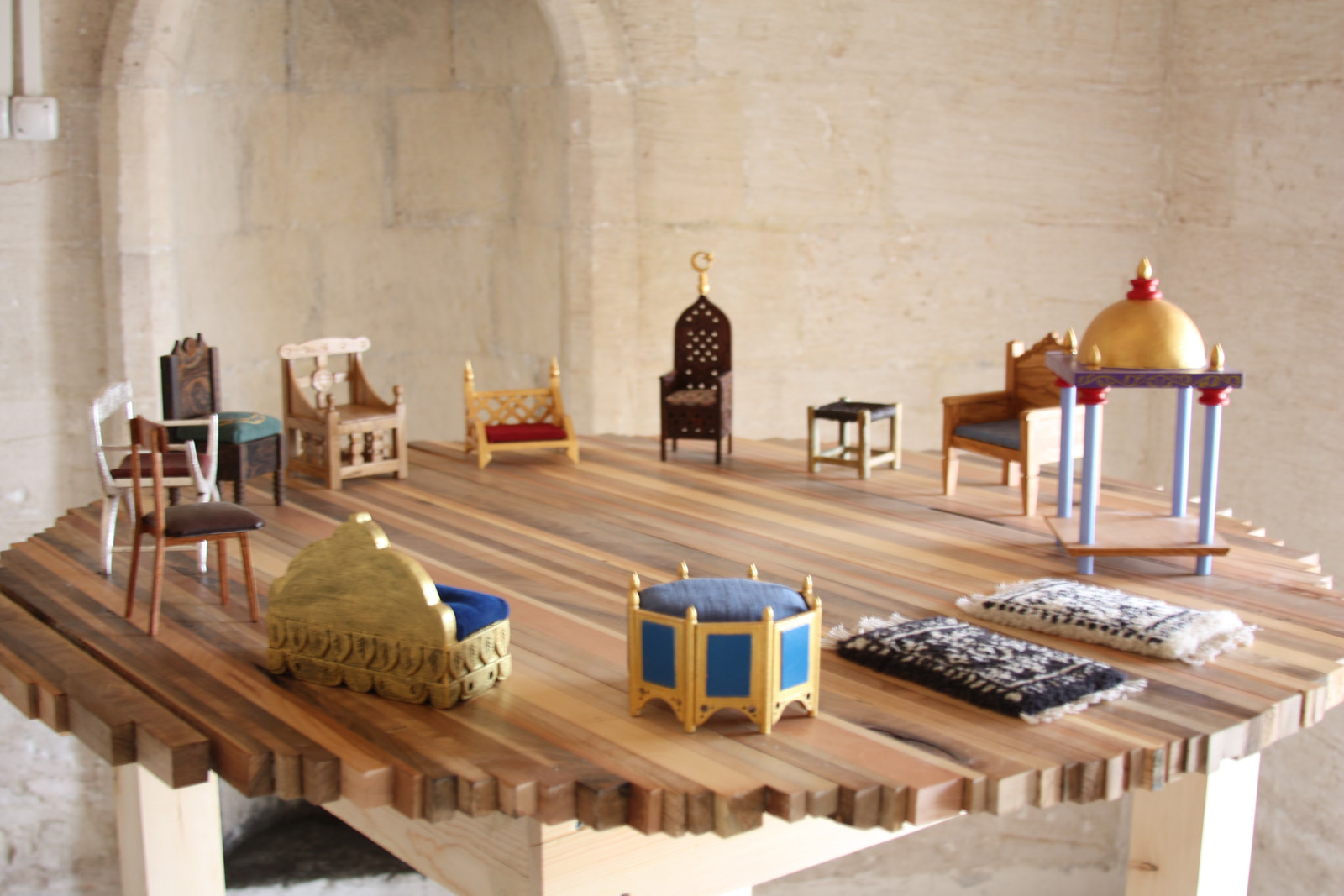
Richard Bartle presented Yuvarlak Masada (At the Round Table), a site-specific installation created for Zinciriye Medresesi. Thirteen miniature hand-made chairs and hand-woven rugs were arranged around a circular table, with each chair representing a civilisation or historical period that had shaped the Mardin region.
The installation considered the succession of cultures that had occupied the region while reflecting upon Mardin’s reputation as a place in which different faiths and communities have lived alongside one another. The circular table proposed a shared space without hierarchy: a meeting point between histories, beliefs and cultural identities.
About the Mardin Biennial
The Mardin Biennial was founded in 2010 as an independent international contemporary art event rooted in the distinctive character of Mardin. From its beginning, it developed an approach in which artworks were placed in direct dialogue with the city’s architecture, communities and historical fabric.
The title Abbara Kadabra combined the language of magic with the abbara, a characteristic feature of Mardin’s architecture. An abbara is a covered passage formed where part of a building extends over a street, connecting private architecture with the shared space of the city. The title therefore suggested both transformation and passage: movement between spaces, cultures, histories and ways of seeing.
The first edition established many of the qualities that would continue to distinguish the biennial: the use of historic buildings rather than neutral exhibition halls, the creation of site-responsive works and an emphasis upon the social and cultural life of the city.
Installation Views
Participating Artists
Abbara Kadabra brought together artists from Türkiye and internationally, working across film, sculpture, installation, painting, photography, performance, design and socially engaged practice.
The exhibition included figures such as Albanian artist Adrian Paci, whose films and installations frequently address migration and displacement; British filmmaker Ben Rivers; Turkish-Cypriot designer and multidisciplinary artist Hussein Chalayan; Croatian conceptual artist Mladen Stilinović; Glasgow-based filmmaker Margaret Salmon; Australian video and performance artist Shaun Gladwell; Turkish sculptor Mehmet Ali Uysal; Austrian-British artist Ursula Mayer; Croatian artist Vlatka Horvat; and pioneering Turkish painter, artist and academic Tomur Atagök.
Other participating artists included Alina Viola Grumiller, Alen Floričić, Arzu Başaran, Burak Bedenlier, Canan Budak, Canan Dağdelen, Chloë Brown, Çınar Eslek, Daisy Frossard, Devran Mursaoğlu, Erdağ Aksel, Erdal Duman, Fatih Tan, Ferhat Özgür, Gani Llalloshi, Goran Škofič, Gül Bolulu, Gülay Semercioğlu, Hakan Irmak, Heike Weber, Helene Kazan, Hondartza Fraga, Hülya Özdemir, Kezban Arca Batıbeki, Lale Delibaş, Levent Morgök, Matthias Schamp, Maurizio Pellegrin, Mehmet Çeper, Mithat Şen, Necmettin Tarkan, Nezaket Ekici, Nurullah Görhan, Oliver Musovik, Osman Kerkütlü, Özgür Önürme, Richard Bartle, Sarah Jane Palmer, Sean Williams, Selim Birsel, Serhat Kiraz, Serkan Demir, Steve Hawley, Su Yücel, Tony Kemplen, Twin Gabriel and Yeni Anıt.
The breadth of the participants placed work emerging from Mardin and Türkiye within a wider international conversation while allowing different artistic approaches to meet within the physical and cultural landscape of the city.
Curatorial Vision
The inaugural Mardin Biennial was initiated and curated by Döne Otyam. Her curatorial vision established a distinctive model in which the exhibition would emerge through the city rather than be imposed upon it.
Historic houses, medreses, courtyards, streets and public spaces became active elements within the exhibition. Artists were encouraged to respond to the particular histories and conditions of Mardin, allowing architecture, memory, belief and everyday life to enter into the experience of the artworks.
This approach was fundamental to the creation of Yuvarlak Masada. The installation was developed specifically for Zinciriye Medresesi and for Mardin’s long history as a meeting place between peoples, empires, languages and faiths. Its form and meaning were inseparable from the place in which it was shown.
Otyam’s work on the first edition helped establish the site-responsive and locally rooted character that has continued to define the Mardin Biennial. The biennial has since developed into a significant international platform for contemporary art in southeastern Türkiye.
Selected Artwork
Richard Bartle’s contribution to the biennial was Yuvarlak Masada (At the Round Table), an installation comprising a circular table and thirteen hand-woven chairs.
Yuvarlak Masada (At the Round Table)
2010 · Hand-woven textiles, wood and mixed media
Zinciriye Medresesi · 1st Mardin Biennial
Each chair or rug represented a different civilisation or historical period connected with the region, from the Roman and Byzantine eras through successive Islamic dynasties, the Ottoman Empire and the modern Turkish Republic.
The rugs were made by Richard Bartle using the Turkish knot. Their construction drew upon the relationship between rugs, travel and nomadic life: portable woven surfaces upon which people could sit, rest and gather without the need for conventional furniture.
View the complete Yuvarlak Masada project →
Exhibition Map
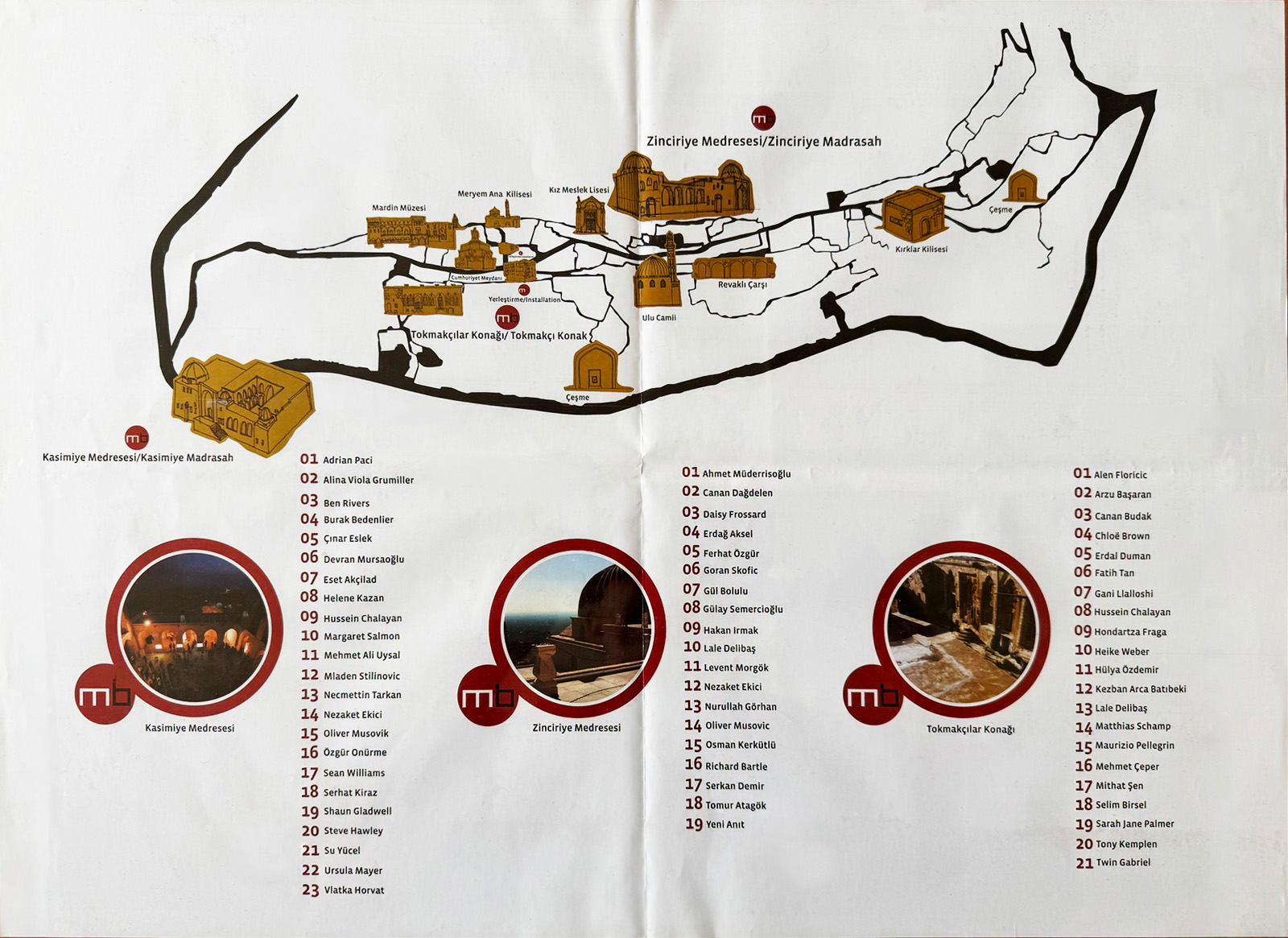
Exhibition map for Abbara Kadabra, Mardin, Türkiye, 2010.
Legacy
Abbara Kadabra marked the beginning of the Mardin Biennial and established an enduring relationship between contemporary art and the city’s architectural and cultural landscape.
Within Richard Bartle’s practice, Yuvarlak Masada represented an important development in his site-responsive approach. The work emerged through research into Mardin’s history, direct experience of the city and engagement with the material traditions of the region. Rather than illustrating a single historical account, it brought different periods together within one shared and symbolic space.
The project anticipated concerns that would continue throughout Bartle’s later work: the cultural traces left within places and objects, the meeting of contemporary practice with historical evidence, and the possibility of using material processes to connect different moments in time.