Istanbul
A Nomad's Tale
In his exhibition titled A Nomad’s Tale, Richard Bartle reflects upon the observational works of 14th century miniature painter and storyteller Mehmet Siyah Kalem, holding them up as a mirror through which to view present day Istanbul and as an intermediary between Siyah Kalem’s story and his own. Through this process Bartle has created a brand new body of work that combines ideas of narrative and representation with concepts of materiality, architectural idiosyncrasy, political landscapes, tradition, and craft.
Bartle’s work does not simply interpret Siyah Kalem's paintings, but uses them as a visual tool to rebuild a new world of encounters and connections. Therefore, he binds a nomadic vision of 14th Century Silk Road touching Persia, Anatolia and Central Asia to the 21st Century cosmopolitan Istanbul which still is a gateway carrying the traits of these cultures, combined with features of a new era.
İpek Çankaya
Founding Director
halka sanat projesi
I first became aware of the 14th century painter and storyteller Mehmet Siyah Kalem, ‘Mohammad of the Black Pen’, when I encountered his work in the Royal Academy exhibition Turks: A Journey of a Thousand Years, 600–1600 in 2005. Amongst the formal courtly scenes, illuminated manuscripts and objects drawn from across the history of the Turkish world, Siyah Kalem's brush and ink observations stood apart. His images of travellers, musicians, storytellers, merchants and nomads felt immediate and alive, revealing something of the everyday encounters and social exchanges that animated life along the Silk Road.
Very little is known about Siyah Kalem himself. Historians believe he travelled widely across Central Asia, Persia and Anatolia, recording the people and cultures he encountered through a remarkable series of illustrations. His work survives today in the collection of the Topkapı Palace Museum in Istanbul, where it eventually found its way after passing through the Ottoman court.
When I first travelled to Istanbul in 2008 for a residency at Platform Garanti, I arrived with Siyah Kalem very much in mind. Carrying a catalogue of his work, I began walking the city and found myself repeatedly encountering people, gestures and situations that seemed strangely familiar. The characters I had first encountered in his drawings appeared to be living on in contemporary Istanbul. At the time, however, I lacked the knowledge and experience to develop this observation into a body of work.
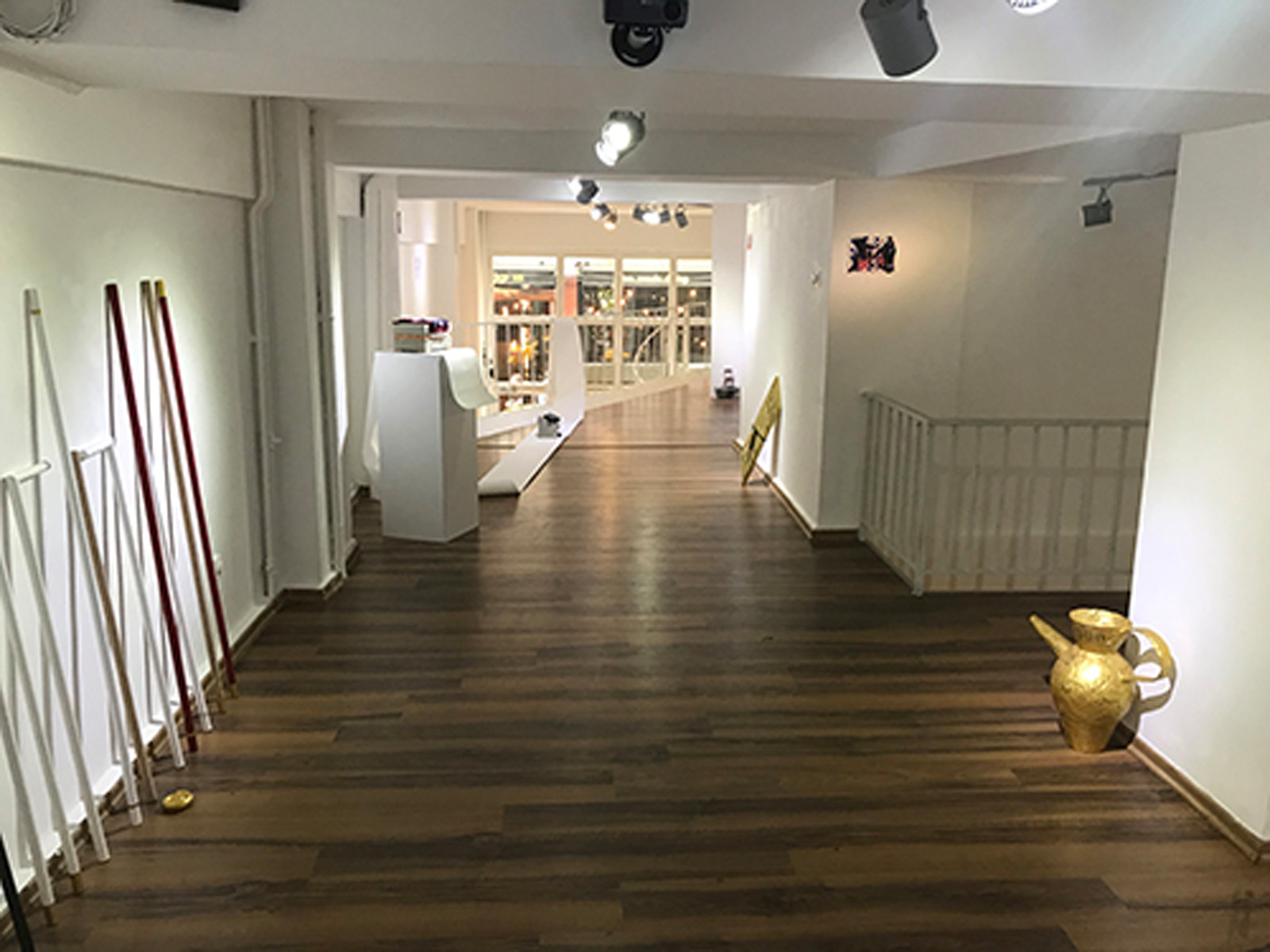
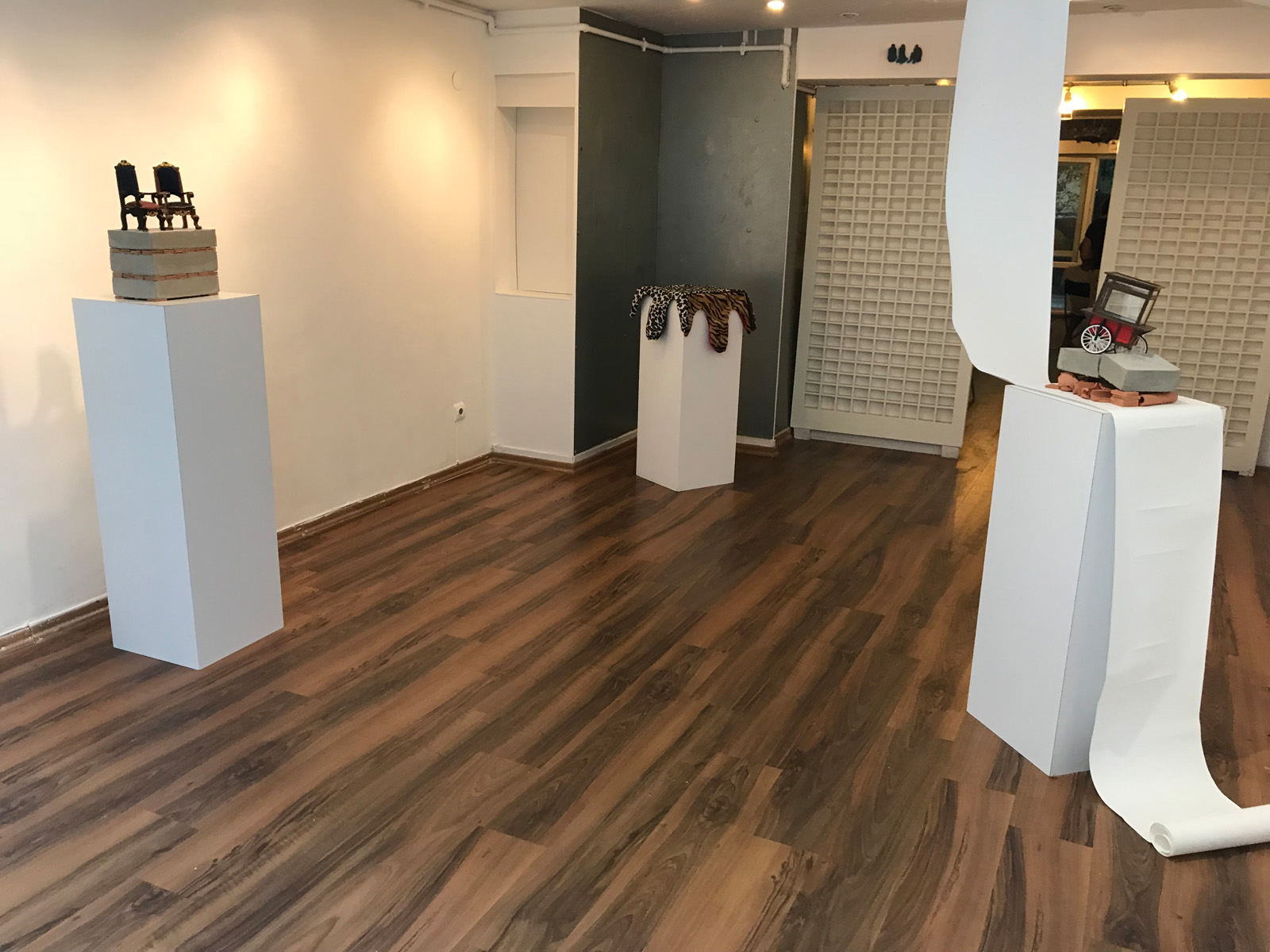
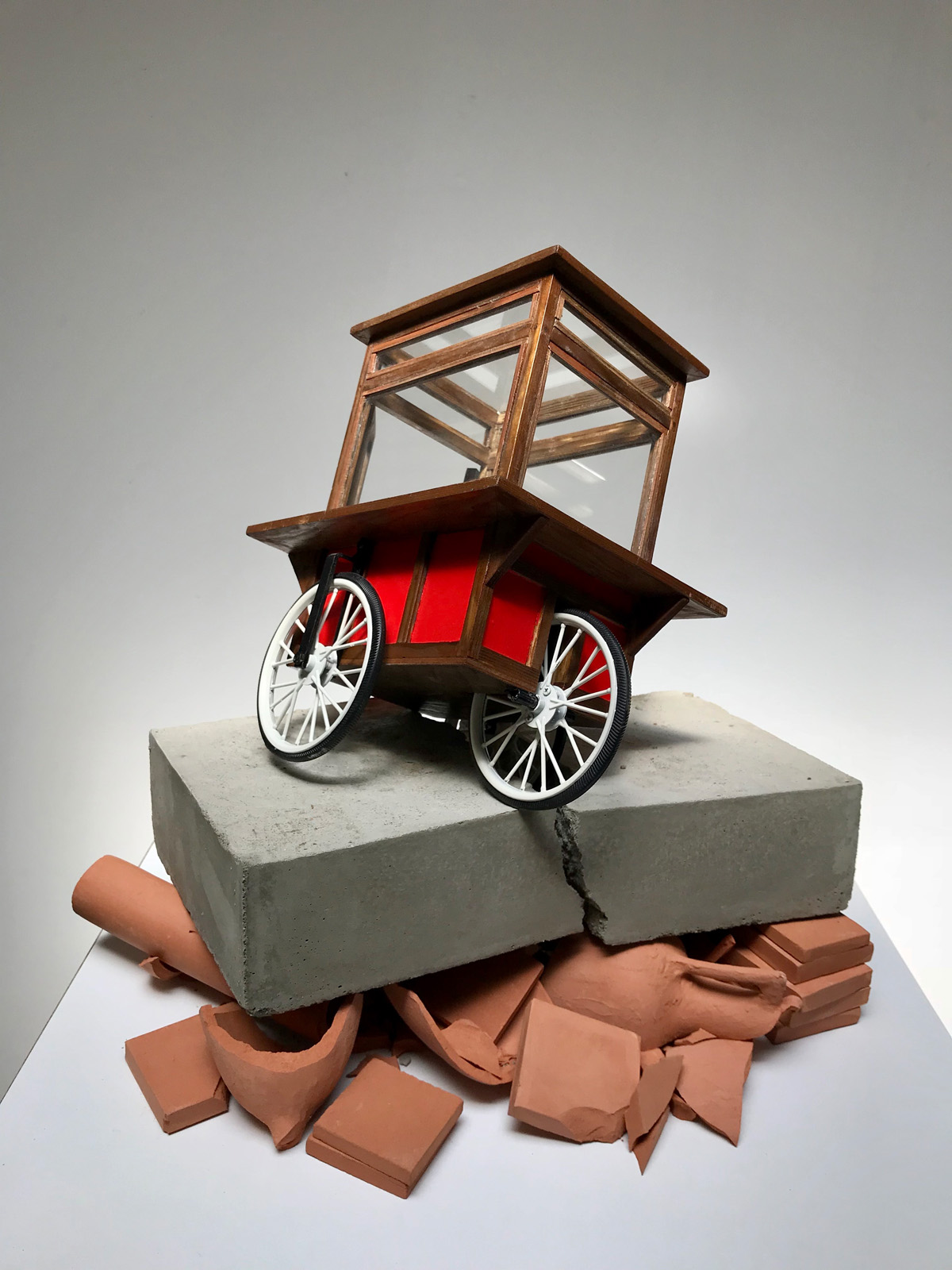
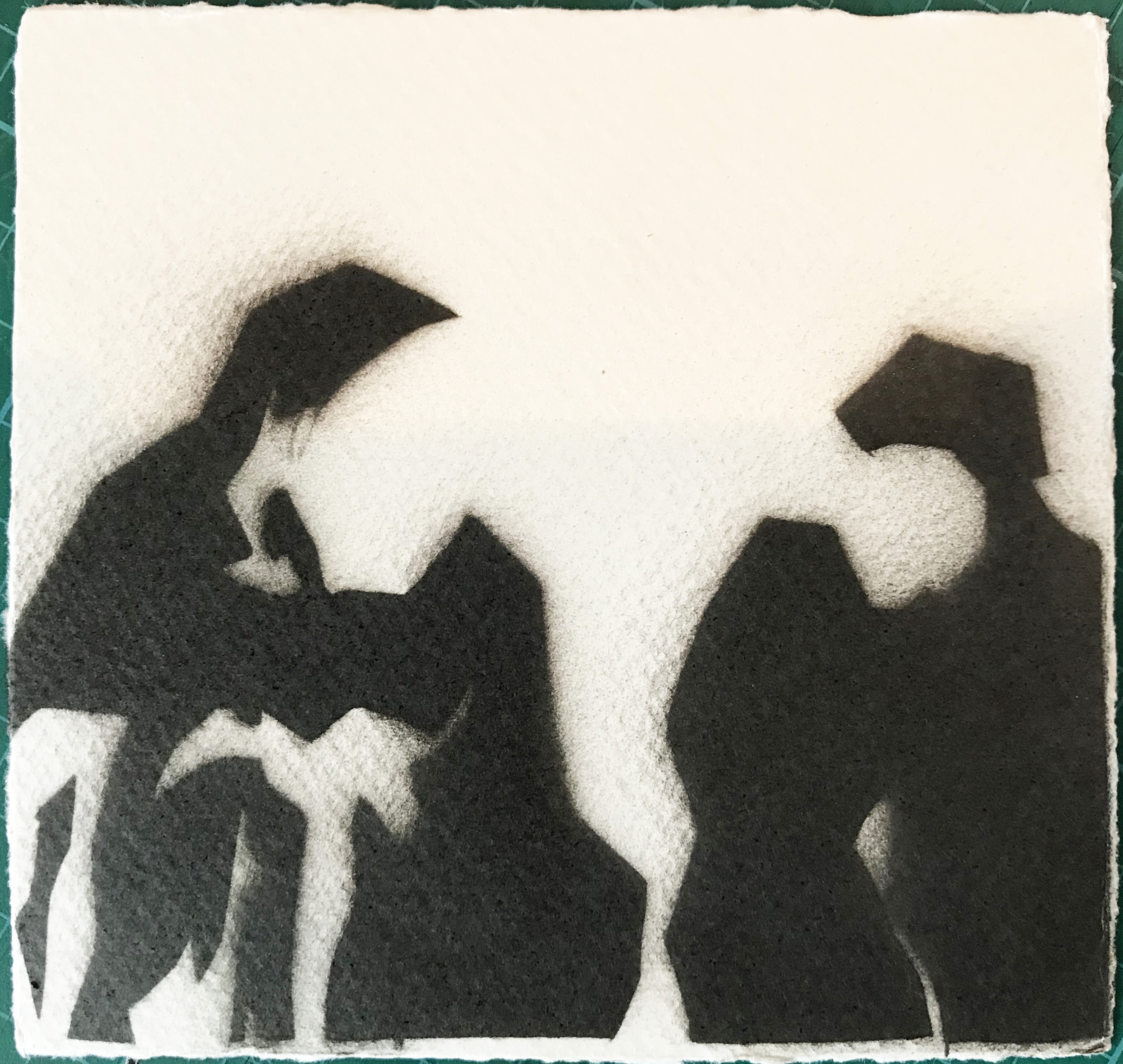
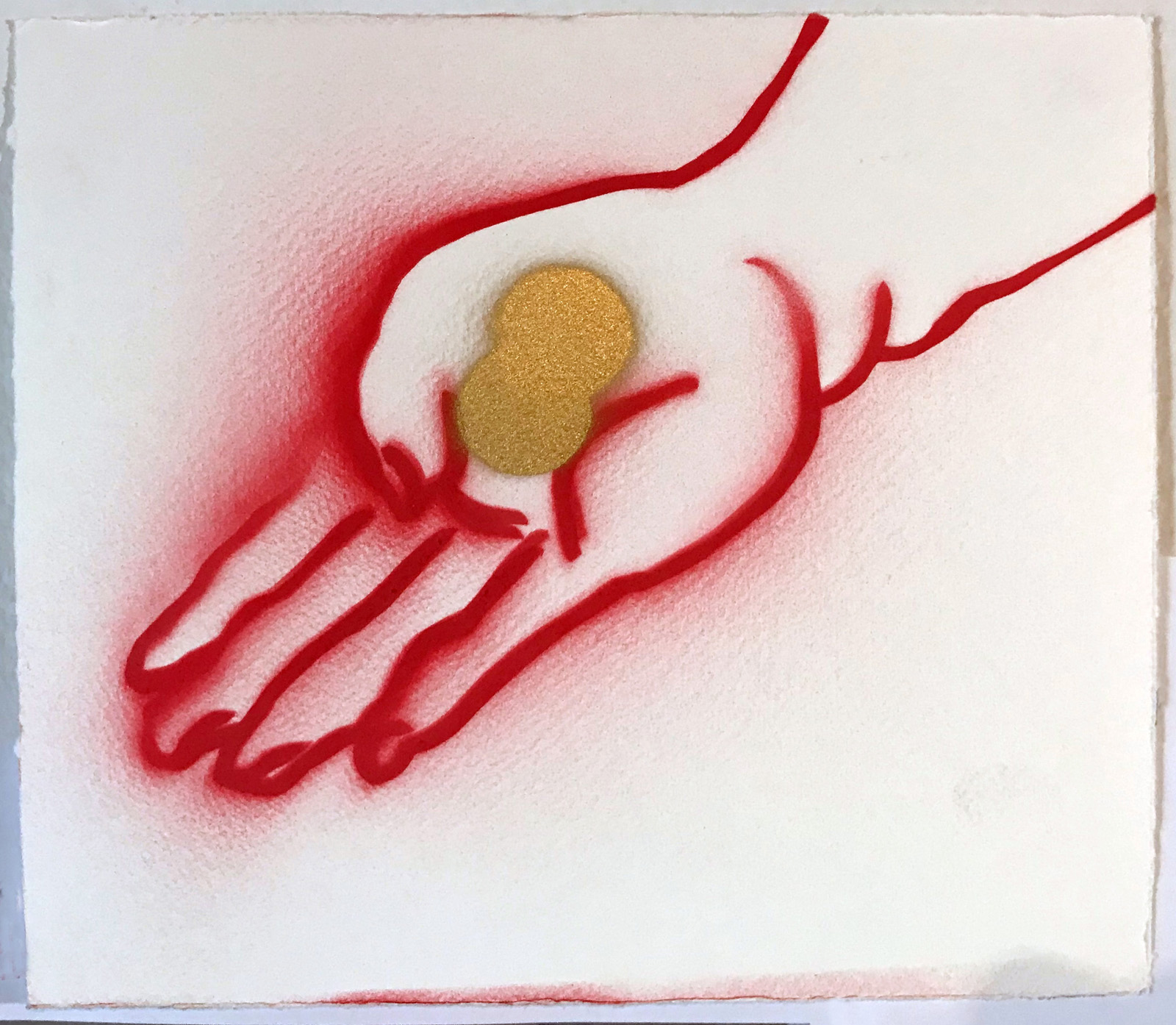
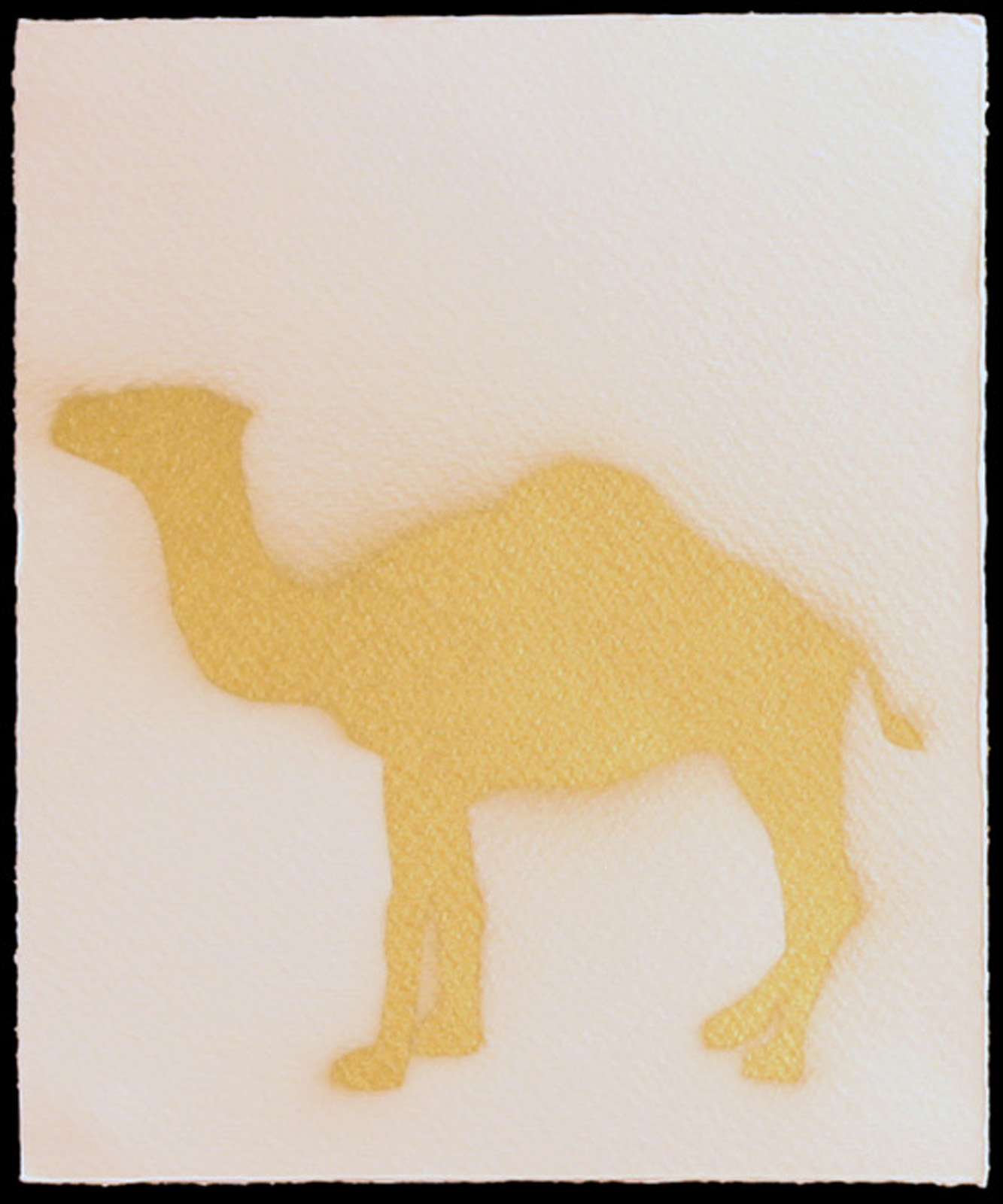
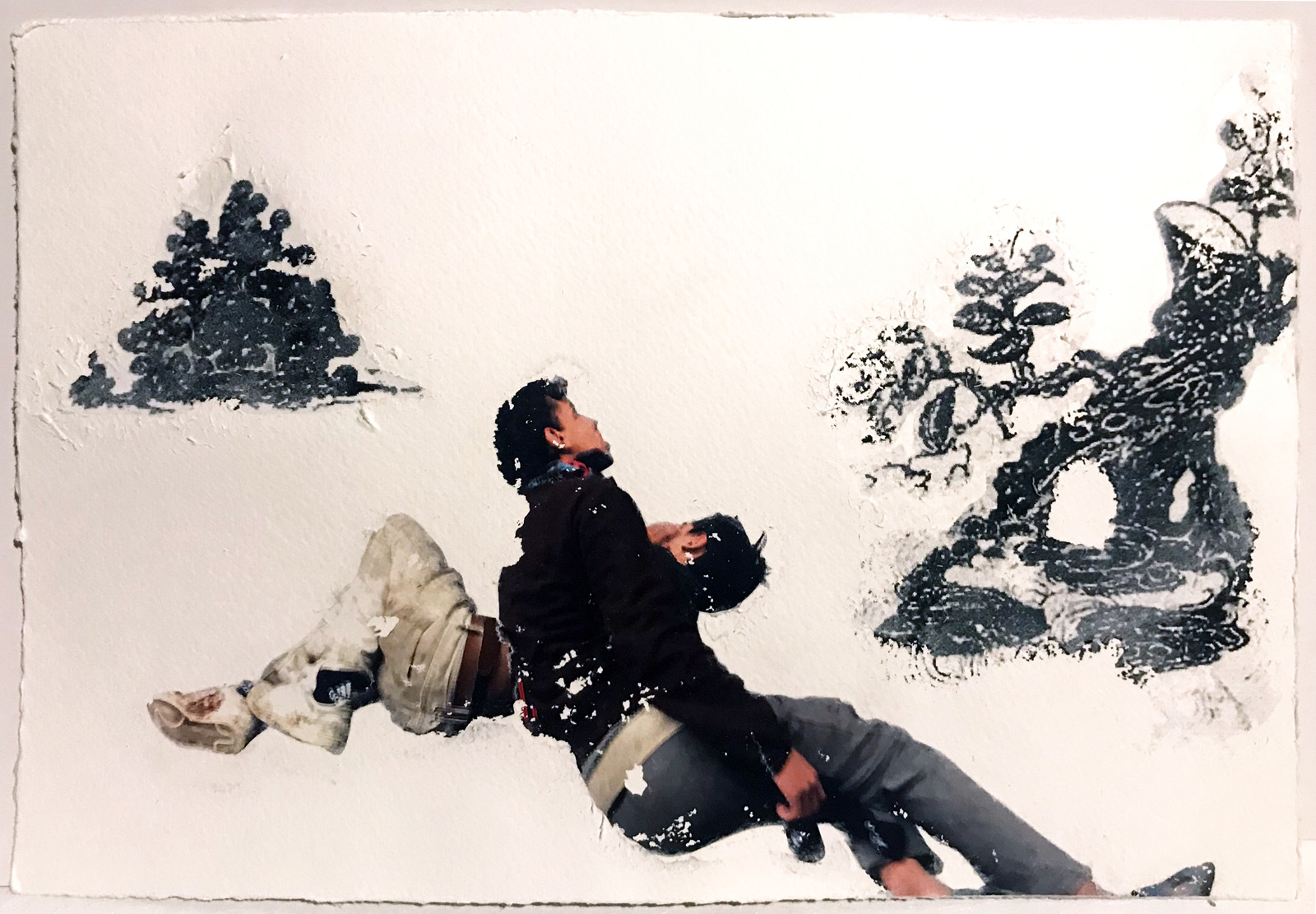
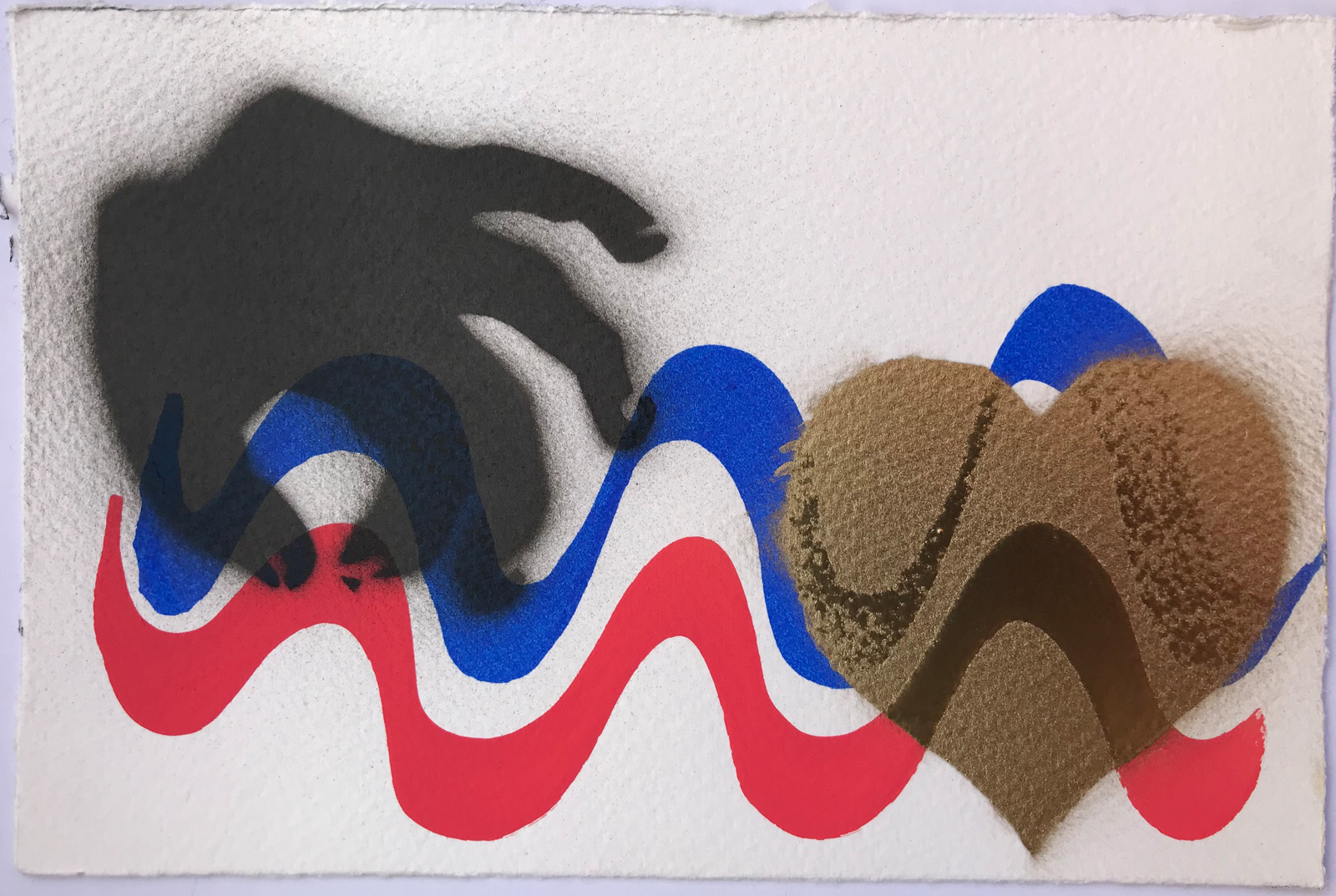
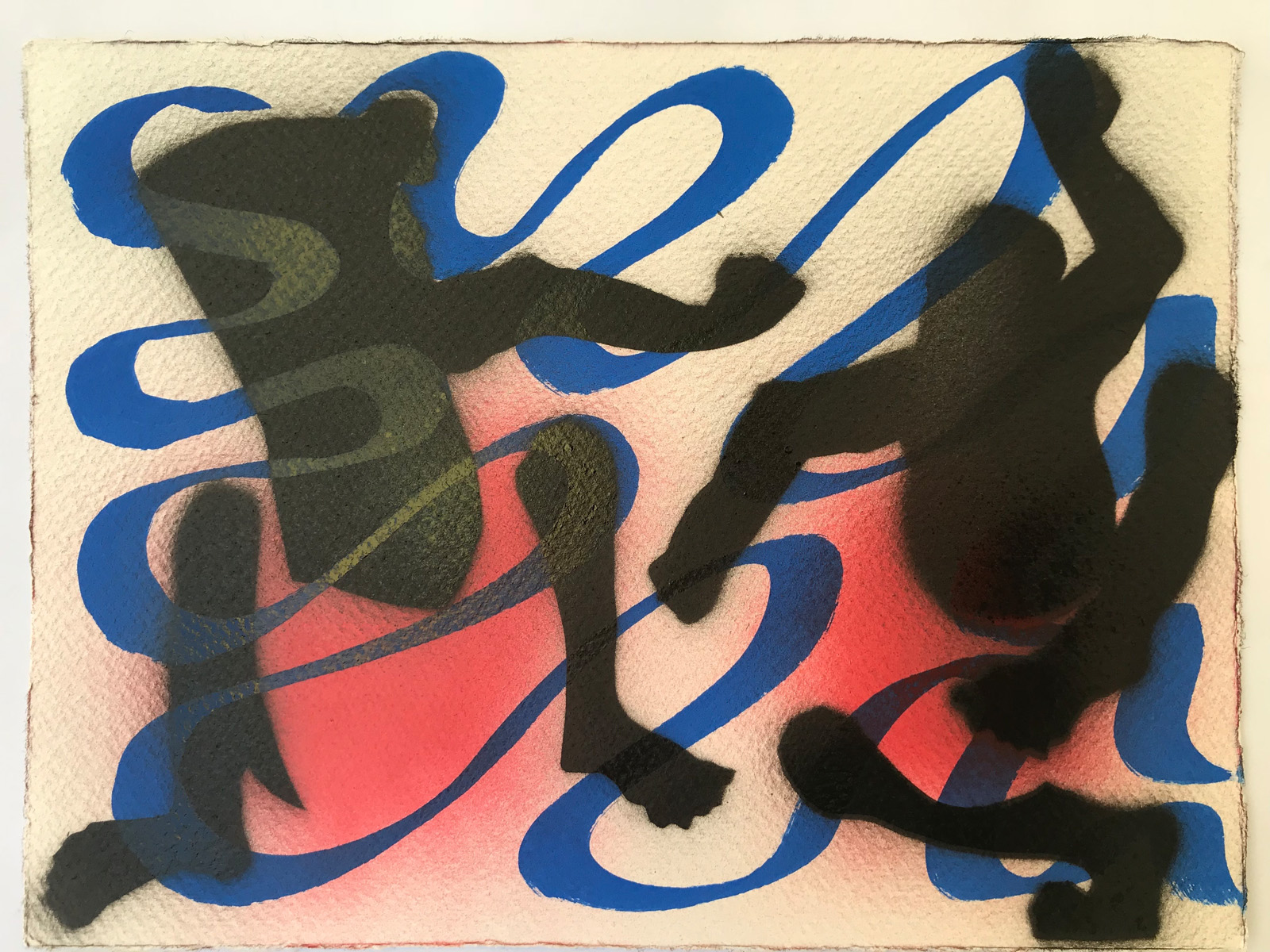
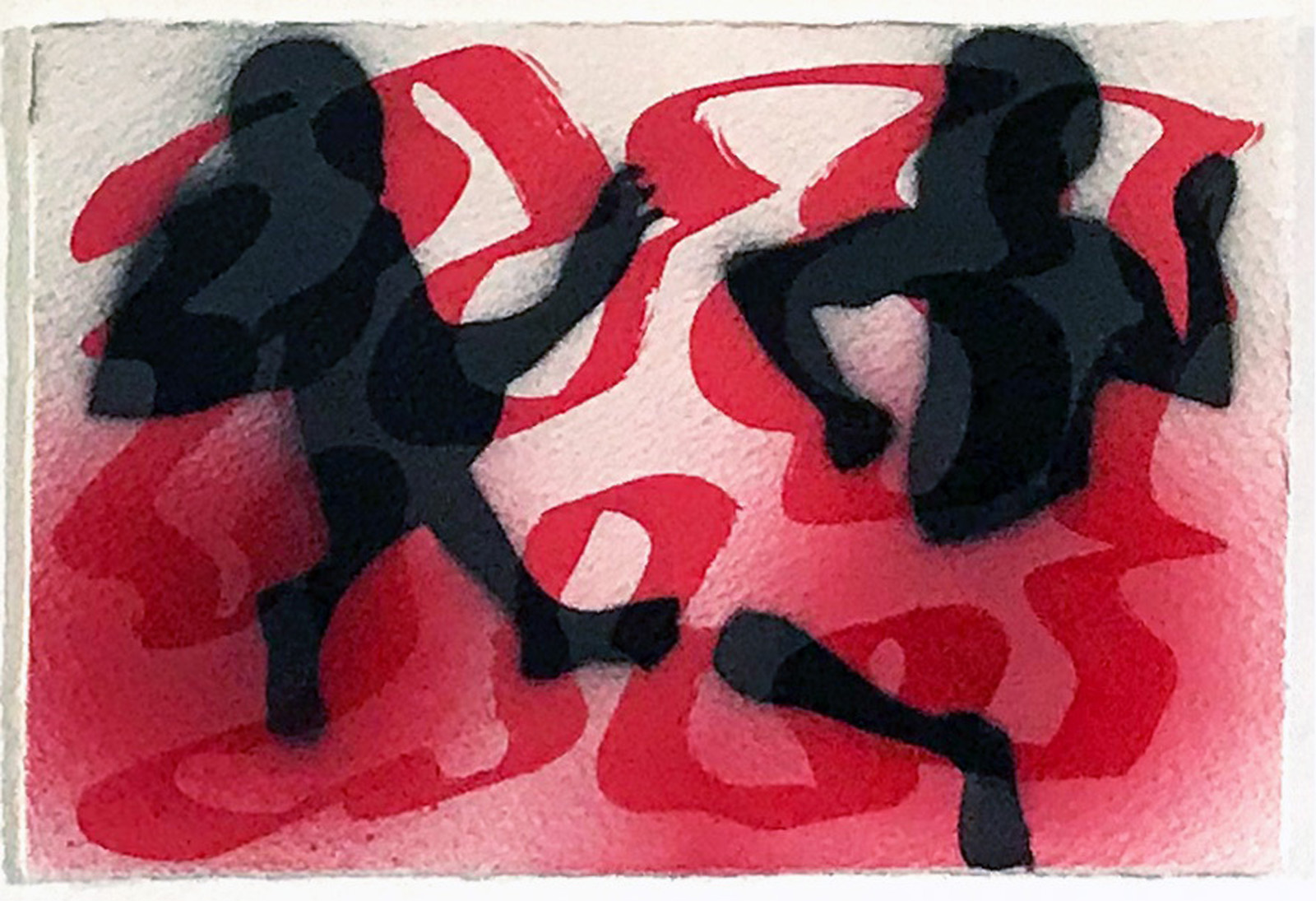
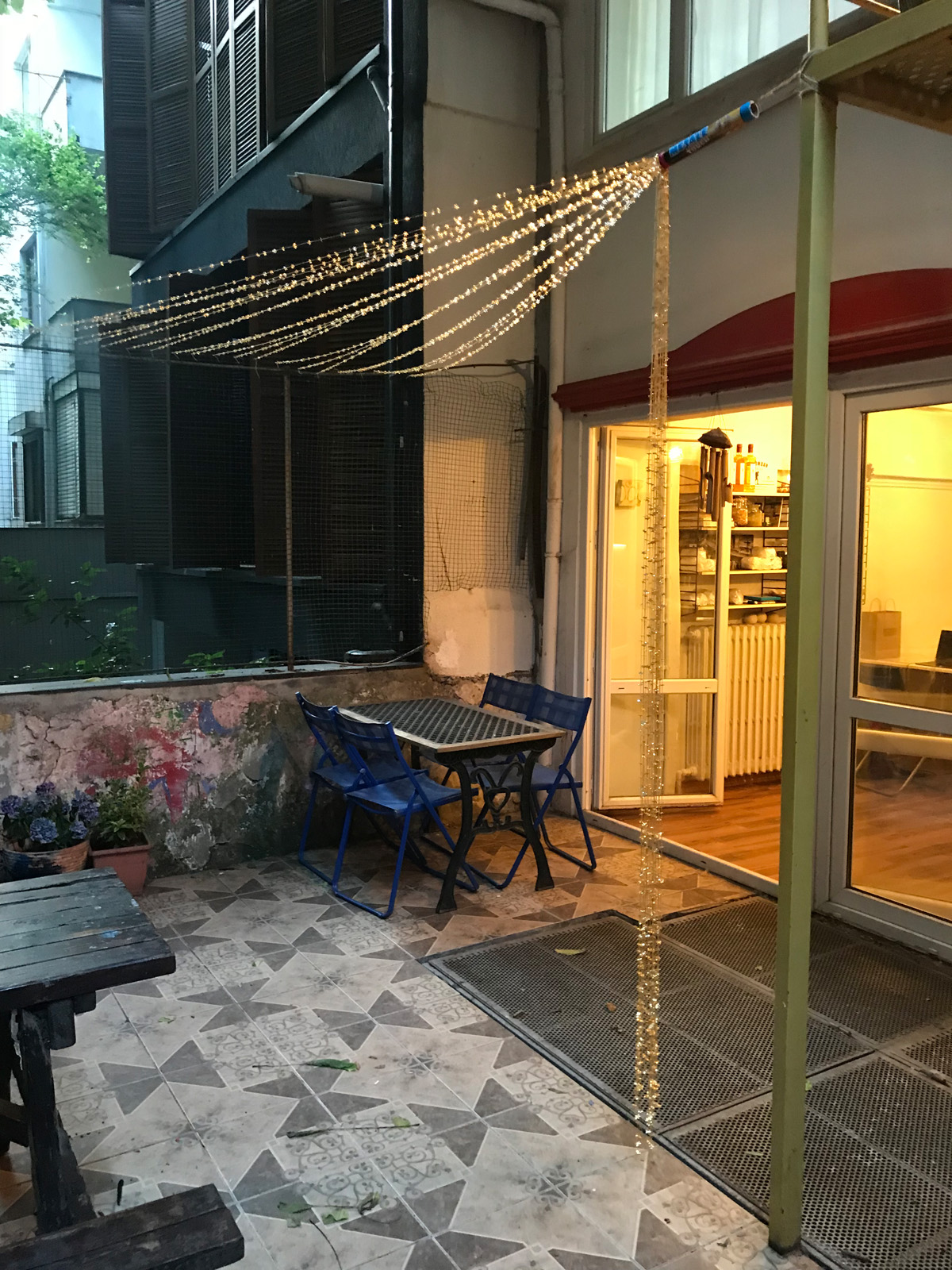
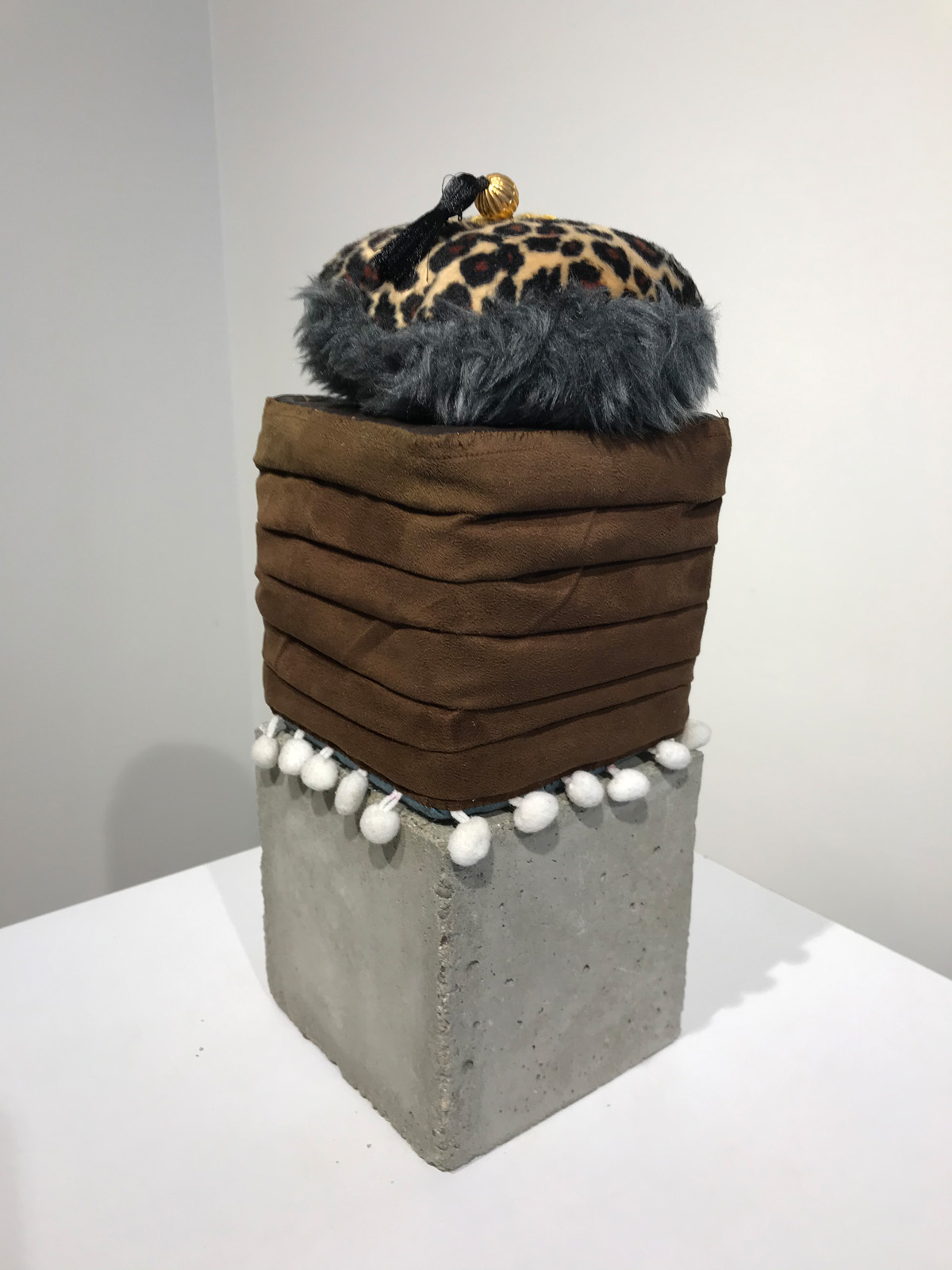
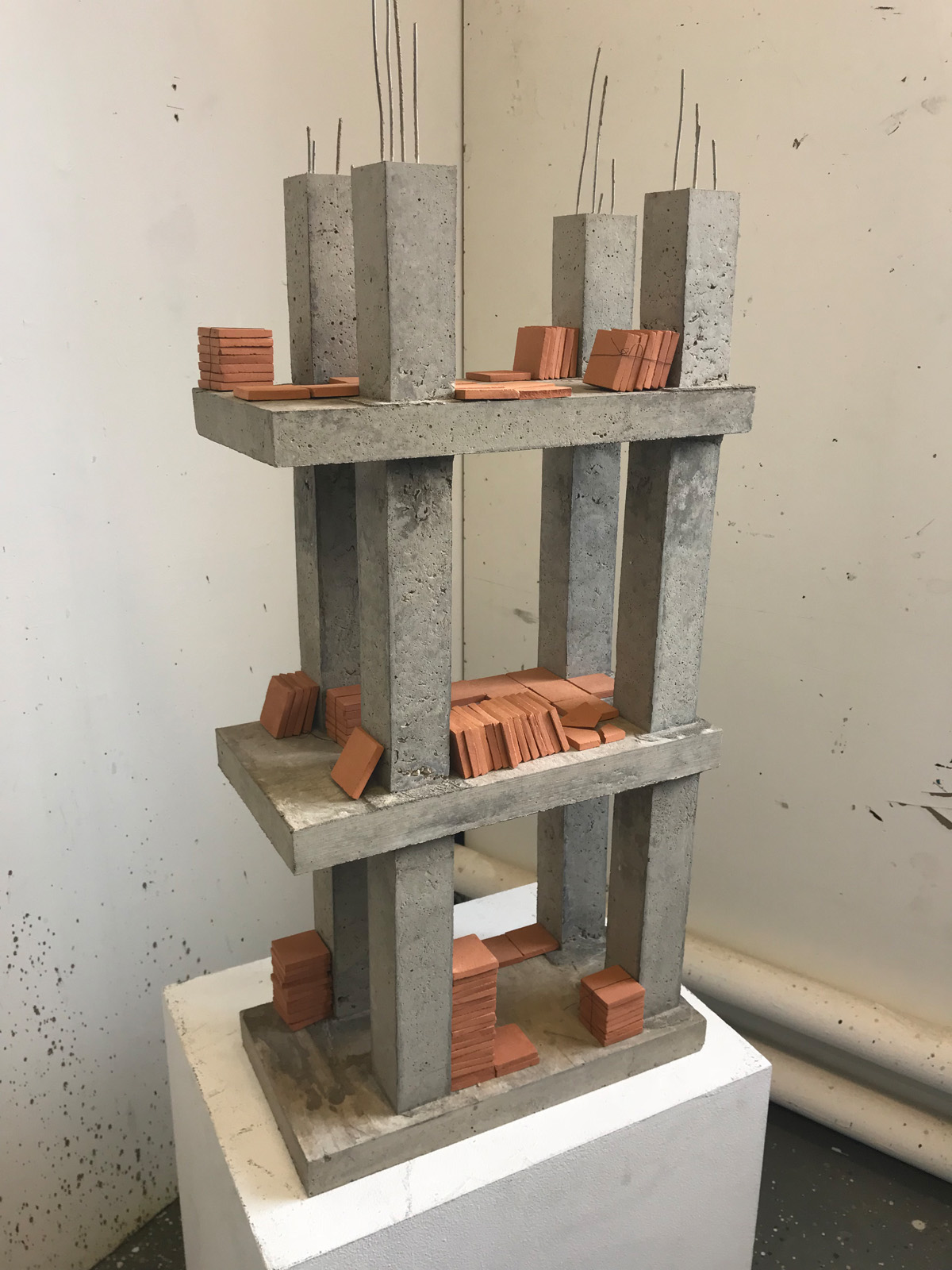
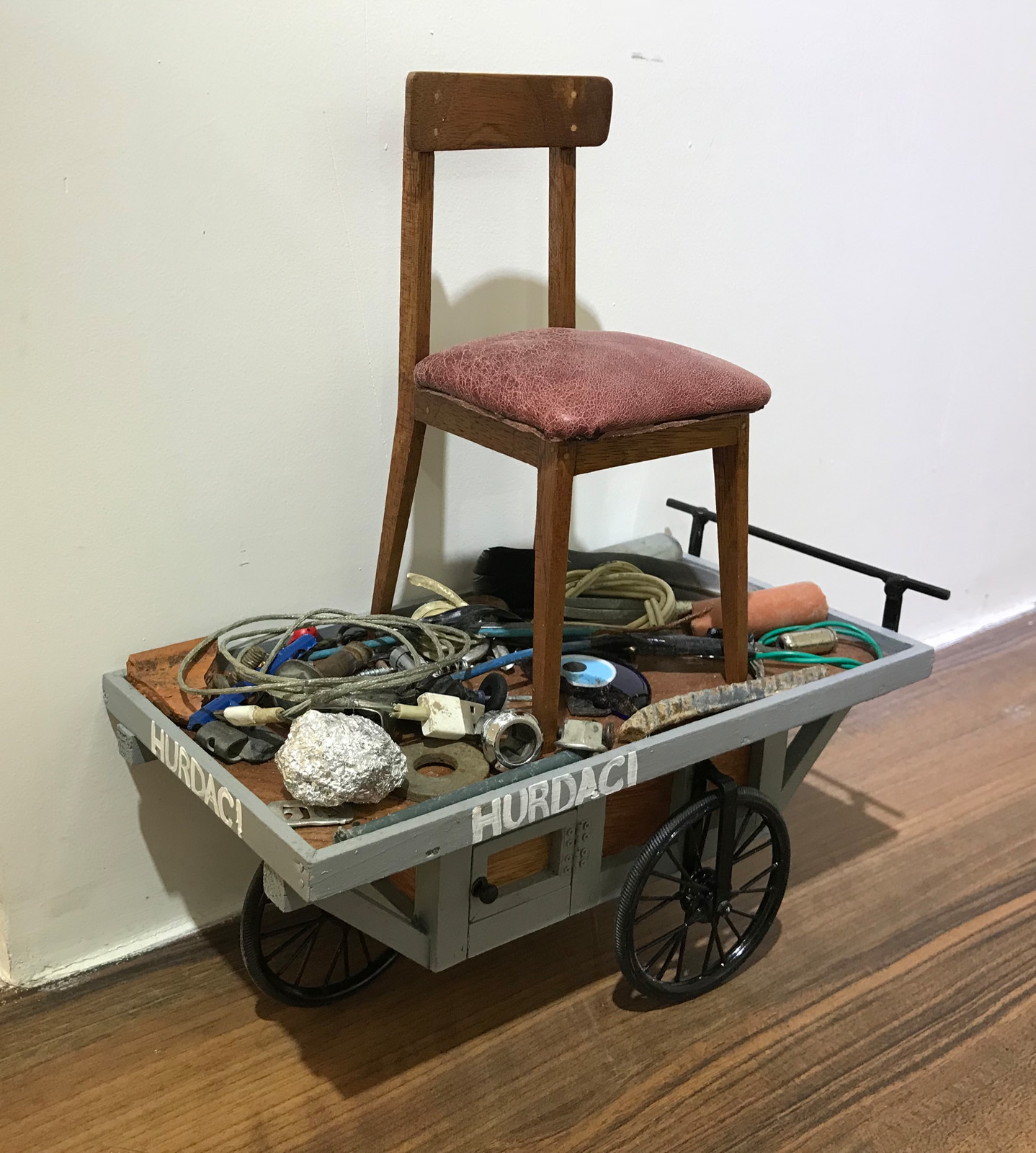
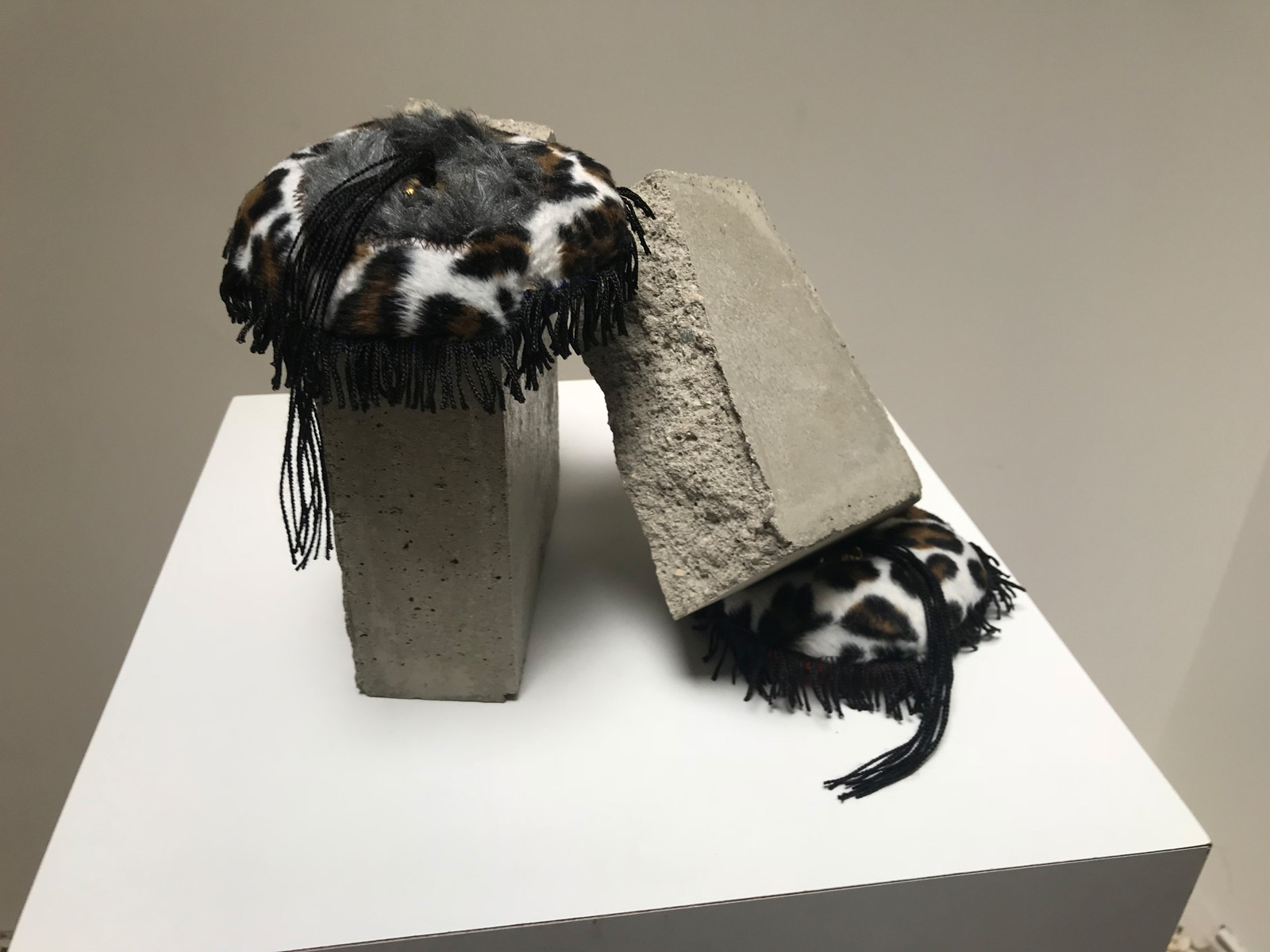
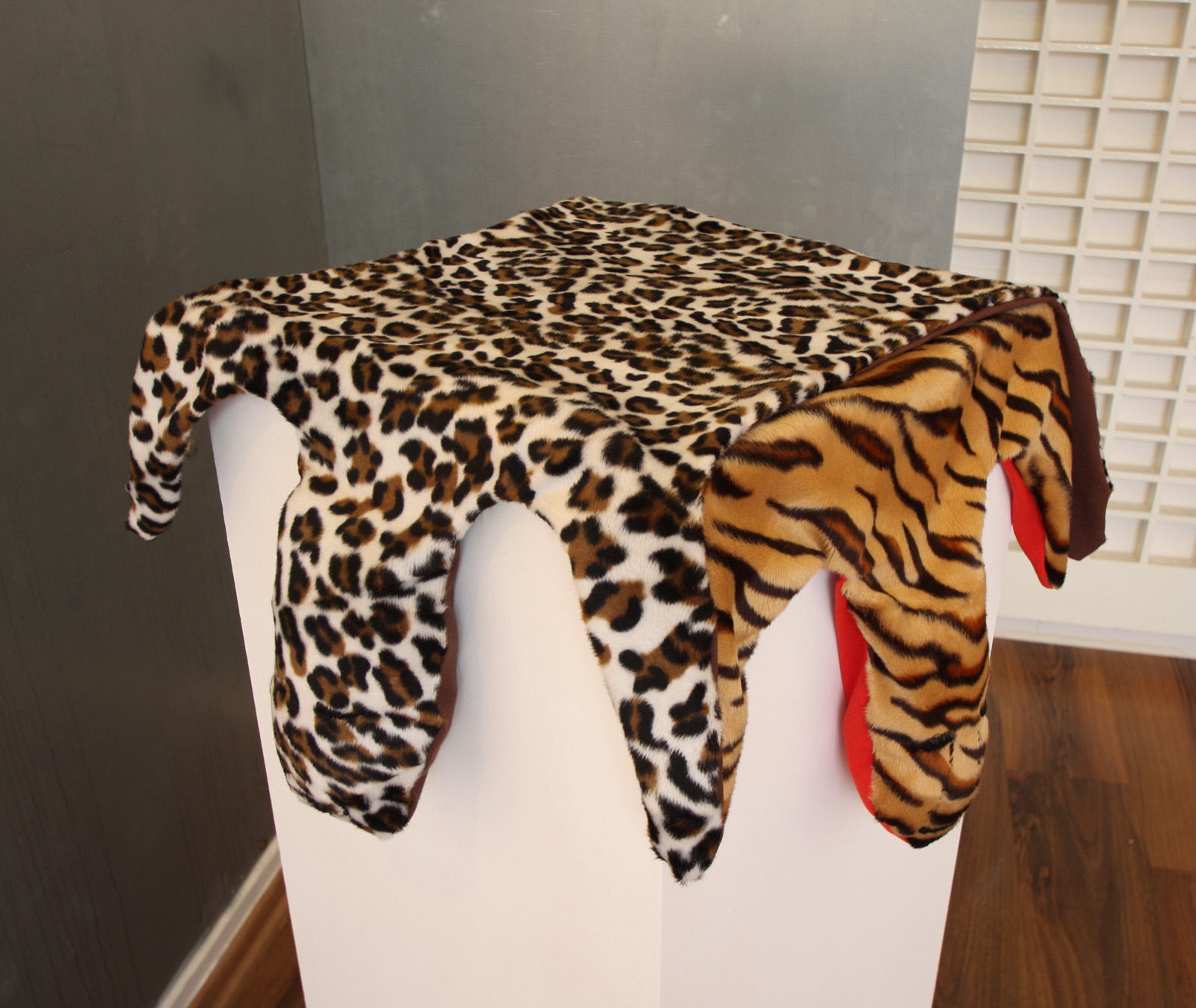
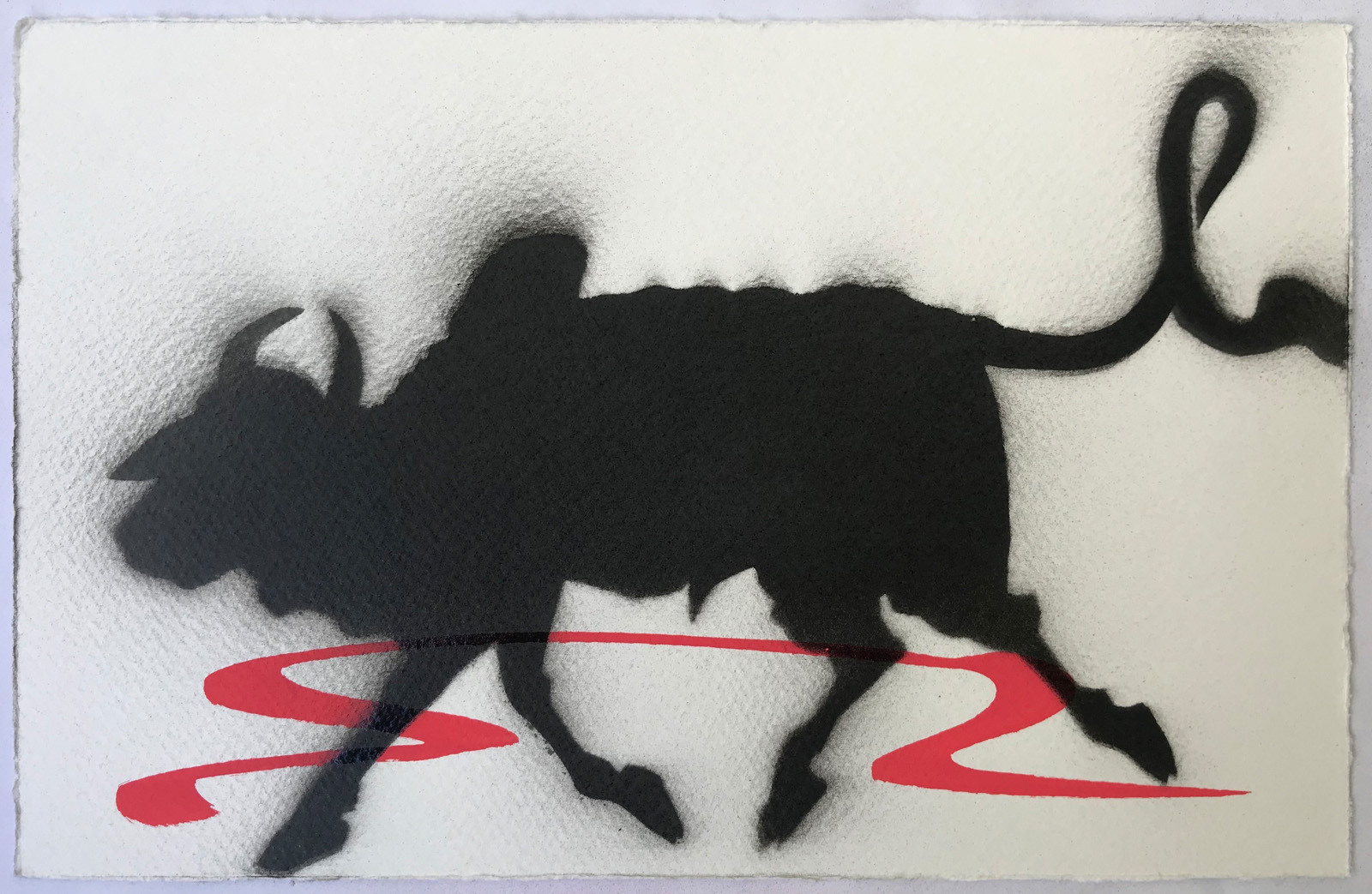
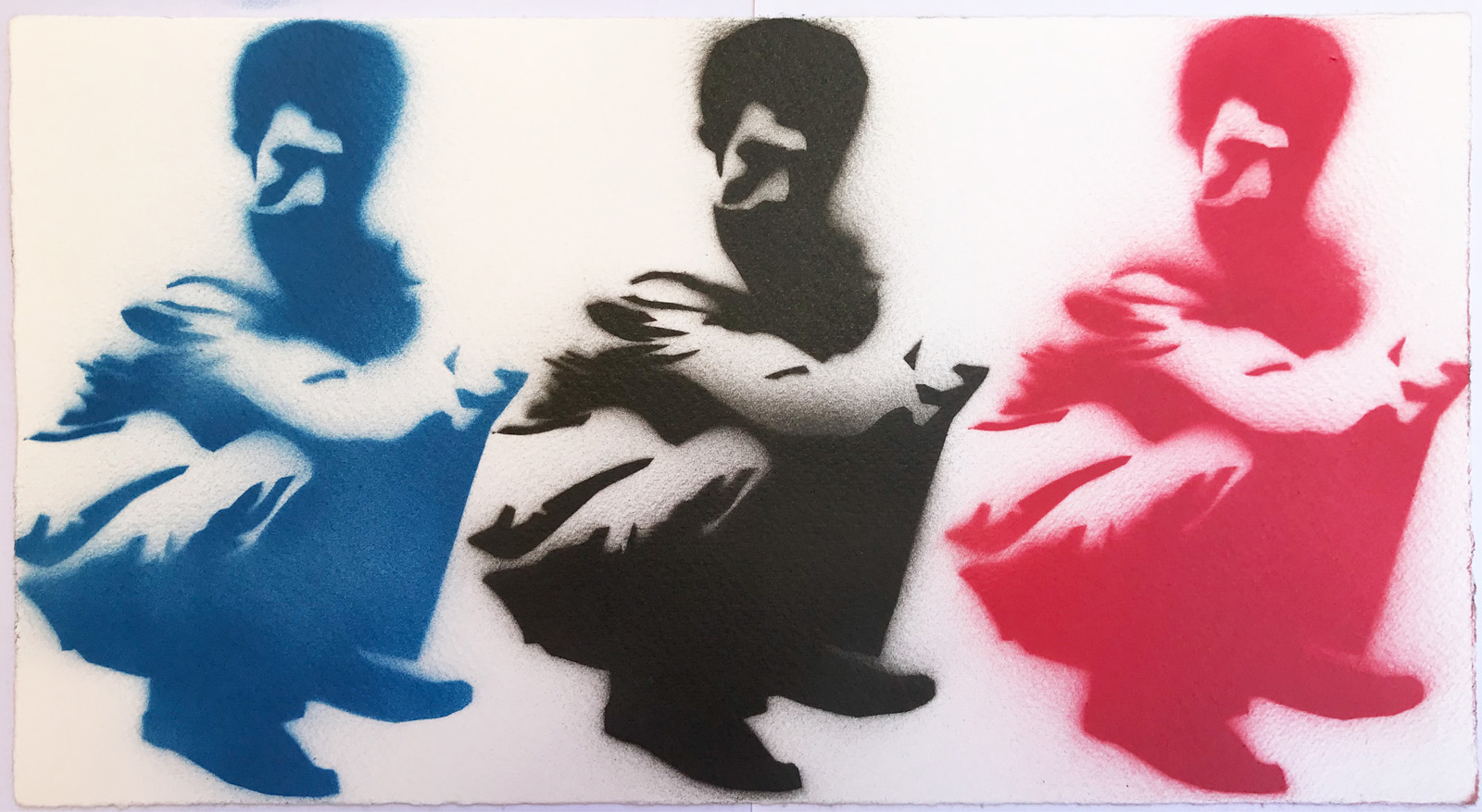
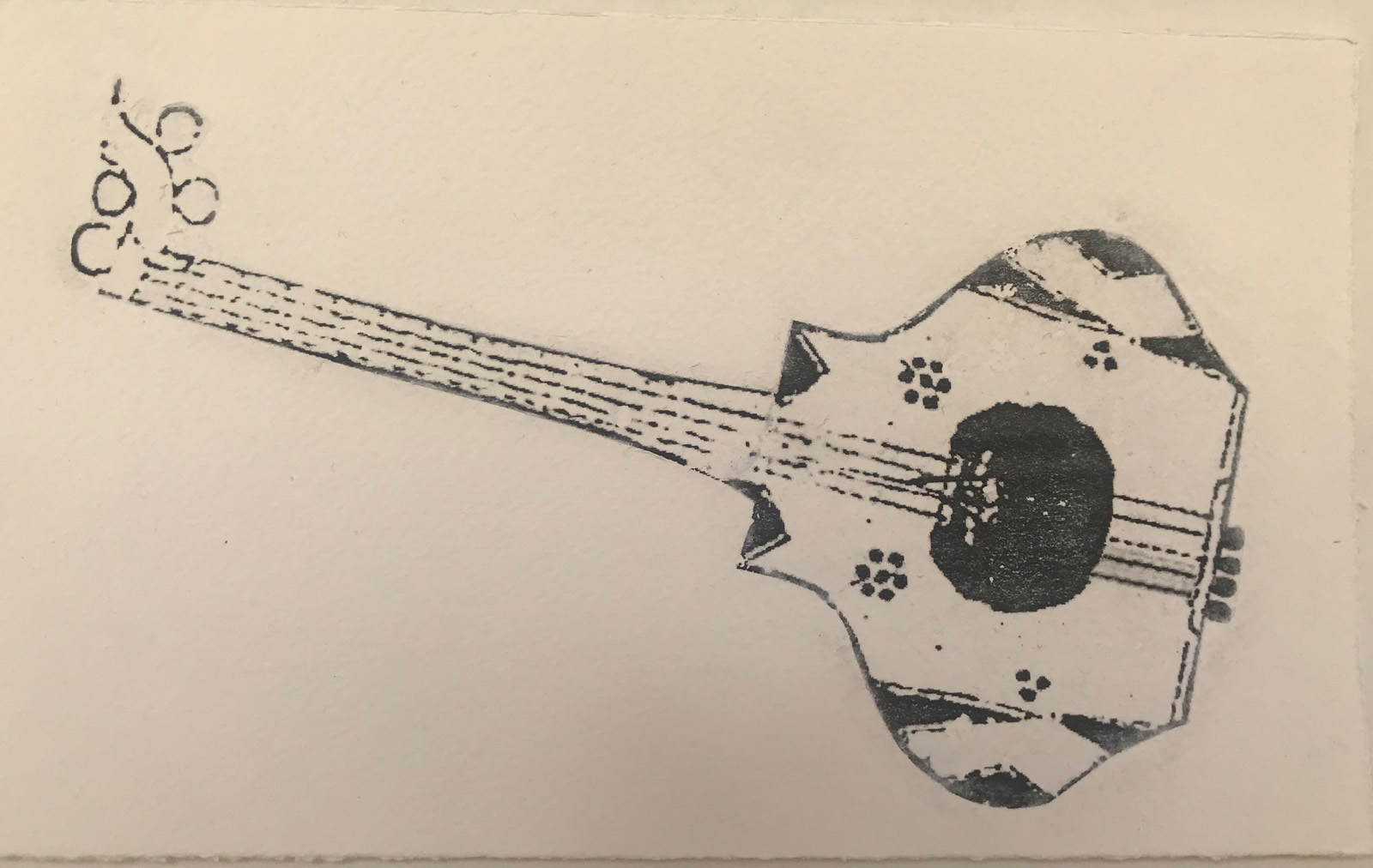
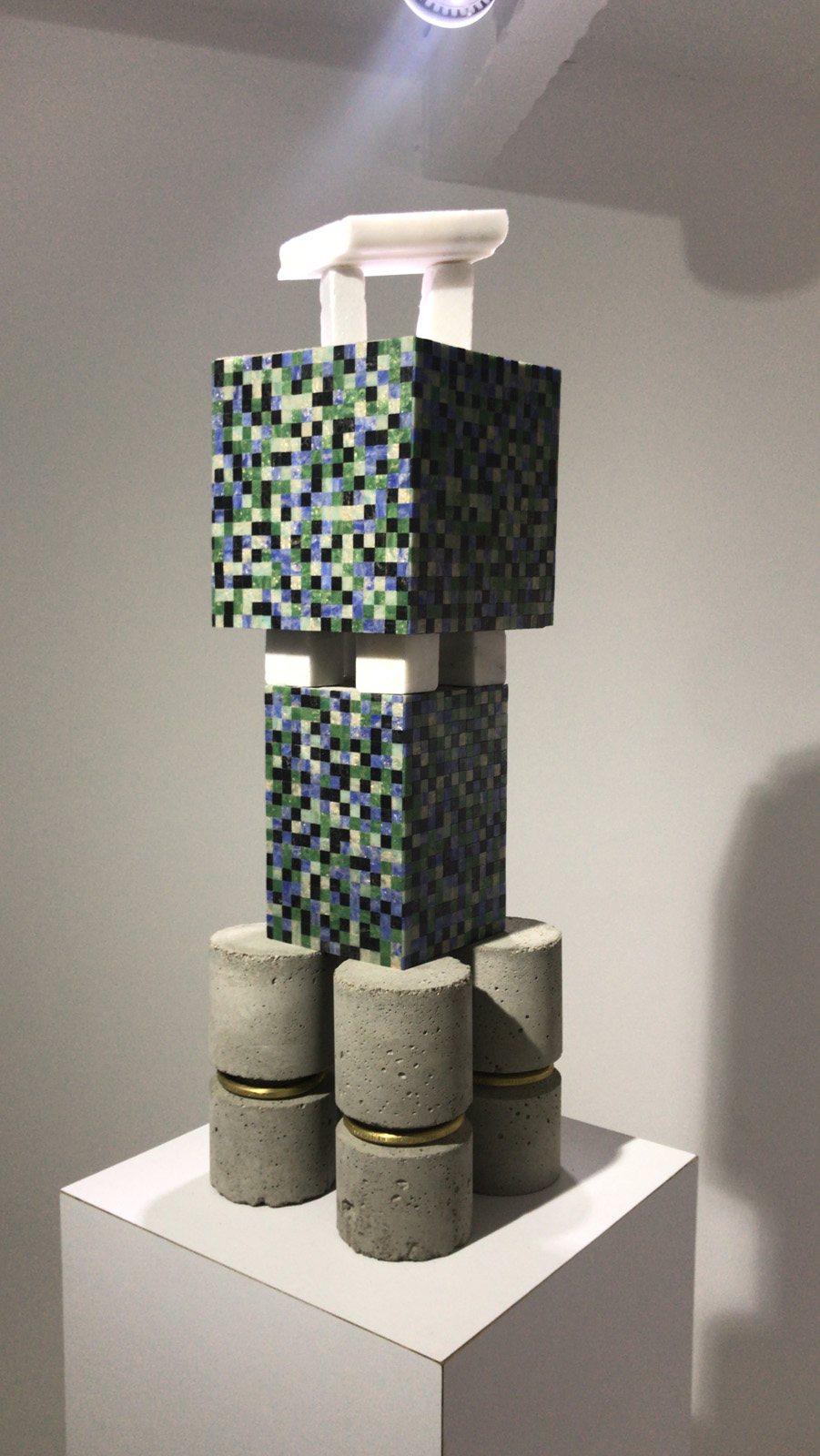
Ten years later, following many years of living and working in the city, I returned to Siyah Kalem during a residency at Halka Sanat Project. A Nomad's Tale was the result. The exhibition consisted of thirty-seven works developed in response to thirty-seven illustrations attributed to Mehmet Siyah Kalem. Working across sculpture, assemblage, installation and drawing, I used each image as a point of departure rather than a subject to be illustrated. Graffiti marks, found materials, fragments of architecture, local crafts and observations gathered from the streets of Istanbul became woven together with Siyah Kalem's original characters to create a new series of encounters.
Looking back, this project marked the beginning of a much larger journey. Through Siyah Kalem I began to understand the city differently. His drawings became a lens through which to observe contemporary Istanbul and a way of thinking about how people, places and stories persist through time. Many of the ideas that would later emerge in The Book of Streets, The Black Pen Project and Şeytan Tüyü can be traced back to this moment, when the figures of a wandering storyteller from the Silk Road first began to reappear in the streets of a modern city.
A Nomad's Tale
2018 · Halka Sanat Projesi · Istanbul
A Nomad's Tale
2018 · Halka Sanat Projesi · Istanbul
A Nomad's Tale
A short documentary about my artist residency and exhibition at Halka Sanat Projesi.
A film by Matthew Lewis.
Thirty-Seven Encounters
The exhibition consisted of thirty-seven individual works developed in response to thirty-seven illustrations attributed to Mehmet Siyah Kalem. Together they formed a contemporary retelling of a much older story, drawing connections between the cultures of the Silk Road and the streets of modern Istanbul.
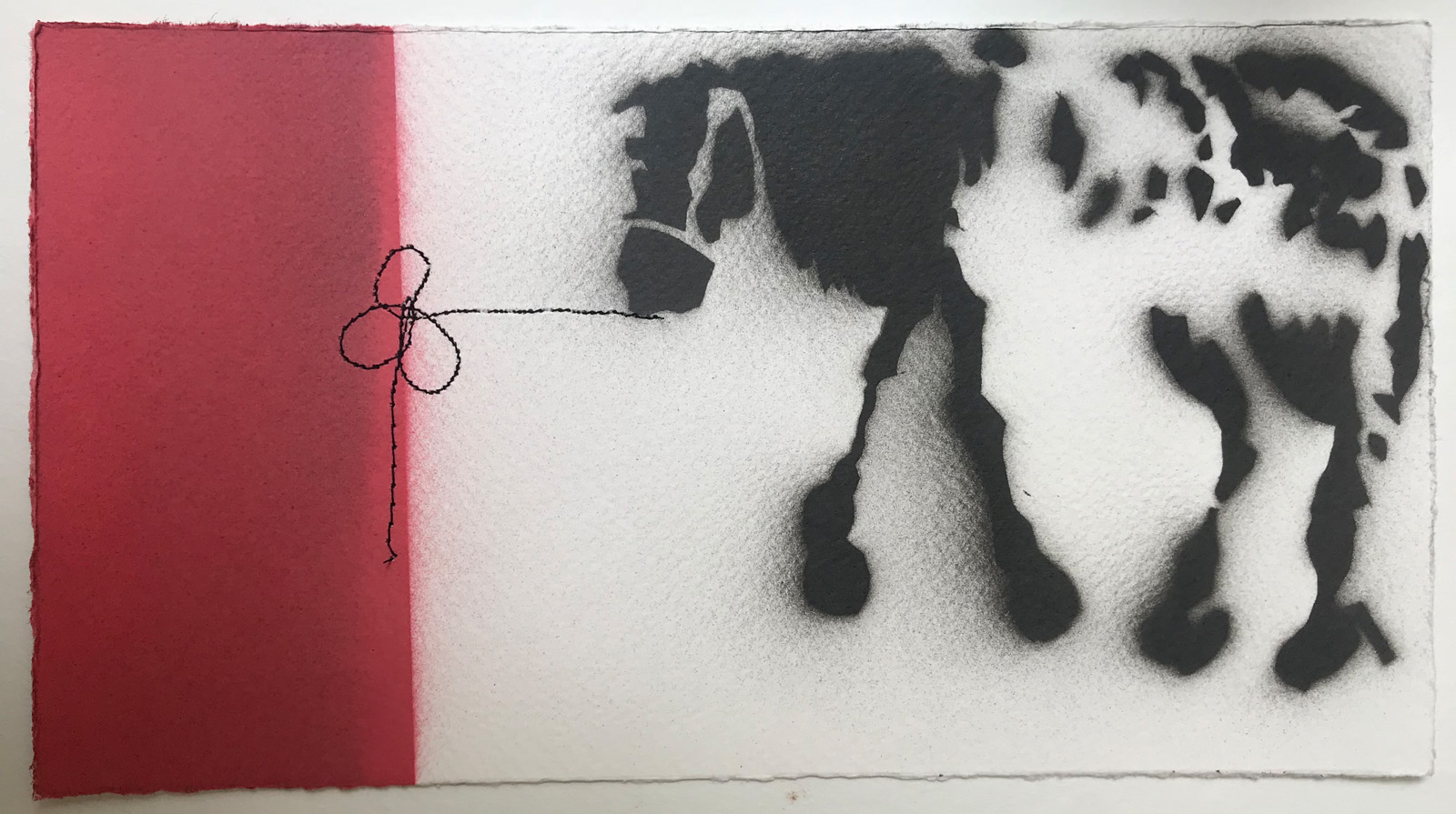
A Stubborn Donkey
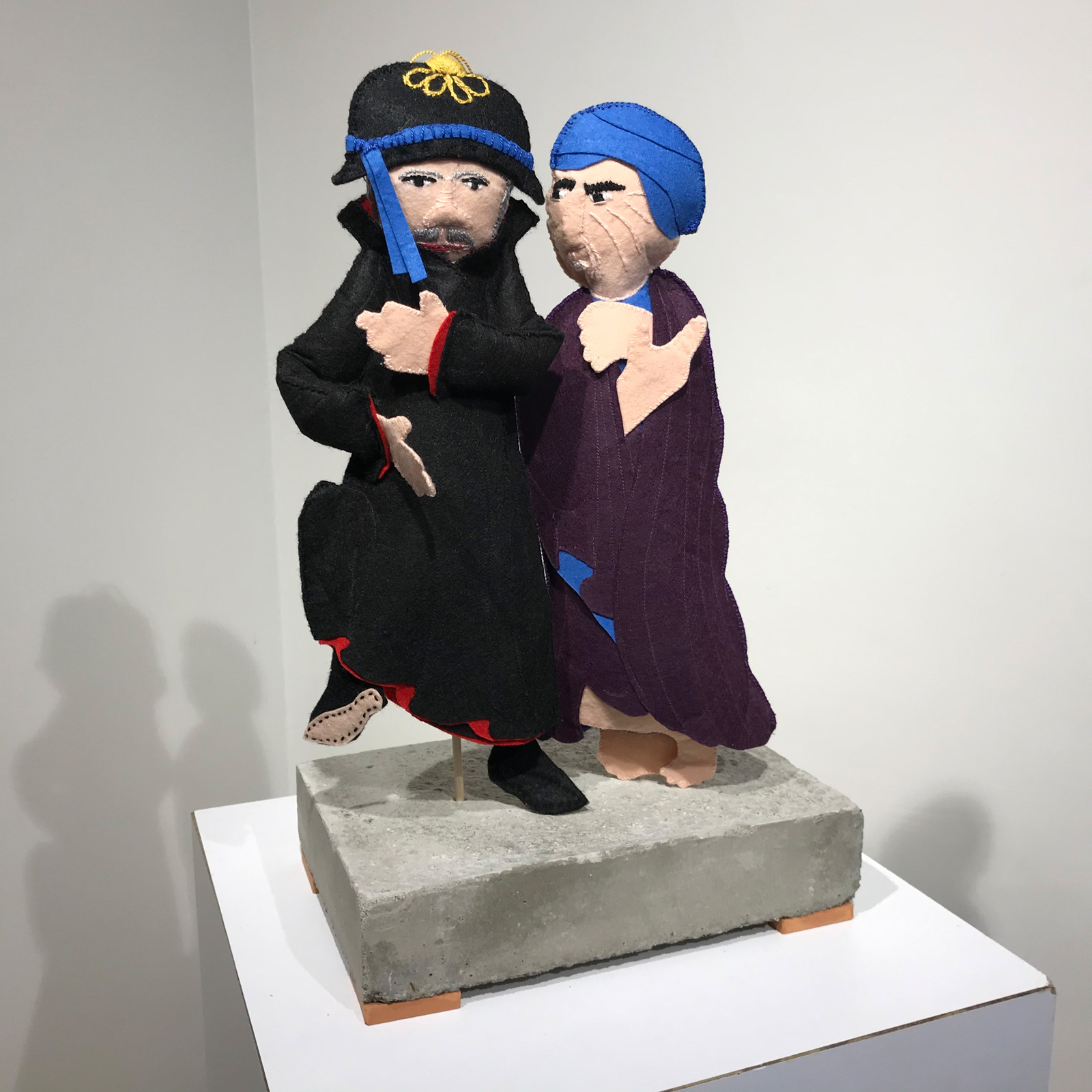
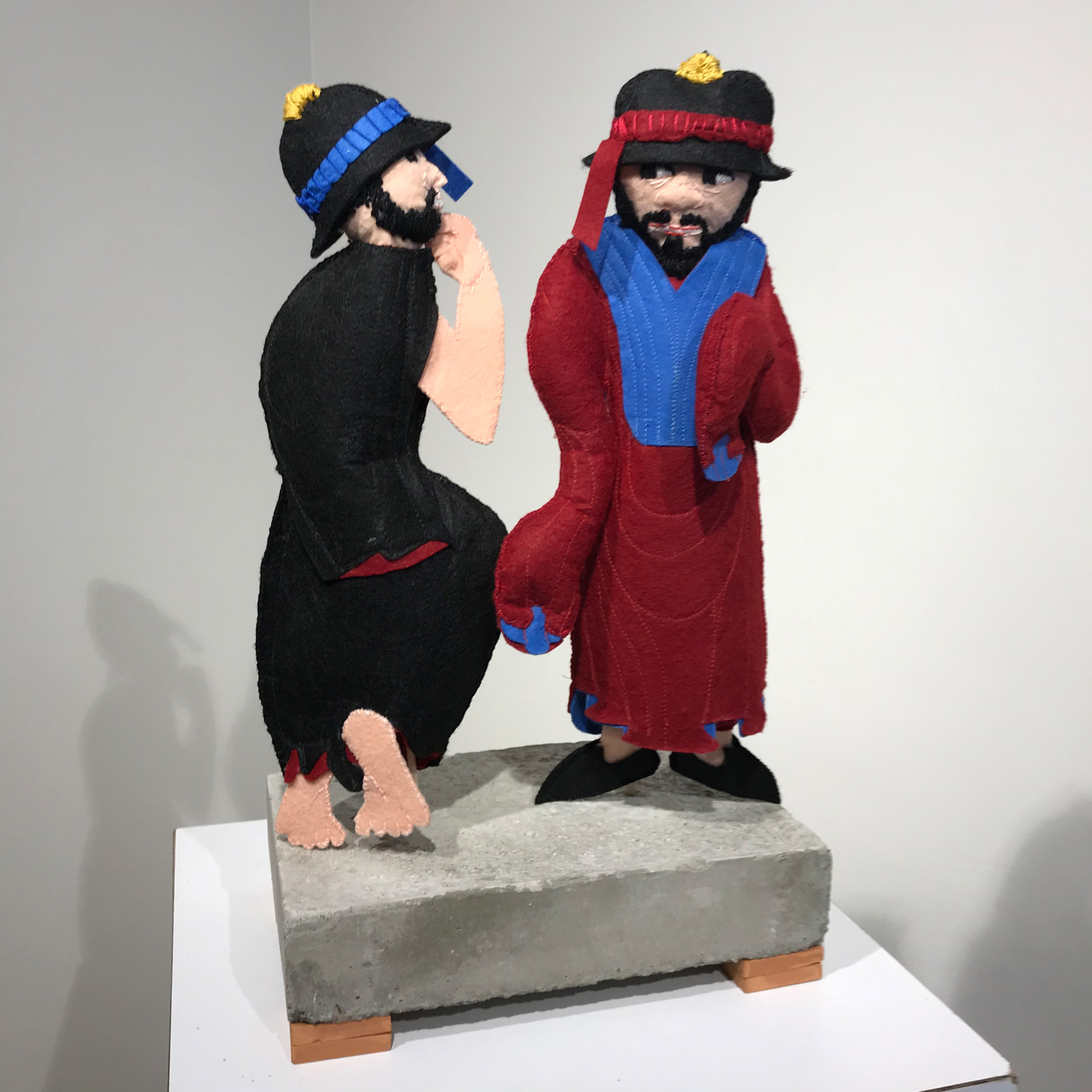
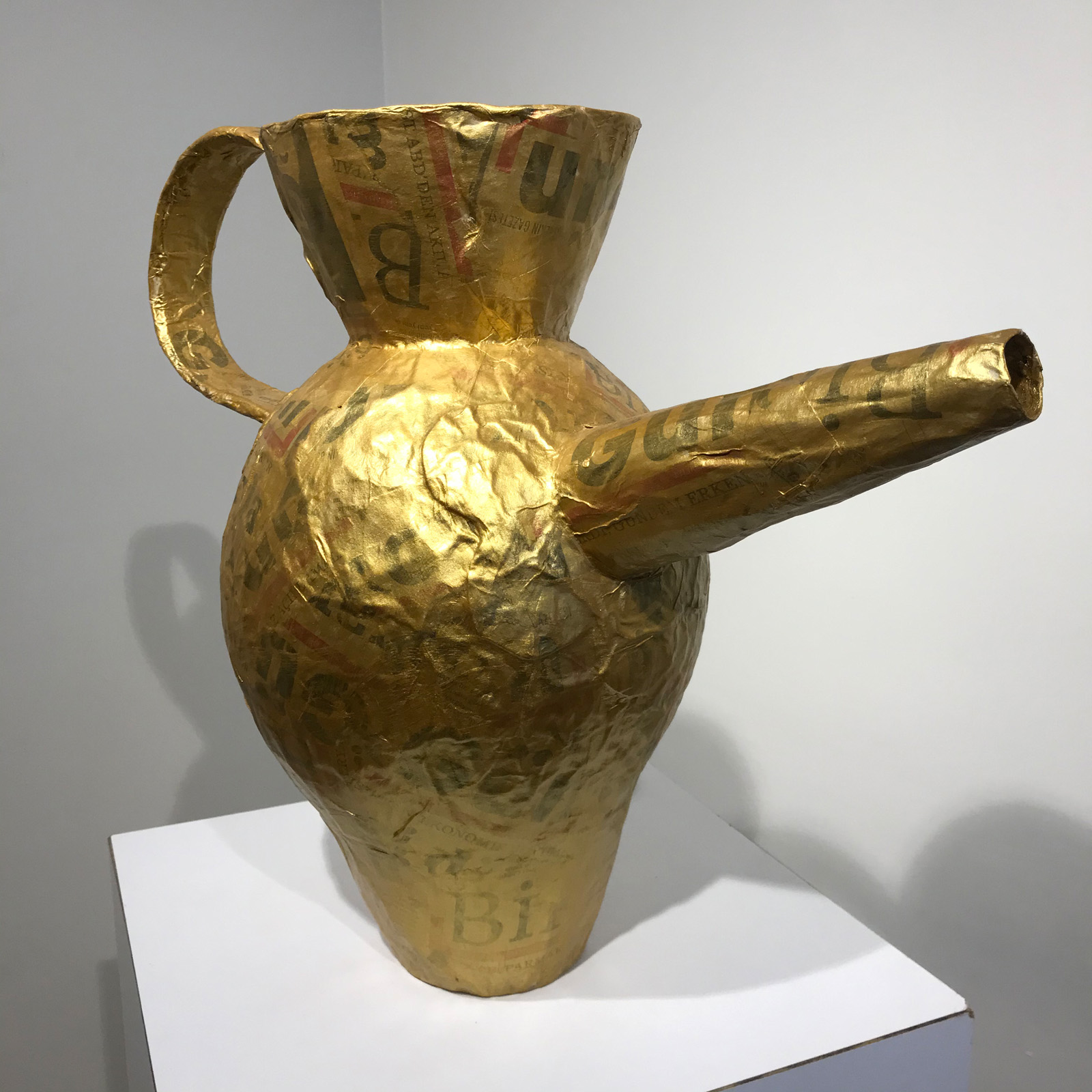
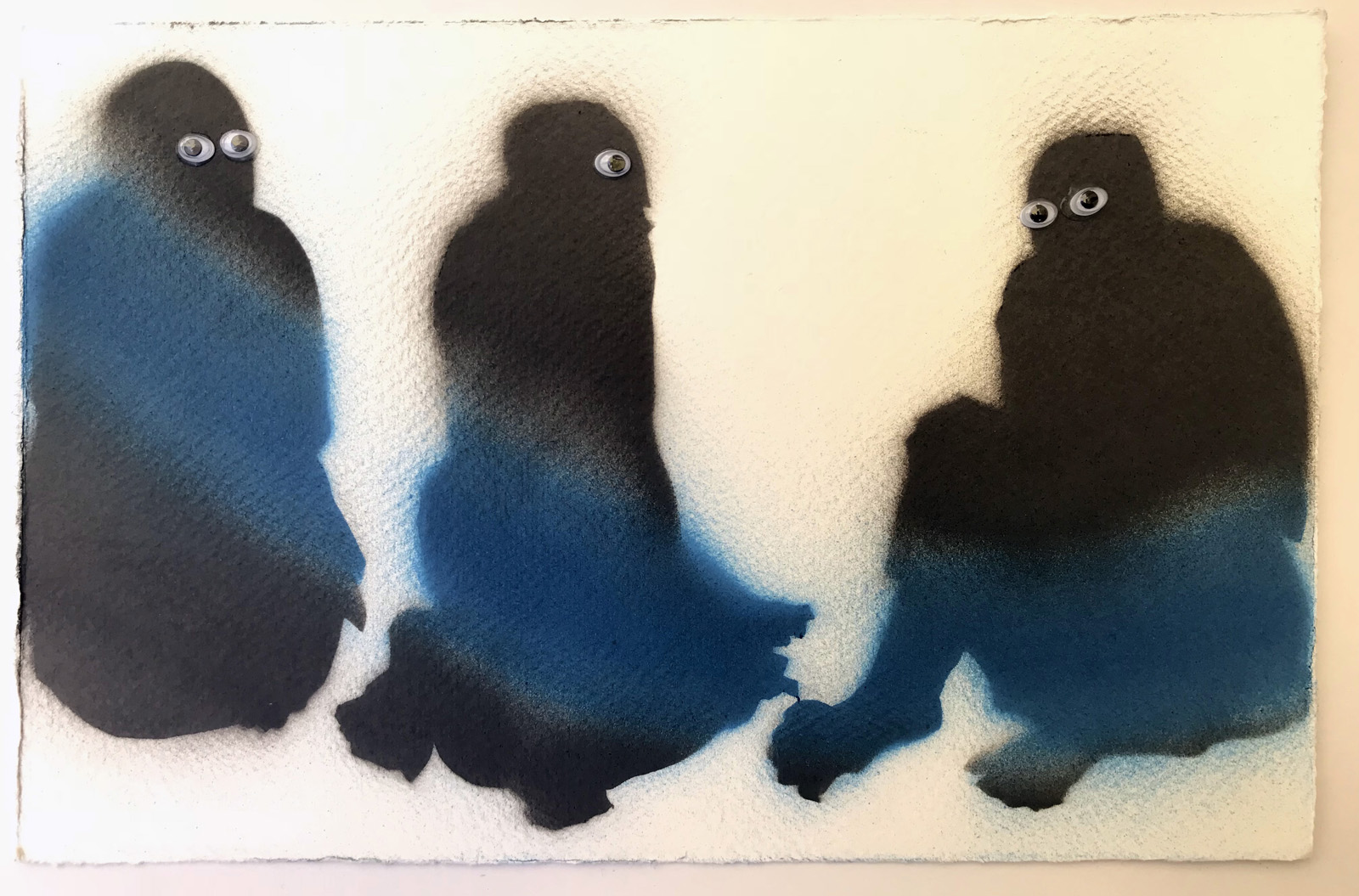
A Group of Three
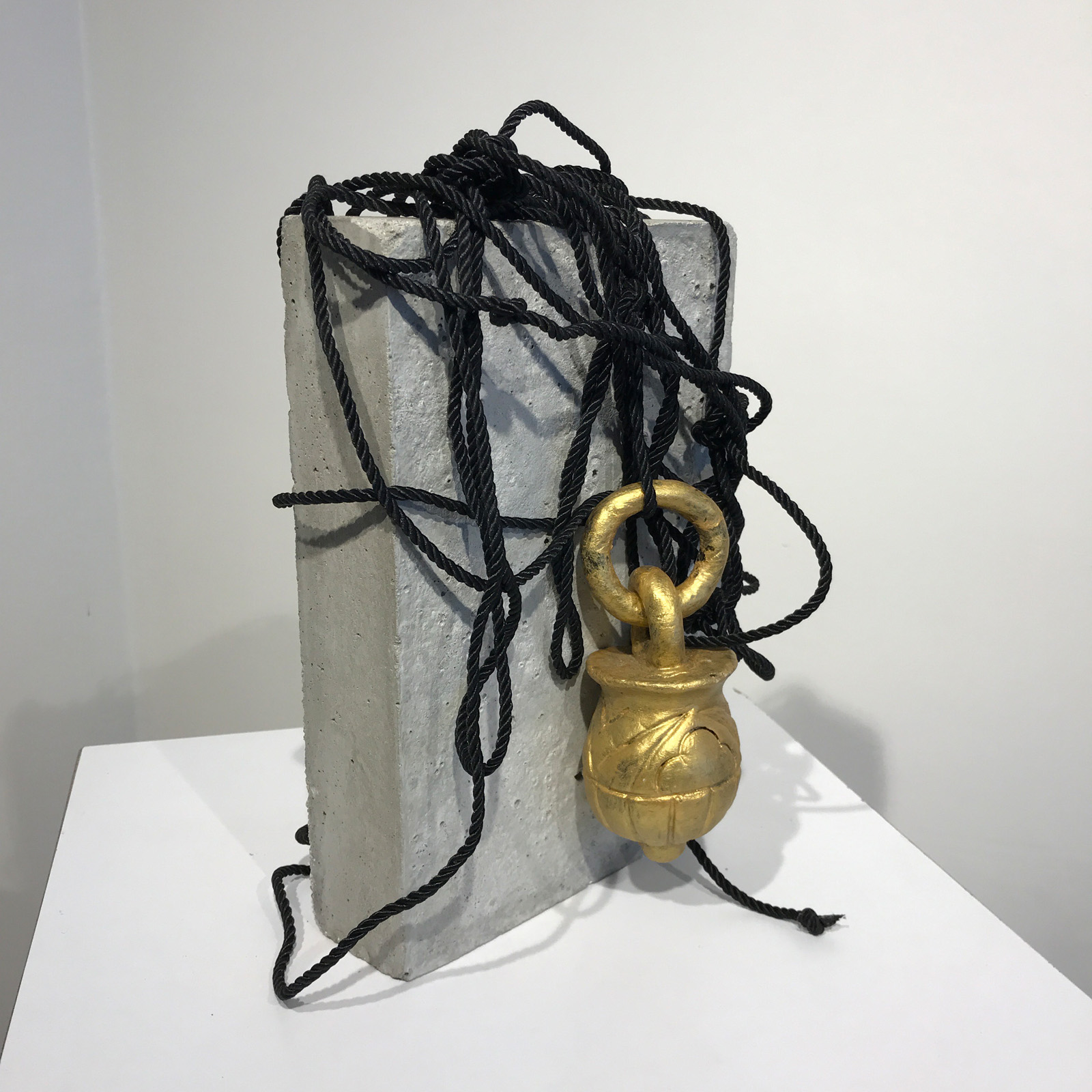
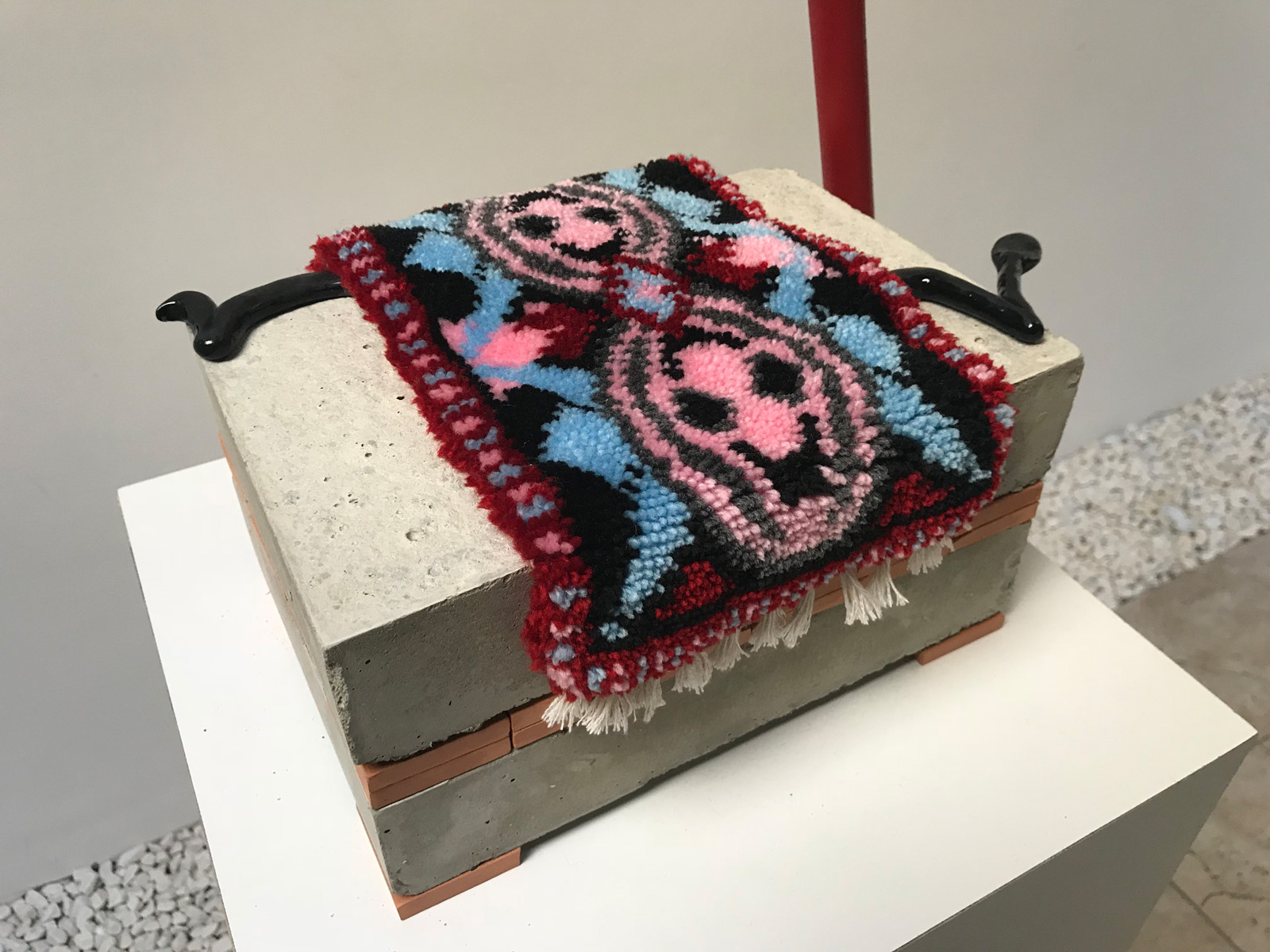
Squabbling Priests
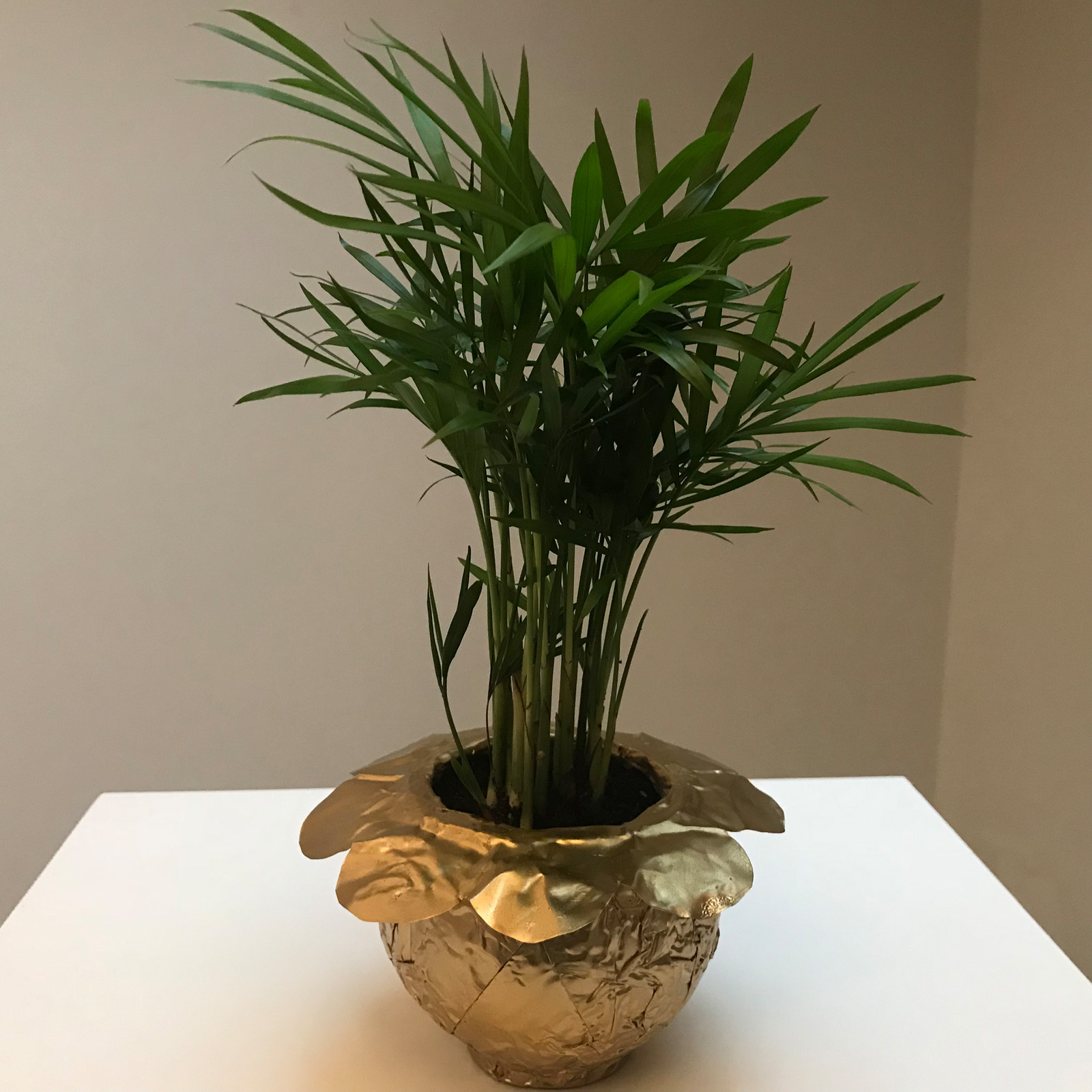
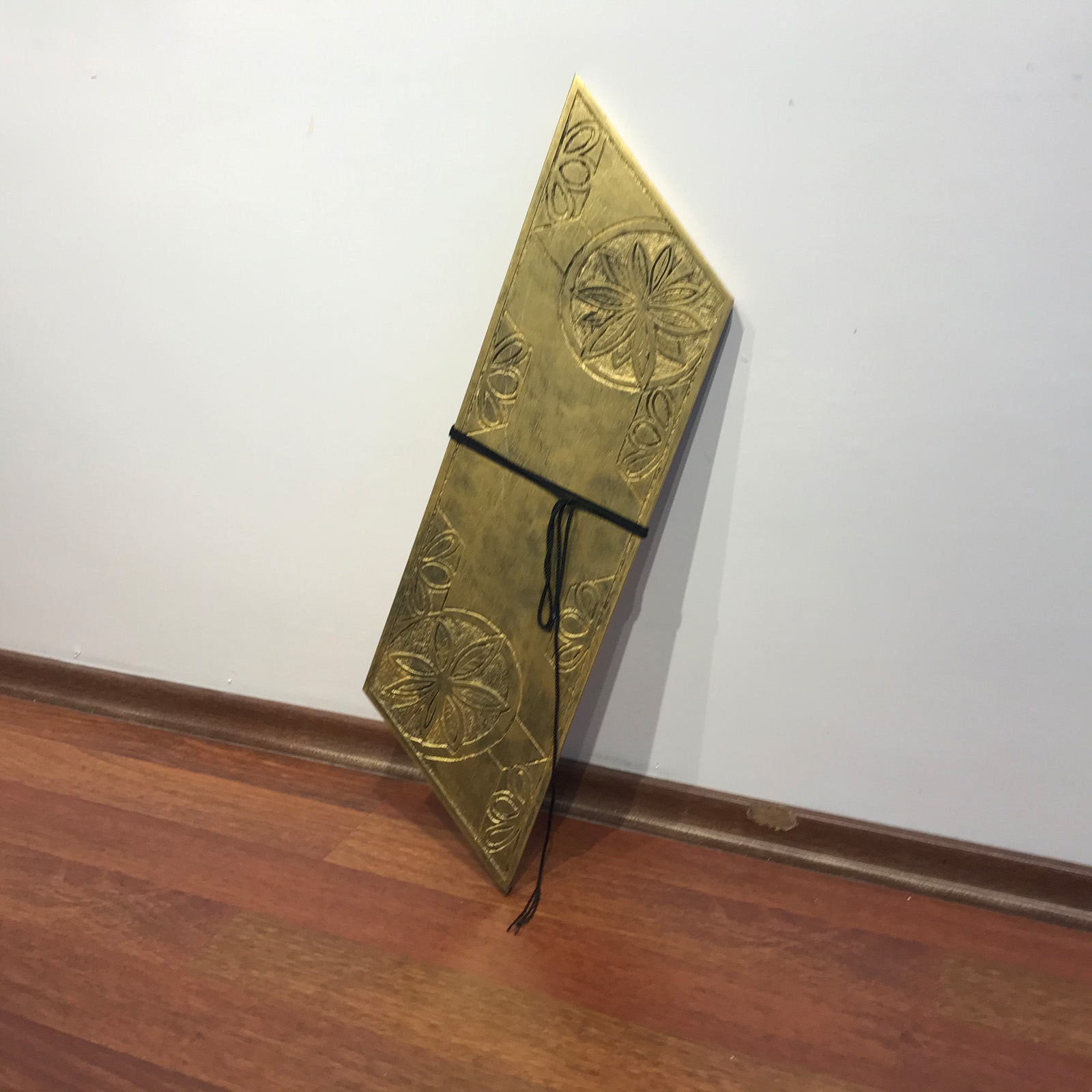
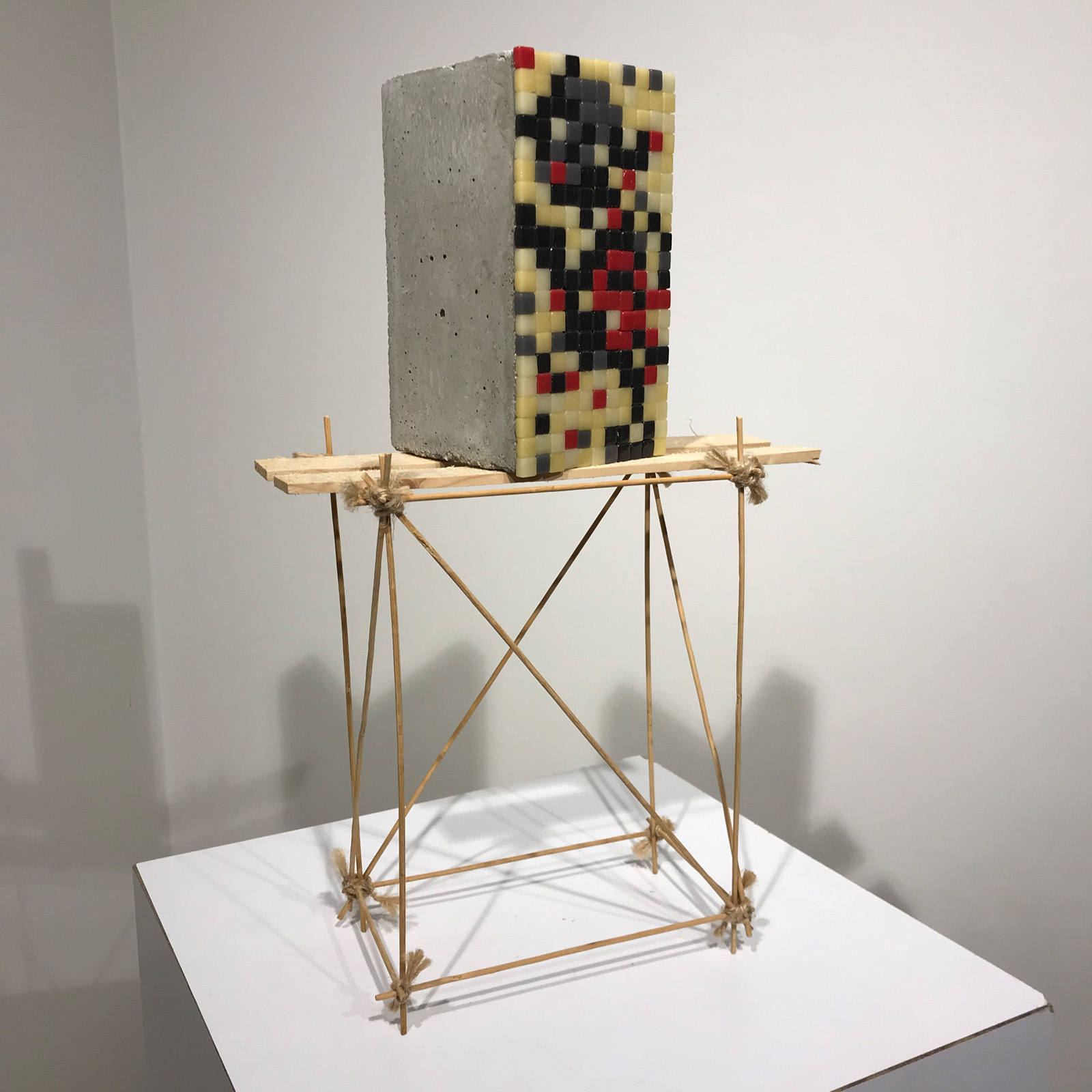
Balance Dance
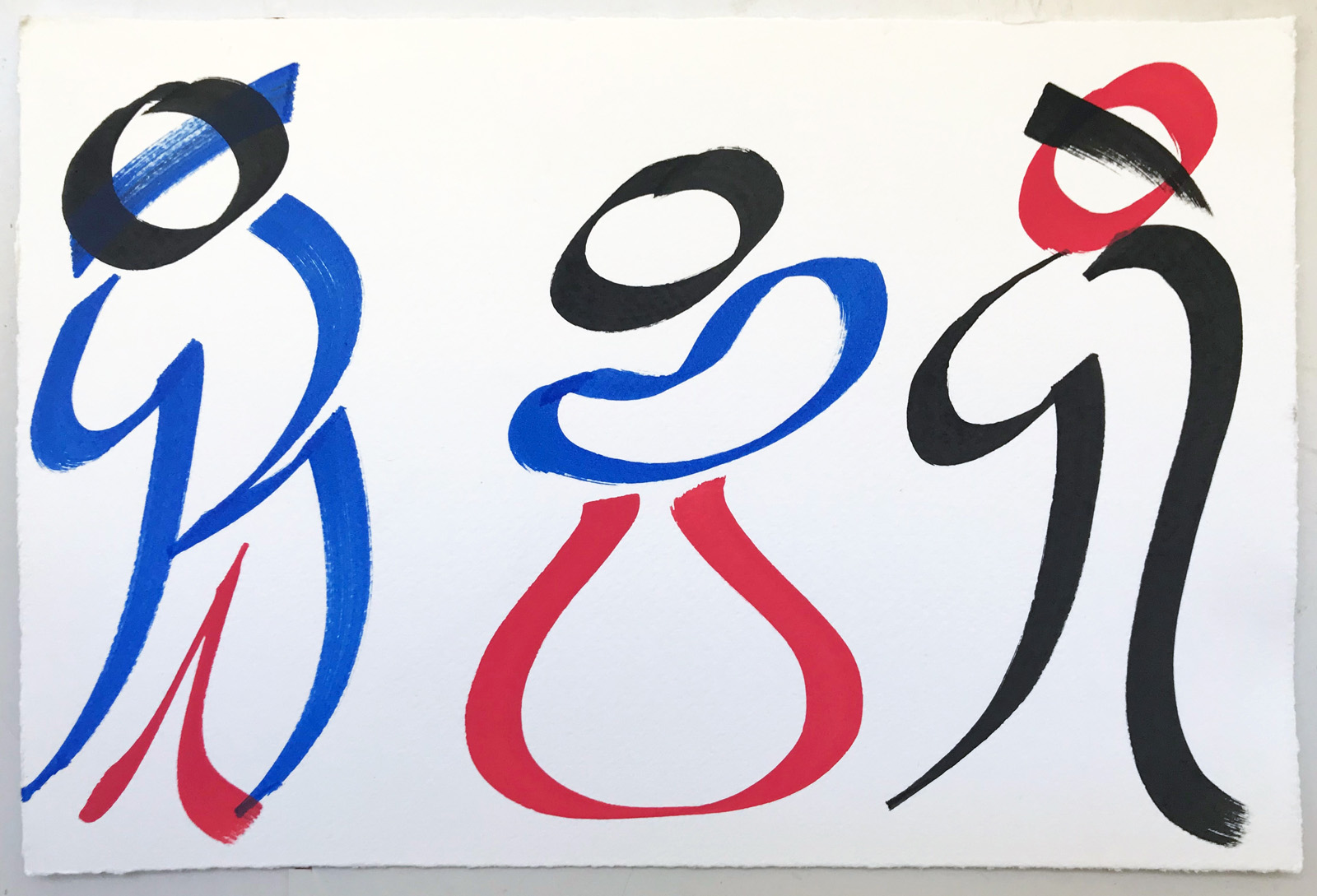
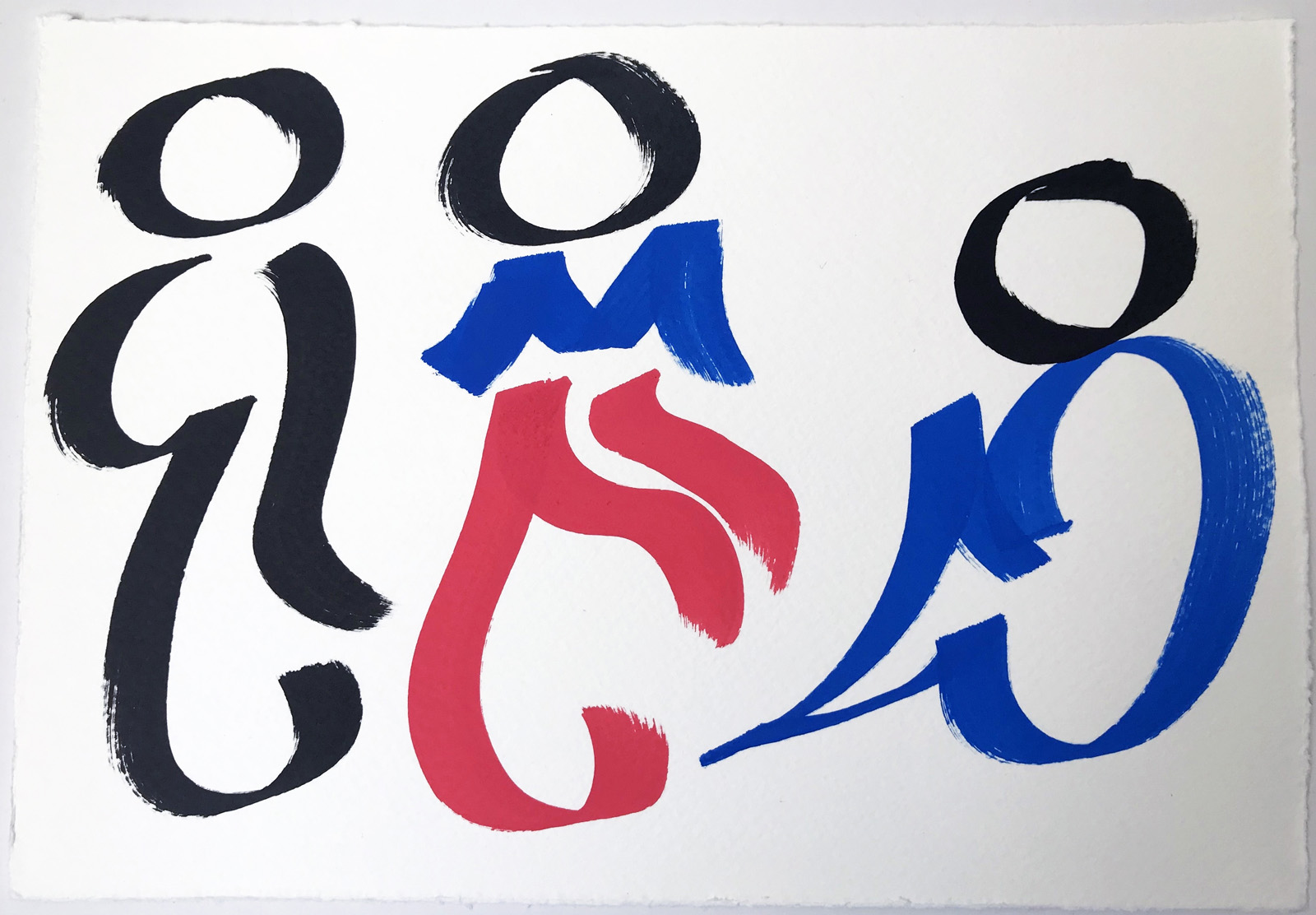
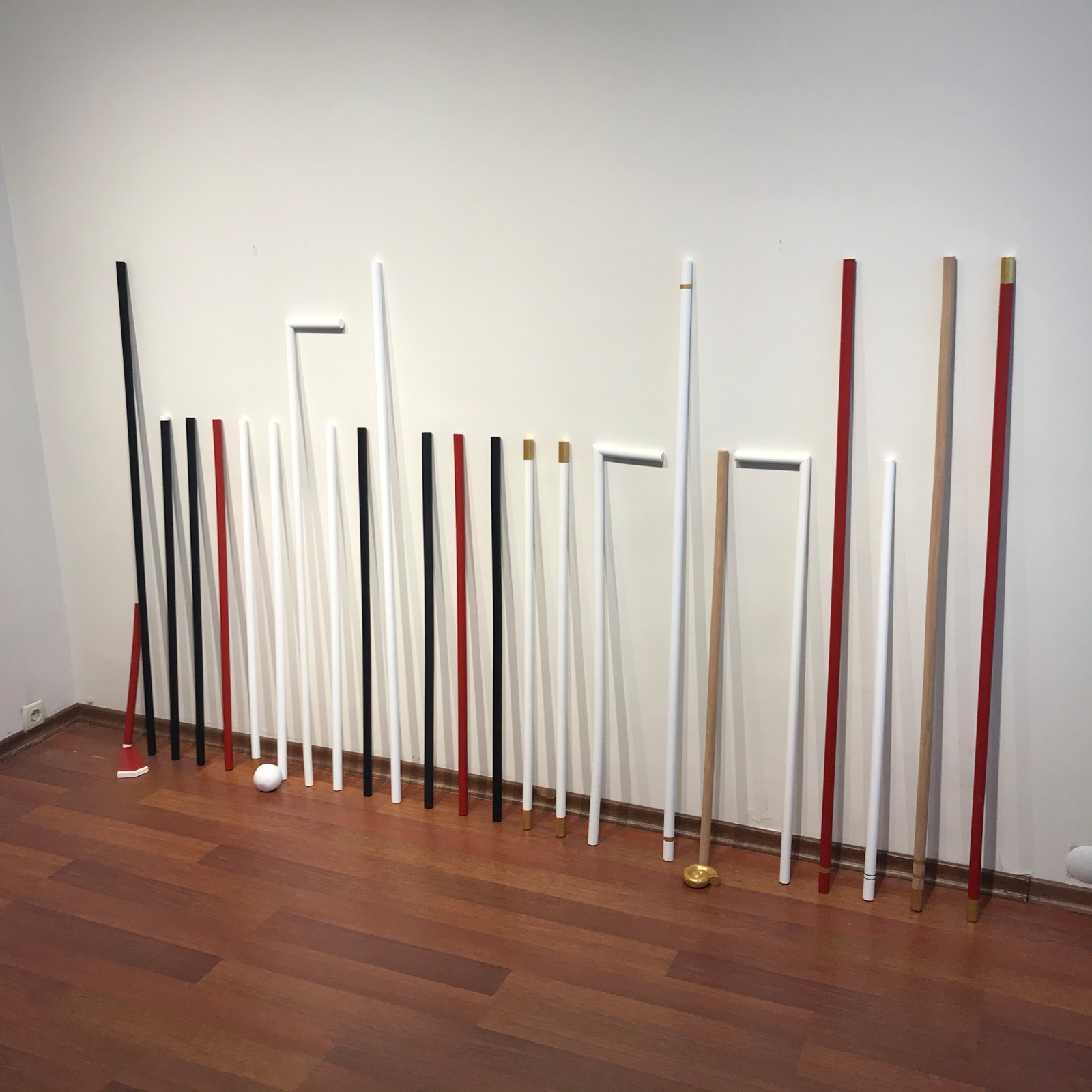
Progress of the Dervishes
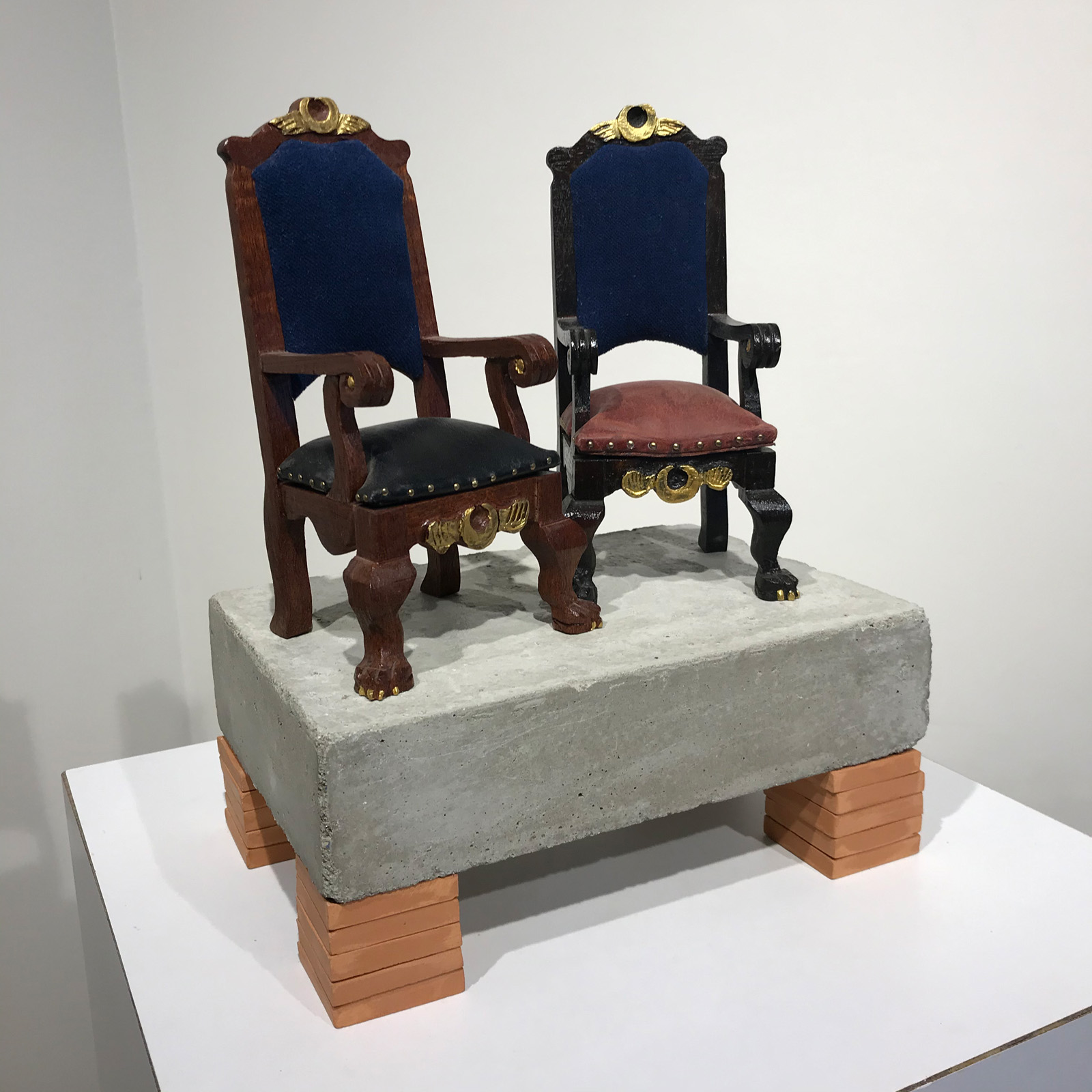
A Discussion
Rest (Mola)
Two People Under Candle Light
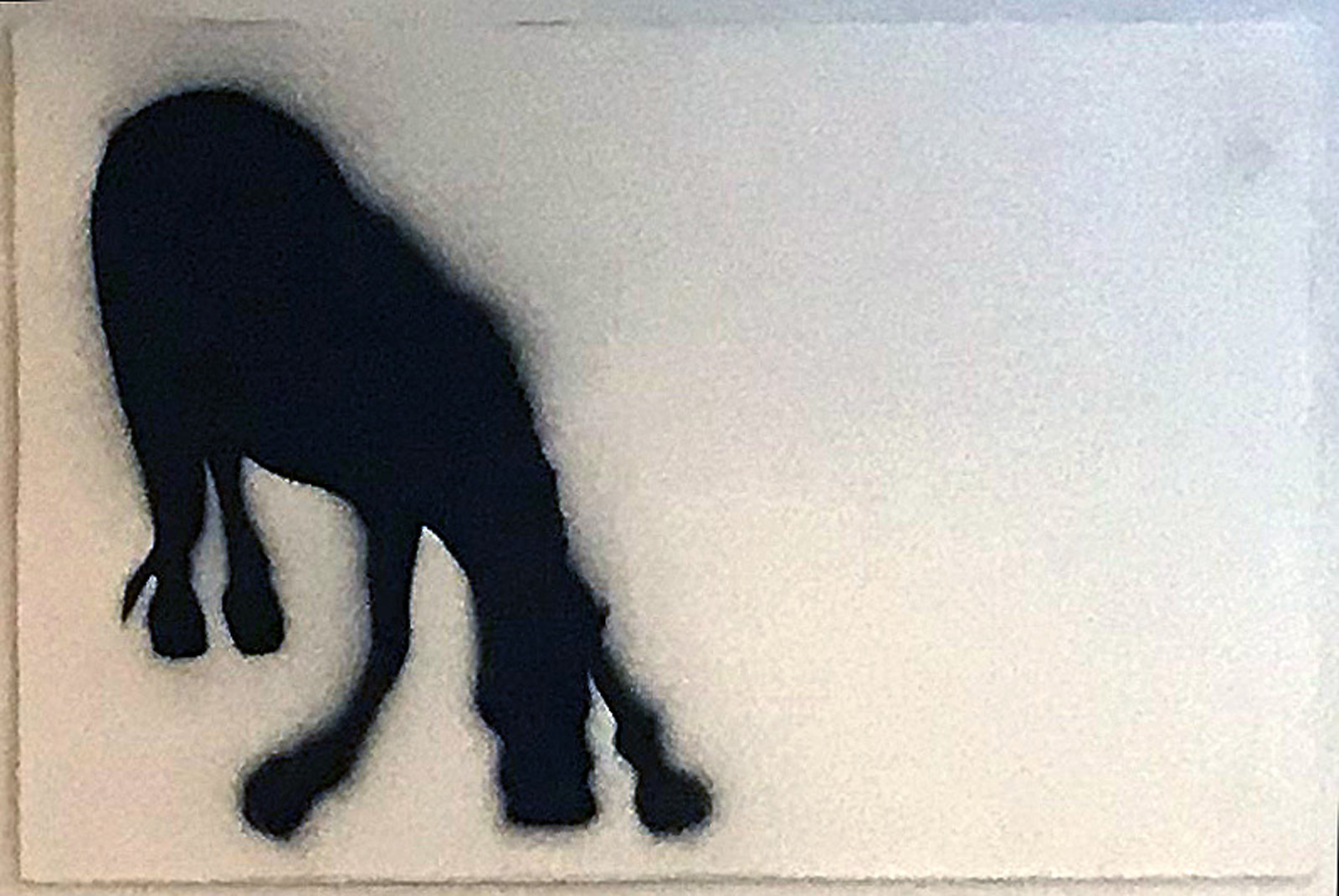
A Nomad Feeding Oats to His Horse
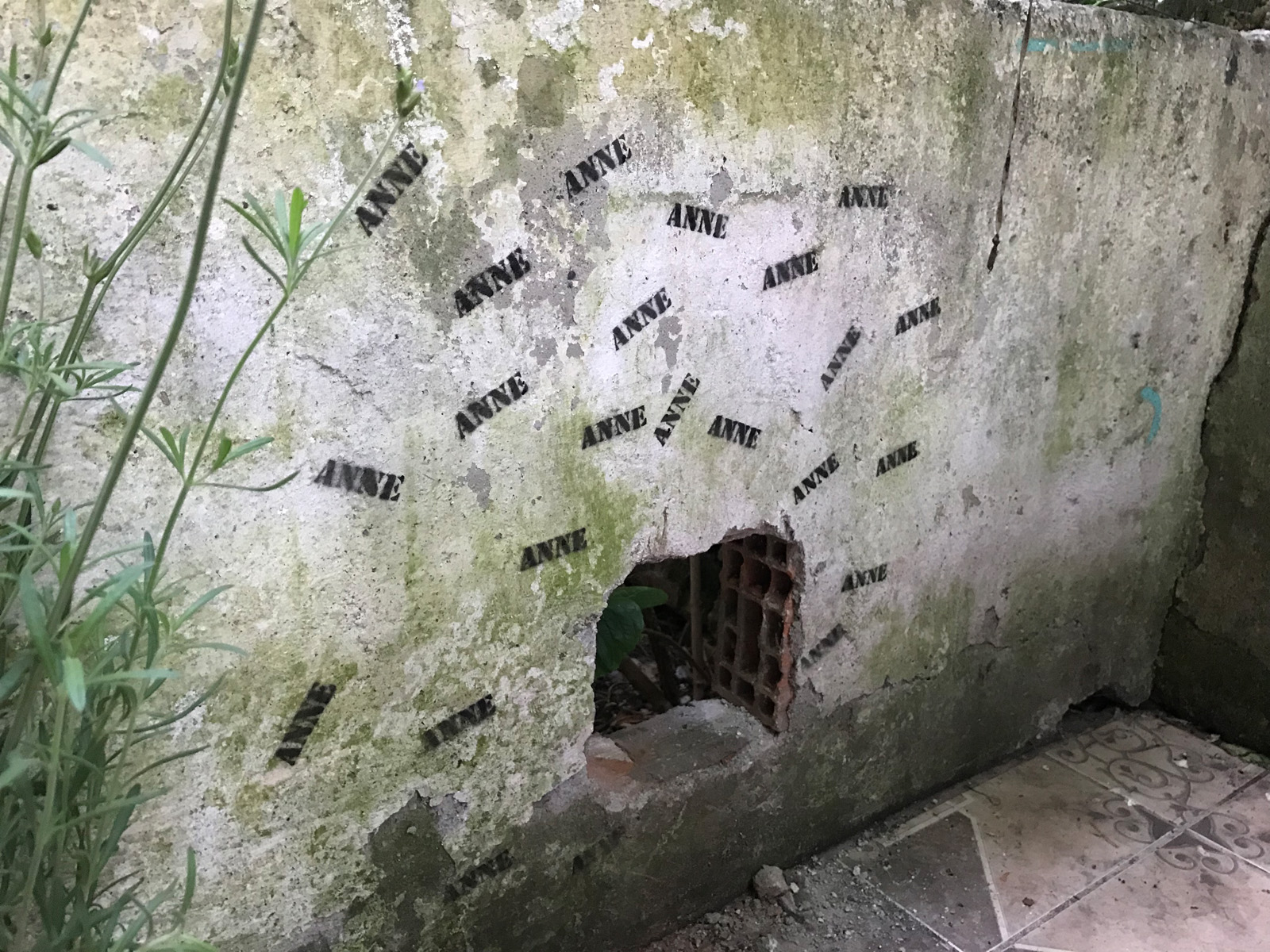
A Nomad Family
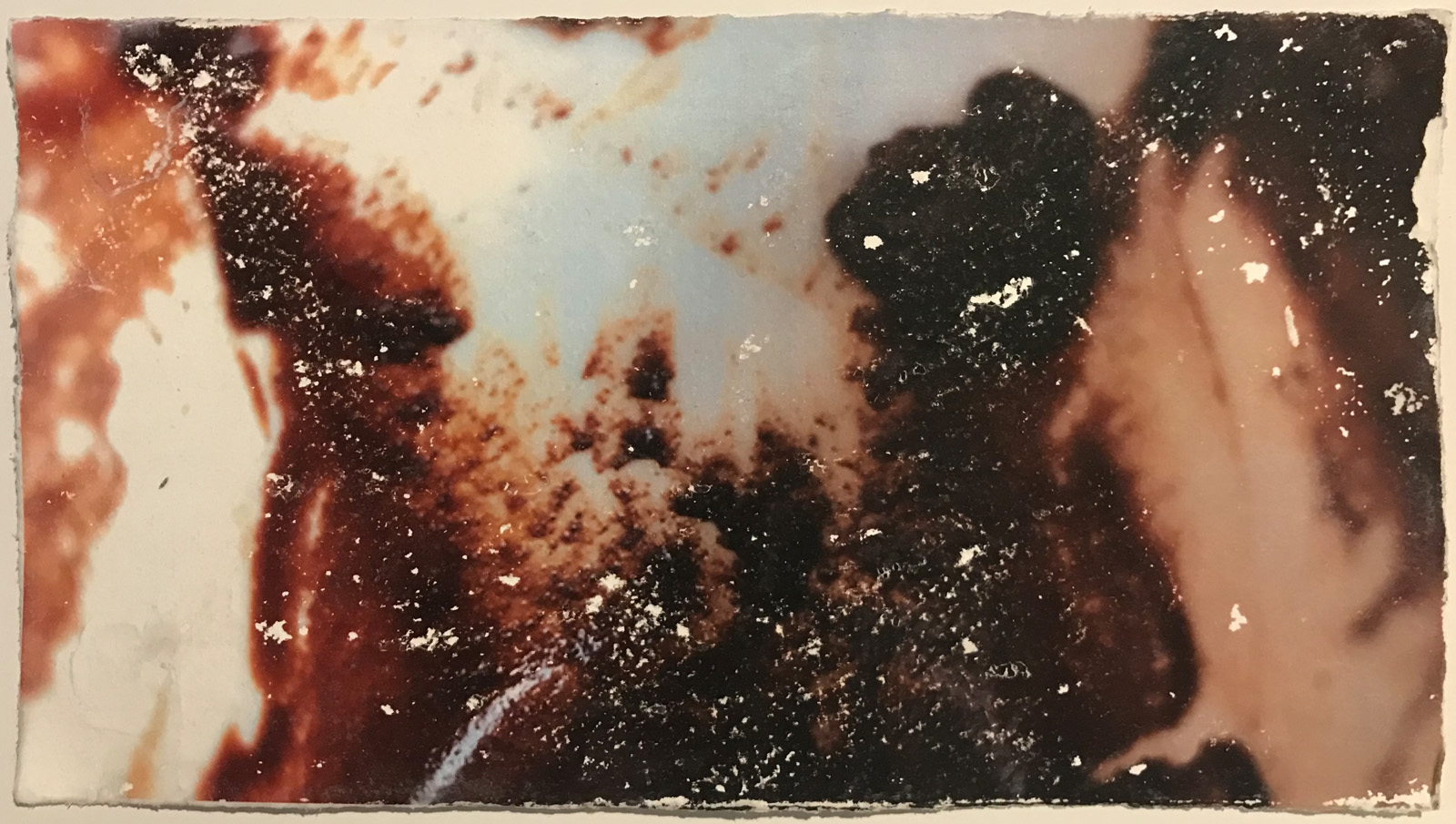
Fighting a Demon
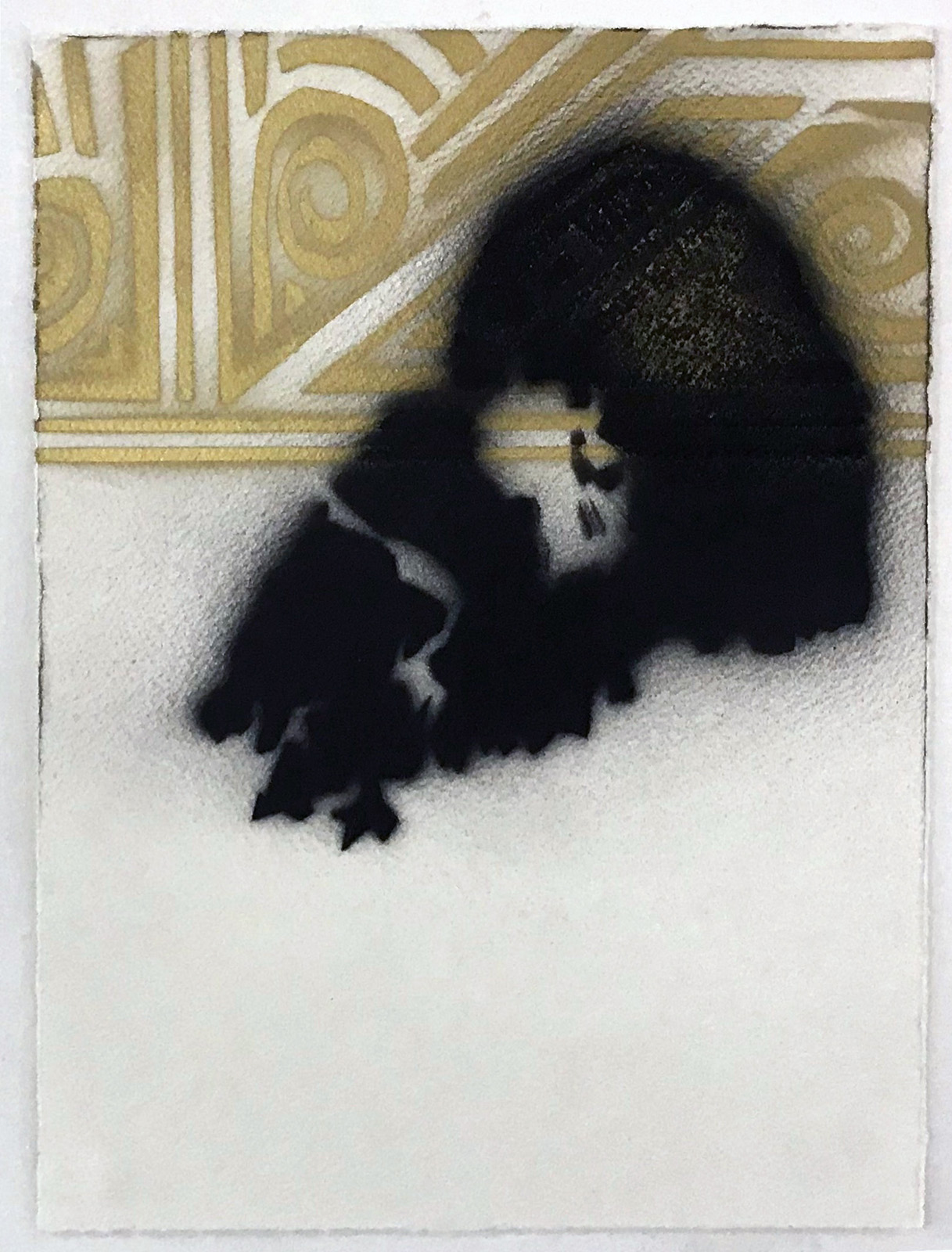
Man Carrying a Box
The Contractors
At the beginning of this text I stated that A Nomad's Tale consisted of responses to thirty-seven plates reproduced in Mazhar İpşiroğlu's book on Siyah Kalem. In truth, the first plate was not one of Siyah Kalem's observations from the Silk Road, but a full page from the Topkapı album itself. I chose to include it because it appeared at the beginning of the sequence and because it contained two demons that seemed to point towards another story.
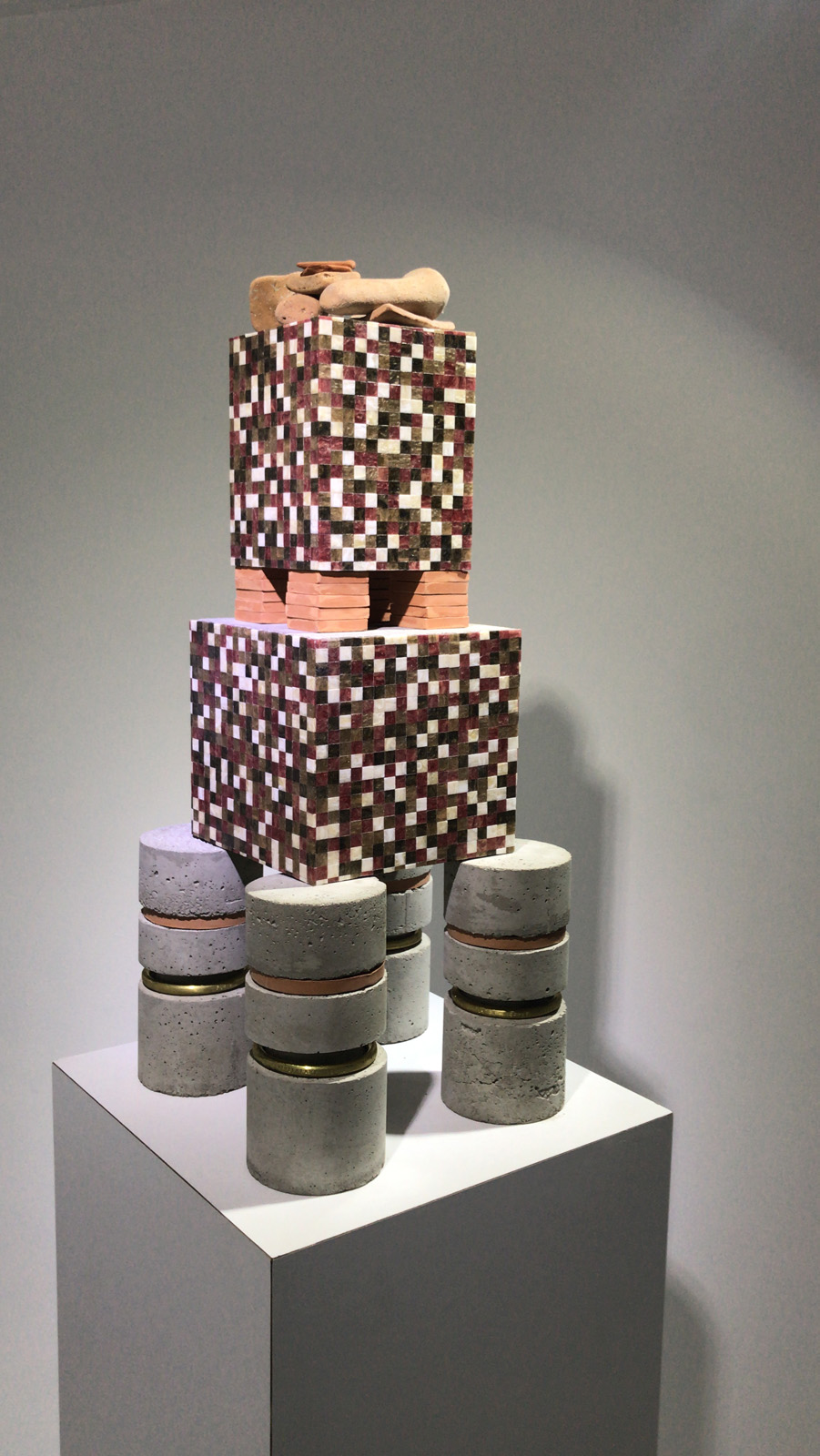
After my exhibition at Halka Sanat Projesi, I returned to this image and made two new sculptures. Concrete tower structures, one clad in red tiles and the other in blue, stood on concrete legs encircled by brass rings stamped with poems. I called these figures Laz Müteahhit (The Contractors).
These sculptures formed a bridge between A Nomad's Tale and the work that followed. Standing like guardians on either side of the entrance to Şeytan Tüyü, they marked the point at which my attention shifted from Siyah Kalem's observations of people along the Silk Road towards the demons that would come to occupy the centre of my later work.
Supported by